
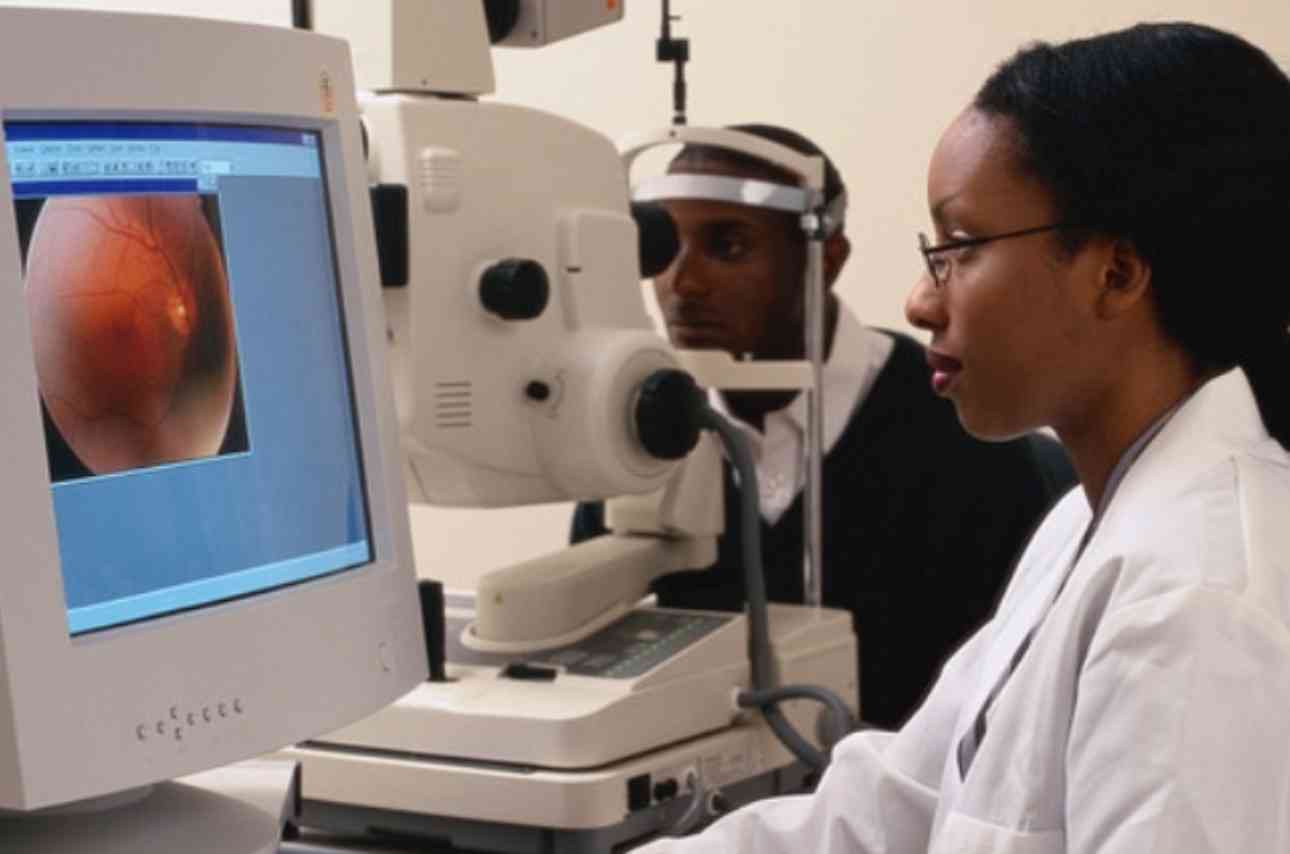
In Nigeria, the journey toward improved eye care has been both a struggle and a triumph. Picture this: millions of individuals, young and old, grappling with vision problems, their dreams and aspirations eclipsed by the shadow of preventable blindness. It’s a reality that pierces the heart, knowing that access to quality eye care has been a luxury for too many Nigerians.
But amidst the challenges, there shines a beacon of hope—a beacon fueled by innovation and unwavering determination. Enter the realm of retinal imaging, where technology meets compassion to revolutionize the way we see eye care.
In recent years, Nigeria has witnessed remarkable strides in the field of retinal imaging, with advancements that defy expectations and redefine possibilities. According to recent data, over 4 million Nigerians aged 40 and above are affected by diabetic retinopathy, a condition that threatens their vision and livelihoods. Additionally, glaucoma silently steals sight from approximately 1.02 million Nigerians, with many unaware of its presence until irreversible damage occurs.
But here’s where the narrative shifts. Thanks to innovative retinal imaging technologies, these statistics need not dictate our future. Imagine a world where early detection is not just a possibility but a reality, where individuals can receive timely interventions to safeguard their precious sight.
From the bustling streets of Lagos to the serene landscapes of Enugu, retinal imaging is bridging the gap between urban centers and remote villages, bringing life-changing eye care closer to those in need. With ultra-widefield imaging and optical coherence tomography (OCT) leading the charge, healthcare professionals now have the tools they need to peer into the depths of the eye with unparalleled clarity.
But it’s not just about the technology—it’s about the lives transformed, the stories rewritten. Picture a grandmother in Kano, her eyes alight with joy as she sees her grandchildren’s faces clearly for the first time in years. Or a young entrepreneur in Port Harcourt, whose dreams of building a brighter future are no longer clouded by the fear of vision loss.
Yes, the road ahead may be daunting, fraught with challenges and obstacles yet to be overcome. But with every scan, every diagnosis, and every life touched, we inch closer to a future where blindness is not a sentence but a memory—a testament to the power of innovation, compassion, and the human spirit.
Join us on this journey as we explore the transformative power of retinal imaging in Nigeria, where every click of the shutter brings us one step closer to a world where sight knows no boundaries, and hope shines brighter than ever before.
Understanding the Importance of Eye Health
Your eyes are not just windows to the world but also mirrors reflecting your overall health. From enjoying scenic views to navigating through daily tasks, good vision is indispensable. However, in Nigeria, access to quality eye care has been a challenge for many.
The Evolution of Retinal Imaging Technology
Imagine a camera capturing the intricate details of your eyes, revealing insights imperceptible to the naked eye. That’s the power of retinal imaging. Over the years, this technology has evolved exponentially, revolutionizing the way eye conditions are diagnosed and managed.
Breakthrough Innovations in Retinal Imaging
Thanks to relentless innovation, retinal imaging has witnessed groundbreaking advancements. From ultra-widefield imaging to optical coherence tomography (OCT), these innovations provide unprecedented clarity, enabling healthcare professionals to detect and monitor eye diseases with unparalleled precision.

Accessibility to Advanced Eye Care
In the past, accessing advanced eye care in Nigeria was a luxury reserved for a few. However, with the advent of innovative retinal imaging technologies, this paradigm is shifting. Now, individuals across the nation, regardless of their location or socioeconomic status, can avail themselves of cutting-edge eye care services.
Empowering Eye Care Professionals
Retinal imaging not only enhances the patient experience but also empowers eye care professionals. By providing comprehensive insights into ocular health, these tools enable clinicians to make informed decisions, leading to more accurate diagnoses and tailored treatment plans.
Enhancing Early Detection of Eye Diseases
Early detection is key to preventing vision loss and preserving ocular health. With advanced retinal imaging, healthcare providers can identify subtle changes in the retina long before symptoms manifest, facilitating timely intervention and mitigating the progression of potentially sight-threatening conditions.
Customized Treatment Plans
One size does not fit all when it comes to eye care. Retinal imaging allows for the customization of treatment plans based on individual patient needs. Whether it’s managing diabetic retinopathy or age-related macular degeneration, personalized approaches yield better outcomes and improved quality of life.
Addressing Challenges in Eye Care Access
Despite significant progress, challenges persist in ensuring equitable access to eye care services. Issues such as infrastructure limitations and resource constraints continue to hinder the reach of advanced retinal imaging technologies, particularly in rural areas.
Bridging the Gap: Urban vs. Rural Eye Care
Disparities in eye care access between urban and rural communities remain a pressing concern. While major cities boast state-of-the-art facilities, remote areas often lack even basic eye care services. Bridging this gap requires concerted efforts to decentralize resources and prioritize community-based initiatives.
Community Outreach and Education
Education is instrumental in fostering a culture of proactive eye care. Through community outreach programs and awareness campaigns, individuals can be empowered with knowledge about preventive measures, early warning signs, and the importance of regular eye examinations.
Collaborative Efforts for Sustainable Impact
Achieving lasting change in eye care requires collaboration across various stakeholders. From government agencies to non-profit organizations and private sector partners, collective action is essential to implement sustainable solutions that address systemic challenges and improve access to quality eye care for all Nigerians.
The Future Landscape of Eye Care in Nigeria
As technology continues to evolve and healthcare delivery models adapt, the future of eye care in Nigeria holds immense promise. By embracing innovation, fostering collaboration, and prioritizing inclusivity, we can pave the way for a future where every Nigerian enjoys the gift of sight.
Conclusion: Embracing a Visionary Tomorrow
In conclusion, the journey towards innovative advances in retinal imaging for enhanced eye care in Nigeria is not just a scientific endeavor; it’s a beacon of hope for millions. With approximately 4.25 million people suffering from blindness in Nigeria, according to the National Blindness and Visual Impairment Survey, the need for accessible and effective eye care solutions has never been more urgent.
The transformative power of retinal imaging cannot be overstated. By harnessing the latest technologies, such as ultra-widefield imaging and optical coherence tomography (OCT), eye care professionals can now delve into the depths of the retina with unprecedented clarity. These advancements enable early detection and precise diagnosis of sight-threatening conditions like diabetic retinopathy, glaucoma, and age-related macular degeneration.
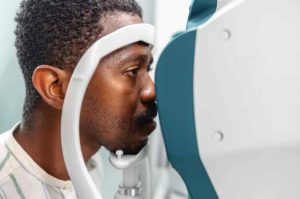
Moreover, the impact of these innovations extends far beyond clinical settings. They represent a lifeline for individuals and families grappling with the fear of vision loss. Imagine the relief of a diabetic patient, knowing that retinal imaging can detect signs of retinopathy before irreversible damage occurs. Picture the joy of an elderly individual, whose macular degeneration is caught early, preserving their independence and quality of life.
In Nigeria, where access to healthcare resources is often limited, these advancements are nothing short of revolutionary. They bridge the gap between urban centers and rural communities, bringing cutting-edge eye care services to the doorstep of those who need it most. They empower healthcare providers with tools to deliver personalized treatment plans, tailored to each patient’s unique needs.
As we look to the future, the potential of retinal imaging to transform eye care in Nigeria is boundless. With continued investment in research, infrastructure, and education, we can unlock new possibilities and pave the way for a brighter, healthier tomorrow. Together, let us champion innovation, advocate for equitable access, and ensure that every Nigerian has the opportunity to see the world through clear, unclouded eyes.
