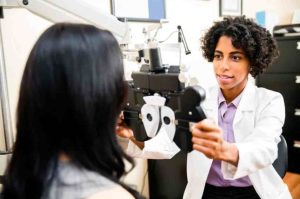
Early Detection of Diabetic Retinopathy Can Save Your Sight in Nigeria

Diabetic retinopathy (DR) is one of the leading causes of blindness among adults globally, particularly affecting those with long-standing diabetes. In Nigeria, where diabetes prevalence is on the rise, early detection and management of diabetic retinopathy are critical to preventing vision loss and improving quality of life. This article delves into the importance of early detection, the current state of diabetic retinopathy in Nigeria, and the strategies that can be employed to mitigate this growing public health concern.


Understanding Diabetic Retinopathy

Diabetic retinopathy is a diabetes complication that affects the eyes. It occurs when high blood sugar levels cause damage to blood vessels in the retina, the light-sensitive tissue at the back of the eye. These blood vessels can swell, leak, or close, leading to impaired vision and potentially blindness if not treated timely.
Learn about the diagnosis, detection, and treatment of corneal ectasia in Nigeria. This comprehensive guide provides valuable information on identifying and managing this condition effectively.

The Prevalence of Diabetic Retinopathy in Nigeria

The prevalence of diabetic retinopathy in Nigeria is alarmingly high. A systematic review and meta-analysis found that the pooled prevalence of diabetic retinopathy in Nigeria was 21.3%. This indicates that nearly one in five individuals with diabetes is affected by this condition. The increasing prevalence of diabetes, combined with limited access to healthcare, exacerbates the risk of untreated diabetic retinopathy leading to vision loss.


Risk Factors for Diabetic Retinopathy

Several risk factors contribute to the development and progression of diabetic retinopathy. In Nigeria, the most common risk factors include:

  1. Duration of Diabetes: The longer a person has diabetes, the higher the risk of developing diabetic retinopathy.
  2. Poor Glycemic Control: Uncontrolled blood sugar levels significantly increase the risk of retinal damage.
  3. Hypertension: High blood pressure exacerbates the damage to blood vessels in the retina.
  4. Lack of Regular Eye Examinations: Many individuals with diabetes in Nigeria do not undergo regular eye screenings, leading to late diagnosis and treatment.

By monitoring the health of your eyes through regular eye exams, you can ensure that any signs of diabetic retinopathy are addressed promptly. This proactive approach can help in preserving your vision and overall eye health.

Importance of Early Detection

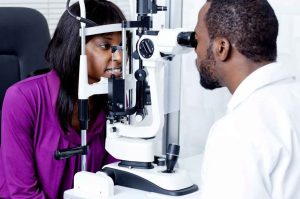
Early detection of diabetic retinopathy is crucial for preventing vision loss. Regular eye examinations can identify the condition in its early stages, allowing for timely intervention. Early treatment can slow or even halt the progression of the disease, preserving vision and improving quality of life.


Screening and Diagnostic Methods

Several screening and diagnostic methods are available to detect diabetic retinopathy:

  1. Dilated Eye Exam: An ophthalmologist dilates the pupil to examine the retina and identify any signs of damage.
  2. Fundus Photography: High-resolution images of the retina are taken to detect abnormalities.
  3. Optical Coherence Tomography (OCT): This imaging technique provides detailed cross-sectional images of the retina, allowing for early detection of diabetic retinopathy.
Prescription Eyewear

Strengthening Diabetic Retinopathy Services in Nigeria

Efforts are underway to strengthen diabetic retinopathy services in Nigeria. The DR-NET initiative aims to improve the screening and management of diabetic retinopathy from grassroots to national policy development [2]. This initiative focuses on training healthcare professionals, raising awareness, and implementing screening programs to reach underserved populations.


Case Study: Lagos University Teaching Hospital (LUTH)

Lagos University Teaching Hospital (LUTH) has been at the forefront of diabetic retinopathy screening and treatment in Nigeria. Through their dedicated DR clinic, LUTH provides comprehensive eye care services, including regular screenings, patient education, and advanced treatment options such as laser therapy and intravitreal injections. This model of care demonstrates the effectiveness of integrating diabetic retinopathy services into existing healthcare frameworks.


Challenges in Early Detection and Management

Despite the progress, several challenges hinder the early detection and management of diabetic retinopathy in Nigeria:

  1. Limited Access to Healthcare: Many rural areas lack adequate healthcare facilities and trained personnel to conduct regular eye screenings.
  2. Cost of Treatment: The cost of diagnostic tests and treatments can be prohibitive for many patients.
  3. Lack of Awareness: There is a general lack of awareness about diabetic retinopathy and the importance of regular eye examinations among the population.


Strategies for Improvement

To overcome these challenges, several strategies can be implemented:

  1. Public Awareness Campaigns: Educating the public about the risks of diabetic retinopathy and the importance of regular eye exams can encourage more people to seek early detection and treatment.
  2. Training Healthcare Professionals: Increasing the number of trained ophthalmologists and optometrists in rural areas can improve access to care.
  3. Government and NGO Partnerships: Collaboration between the government and non-governmental organizations can enhance the reach and effectiveness of screening programs.
  4. Subsidized Healthcare Services: Providing subsidized or free eye care services for diabetic patients can reduce the financial burden and encourage regular screenings.

Learn about the importance of protecting your eyes while using digital devices in Nigeria and discover practical tips and techniques to reduce eye strain and promote eye health in the digital age.

The Role of Technology in Early Detection

Advancements in technology can play a significant role in the early detection of diabetic retinopathy. Mobile health (mHealth) solutions, such as smartphone-based retinal imaging and telemedicine, can bring screening services to remote areas. These technologies enable healthcare providers to conduct screenings and consultations virtually, reducing the need for patients to travel long distances.


Real-Time Example: Telemedicine in Rural Nigeria

In rural Nigeria, telemedicine has shown promise in improving access to diabetic retinopathy screening. Through partnerships with local health centers, telemedicine programs provide retinal imaging services that are reviewed by specialists remotely. This approach not only increases the reach of screening programs but also ensures timely diagnosis and referral for treatment.

Telehealth is transforming the way patients access eye care by providing convenient and accessible virtual appointments. Discover how this technology is revolutionizing eye care accessibility and improving patient outcomes.

Global Perspectives and Best Practices

Learning from global perspectives can help improve diabetic retinopathy services in Nigeria. Countries like the UK and India have implemented successful screening programs that can serve as models. For instance, the UK’s National Health Service (NHS) Diabetic Eye Screening Program has achieved significant success in reducing the incidence of severe diabetic retinopathy through systematic screening and timely treatment.


Future Directions

The future of diabetic retinopathy management in Nigeria lies in integrating comprehensive eye care services into the primary healthcare system. By leveraging technology, enhancing public-private partnerships, and focusing on capacity building, Nigeria can develop a sustainable model for early detection and treatment of diabetic retinopathy.


Conclusion

Early detection of diabetic retinopathy is crucial to saving sight and improving the quality of life for individuals with diabetes in Nigeria. While challenges exist, concerted efforts by the government, healthcare providers, and communities can significantly improve the landscape of diabetic retinopathy care. By raising awareness, increasing access to screenings, and leveraging technology, Nigeria can reduce the burden of diabetic retinopathy and ensure a brighter future for its citizens.
Read more

The Ultimate Guide to Eye Health Coverage by HMOs in Nigeria

In Nigeria, the focus on eye health has often been overshadowed by the pressing demands of infectious diseases and general healthcare challenges. However, a gradual but significant shift is occurring as Health Maintenance Organizations (HMOs) increasingly recognize the importance of vision care. The integration of eye health benefits into HMO packages represents a pivotal change that addresses both immediate and long-term healthcare needs of Nigerians.

The Importance of Eye Health

Vision is a critical aspect of overall health and well-being. The World Health Organization (WHO) estimates that over 2.2 billion people globally have a vision impairment or blindness, with at least one billion cases being preventable or treatable. In Nigeria, the situation is similarly dire. According to the Nigerian National Blindness and Visual Impairment Survey, approximately 4.25 million adults aged 40 years and above are visually impaired, with 1.13 million being blind.

Unaddressed vision problems can lead to severe consequences, including reduced quality of life, loss of productivity, and increased healthcare costs. For children, poor vision can impair learning and development, potentially limiting future opportunities. For adults, especially the elderly, it can lead to accidents, social isolation, and an overall decline in health. Thus, the emphasis on eye health is not just a medical necessity but a socio-economic imperative.

By monitoring the health of your eyes through regular eye exams, you can ensure that any signs of diabetic retinopathy are addressed promptly. This proactive approach can help in preserving your vision and overall eye health.

The Role of HMOs in Nigerian Healthcare

Health Maintenance Organizations (HMOs) are pivotal in the Nigerian healthcare system. They provide a structured way for individuals and employers to access health services through prepaid plans. HMOs manage healthcare financing and delivery, ensuring that members receive necessary medical services without facing prohibitive costs at the point of care.

Historically, HMO packages in Nigeria have focused on general health services, such as consultations, hospitalizations, maternal and child care, and treatments for common diseases. However, recognizing the critical need for comprehensive eye care, several HMOs are now expanding their coverage to include eye health benefits.

Integrating Eye Health into HMO Packages

The inclusion of eye health benefits in HMO packages marks a significant advancement in Nigerian healthcare. This integration involves offering routine eye exams, treatment for common eye conditions, and even surgical procedures when necessary. Here’s how some HMOs in Nigeria are prioritizing eye health:

  1. Routine Eye Exams and Screenings: Regular eye exams are essential for early detection and treatment of vision problems. HMOs are increasingly covering annual or biennial comprehensive eye exams, which help identify conditions such as glaucoma, cataracts, diabetic retinopathy, and refractive errors. For instance, AXA Mansard Health, one of Nigeria’s leading HMOs, includes routine eye checks in their health plans, recognizing the need for proactive eye care.
  2. Treatment of Common Eye Conditions: Conditions like conjunctivitis, dry eyes, and minor eye infections are common and can significantly impact daily life. HMOs are now covering treatments for these ailments, ensuring that members can access necessary medications and consultations without financial strain. This approach helps in managing eye health effectively and prevents complications from untreated conditions.
  3. Surgical Interventions: For more severe conditions such as cataracts and glaucoma, surgical intervention is often required. Some Nigerian HMOs have begun to cover these procedures, either partially or fully, within their premium plans. Hygeia HMO, for example, offers coverage for cataract surgery, which is a leading cause of blindness in Nigeria. By doing so, they provide a lifeline to those who might otherwise forego such necessary interventions due to cost constraints.
  4. Specialist Referrals and Partnerships: Collaborations with eye care specialists and clinics are crucial for providing comprehensive eye health services. HMOs are forming partnerships with renowned eye hospitals and specialists to ensure that their members receive high-quality care. For example, Leadway Health HMO partners with specialized eye clinics to facilitate access to expert care for complex eye conditions.
  5. Education and Awareness Campaigns: Prevention and early intervention are key components of eye health. HMOs are increasingly engaging in educational campaigns to raise awareness about the importance of regular eye check-ups and protective measures. These initiatives are vital in a country where access to health information can be limited, and misconceptions about eye health abound.

Prescription Eyewear

Impact on Public Health and Society

The prioritization of eye health by HMOs has far-reaching implications for public health and society. By ensuring that members have access to eye care services, HMOs are contributing to:

  1. Reduced Burden of Blindness and Visual Impairment: Early detection and treatment of eye conditions can significantly reduce the prevalence of blindness and visual impairment. This has a direct impact on individuals’ quality of life and their ability to contribute productively to society.
  2. Improved Quality of Life: Good vision is integral to daily living and overall well-being. By facilitating access to eye care, HMOs help individuals maintain their independence, engage in social activities, and perform tasks that require clear vision, from reading to driving.
  3. Economic Benefits: The economic impact of unaddressed vision problems is substantial. Individuals with vision impairment often experience reduced productivity and higher healthcare costs. By covering eye health services, HMOs help mitigate these economic burdens, leading to a healthier, more productive workforce.
  4. Enhanced Educational Outcomes: For children, clear vision is essential for learning. By including pediatric eye exams and treatments in their plans, HMOs support better educational outcomes. This investment in eye health is an investment in the future, as children with good vision are more likely to succeed academically and pursue higher education and employment opportunities.
  5. Reduced Healthcare Costs: Preventive eye care can lead to early detection of systemic diseases such as diabetes and hypertension, which have ocular manifestations. By identifying these conditions early, overall healthcare costs can be reduced through timely intervention and management.

By monitoring the health of your eyes through regular eye exams, you can ensure that any signs of diabetic retinopathy are addressed promptly. This proactive approach can help in preserving your vision and overall eye health.

Challenges and Future Directions

While the integration of eye health benefits into HMO packages is a positive development, several challenges remain. These include:

  1. Awareness and Utilization: Despite the availability of eye care benefits, not all HMO members utilize these services. There is a need for continued education and outreach to ensure that members understand and take advantage of their benefits.
  2. Access and Infrastructure: In rural and underserved areas, access to quality eye care remains a challenge. HMOs must work towards improving the distribution of services and partnering with local providers to reach these populations.
  3. Cost Management: The cost of advanced eye care services, such as surgeries and specialized treatments, can be high. HMOs need to balance offering comprehensive benefits with maintaining affordability for their members.
  4. Data and Research: There is a need for more robust data on the impact of eye health benefits within HMO plans. Research and data collection can help in assessing the effectiveness of these benefits and guiding future improvements.

Learn about the diagnosis, detection, and treatment of corneal ectasia in Nigeria. This comprehensive guide provides valuable information on identifying and managing this condition effectively.

Conclusion

The prioritization of eye health by HMOs in Nigeria is a significant step towards improving the overall health and well-being of the population. By integrating comprehensive eye care services into their packages, HMOs are addressing a critical aspect of healthcare that has long been neglected. This move not only enhances the quality of life for individuals but also contributes to broader socio-economic benefits.

As HMOs continue to evolve and expand their offerings, the focus on eye health should remain a priority. With ongoing efforts to raise awareness, improve access, and manage costs, the future of eye health in Nigeria looks promising. This shift reflects a growing recognition that vision care is not a luxury but a necessity, integral to achieving a healthier, more productive society.

Read more

The Ultimate Guide to Eye Care in Lagos, Nigeria

With the hustle and bustle of everyday life in Lagos, it can be easy to overlook the importance of caring for your eyes. However, maintaining healthy vision is essential for overall well-being and quality of life. In this ultimate guide, we will explore how to find the best eye specialist in Lagos, common eye conditions in Nigeria, tips for maintaining healthy vision, the importance of regular eye exams, and the various eye care services available in the bustling city. Let’s delve into the world of eye care in Lagos and discover how you can prioritize your vision health.

By monitoring the health of your eyes through regular eye exams, you can ensure that any signs of diabetic retinopathy are addressed promptly. This proactive approach can help in preserving your vision and overall eye health.

Finding the Best Eye Specialist in Lagos

Researching online reviews and recommendations can help narrow down the search for a reputable eye specialist in Lagos.

Asking for referrals from family and friends who have received eye care in Lagos can also lead to finding a reliable eye specialist.

Checking the qualifications and experience of a potential eye specialist is essential to ensure quality care.

Common Eye Conditions in Nigeria

– Cataracts and glaucoma are among the most prevalent eye conditions in Nigeria, affecting a large portion of the population.

– Refractive errors such as myopia and hyperopia are also common eye conditions that can be corrected with glasses or contact lenses.

– Regular eye check-ups can help detect and manage common eye conditions early to prevent vision loss.

Prescription Eyewear

Tips for Maintaining Healthy Vision

Eating a balanced diet rich in vitamins and nutrients, such as leafy greens and fish high in omega-3 fatty acids, can promote eye health.

Protecting your eyes from harmful UV rays by wearing sunglasses outdoors and taking breaks from screen time can help prevent eye strain and damage.

Avoiding smoking and maintaining a healthy lifestyle, including regular exercise, can contribute to overall eye health and well-being.

Importance of Regular Eye Exams

Regular eye exams are crucial for detecting vision problems early, allowing for timely intervention and treatment to prevent further complications.

Eye exams can also help monitor eye conditions such as glaucoma and diabetic retinopathy, which may not present noticeable symptoms in the early stages.

Children should have their first eye exam at six months of age, followed by regular check-ups to ensure healthy vision development.

Eye Care Services Available in Lagos

Lagos offers a range of eye care services to meet the diverse needs of its residents. Whether you need a comprehensive eye exam, prescription eyewear fittings, or treatment for specific eye conditions, Lagos has you covered.

  • Comprehensive Eye Exams: Eye care facilities in Lagos provide thorough eye exams to evaluate your vision and overall eye health. These exams can detect vision problems early and help monitor existing eye conditions.
  • Prescription Eyewear Fittings: If you require glasses or contact lenses, experienced professionals in Lagos can assist you in finding the right prescription eyewear for your needs.
  • Treatment for Eye Conditions: From cataracts and glaucoma to dry eyes and other eye conditions, Lagos offers treatment options to address various eye health issues.
  • LASIK Surgery: For those seeking vision correction without the need for glasses or contact lenses, specialized services like LASIK surgery are available in Lagos.
  • Pediatric Eye Care: Children’s eye health is also a priority in Lagos, with specialized services tailored to meet the unique needs of young patients.

Eye care facilities in Lagos are equipped with advanced technology and staffed by experienced eye care professionals to provide quality and personalized care to all patients.

By monitoring the health of your eyes through regular eye exams, you can ensure that any signs of diabetic retinopathy are addressed promptly. This proactive approach can help in preserving your vision and overall eye health.

Conclusion

In conclusion, taking care of your eyes is essential for maintaining good vision and overall well-being. By finding the best eye specialist in Lagos, staying informed about common eye conditions in Nigeria, following tips for maintaining healthy vision, scheduling regular eye exams, and utilizing the available eye care services in Lagos, you can ensure optimal eye health for yourself and your family. Remember, your eyes are precious, so make sure to prioritize their care and seek professional help when needed. Here’s to healthy eyes and clear vision in Lagos, Nigeria!

Read more

Navigating the Challenges of Diabetic Retinopathy in Nigeria

Diabetic retinopathy is a serious complication of diabetes that affects the eyes and can lead to vision loss. Understanding this condition and knowing how to navigate its challenges is crucial for maintaining eye health. In Nigeria, where diabetes is a growing concern, it’s important to be aware of the risk factors, preventative measures, and treatment options available for diabetic retinopathy. This blog post will delve into the complexities of diabetic eye disease and provide valuable insights on how to manage it effectively.

Understanding Diabetic Retinopathy

Diabetic retinopathy is a complication of diabetes that affects the eyes and can lead to vision loss. It is caused by damage to the blood vessels in the retina due to high blood sugar levels. Early detection and management are crucial in preventing irreversible vision loss.


Risk Factors for Diabetic Eye Disease

Several factors can increase the risk of developing the condition:

  • Poor Blood Sugar Control: High blood sugar levels can damage the blood vessels in the retina.
  • High Blood Pressure: Hypertension can worsen diabetic eye disease.
  • High Cholesterol: Elevated cholesterol levels increase the risk of eye complications.
  • Smoking: Tobacco use can aggravate diabetic retinopathy.
  • Duration of Diabetes: Having diabetes for an extended period increases the likelihood of developing diabetic eye disease.

Preventative Measures for Diabetic Retinopathy

Preventing diabetic retinopathy involves taking proactive steps to manage your diabetes and overall health. Here are some essential preventative measures:

  • Maintain Healthy Blood Sugar Levels: Keeping your blood sugar levels within the target range recommended by your healthcare provider through a balanced diet, regular exercise, and medication can help prevent diabetic retinopathy.
  • Regular Eye Exams: Schedule regular eye exams with an eye care specialist, such as the Eye Care Center in Lekki, to monitor any changes in your eyes and detecting it early.
  • Manage Other Health Conditions: Controlling high blood pressure and cholesterol levels can also reduce the risk of diabetic eye disease. Follow your healthcare provider’s recommendations for managing these conditions.

By taking these preventative measures and staying proactive about your eye health, you can reduce the risk of developing diabetic retinopathy and prevent vision loss.

By monitoring the health of your eyes through regular eye exams, you can ensure that any signs of diabetic retinopathy are addressed promptly. This proactive approach can help in preserving your vision and overall eye health.

Impact of Diabetes on Eye Health

Diabetic retinopathy is a serious complication of diabetes that can have a significant impact on eye health. It occurs when high blood sugar levels damage the blood vessels in the retina, leading to vision problems and potential vision loss. Individuals with diabetes need to be aware of the risks associated with diabetic retinopathy and take proactive steps to protect their eye health.

Regular eye exams at the Eye Care Center in Lekki play a crucial role in detecting diabetic retinopathy early. By monitoring the health of the eyes and identifying any changes or abnormalities, healthcare professionals can provide timely treatment to prevent further damage and preserve vision.

It is important for individuals with diabetes to prioritize their eye health and seek regular care from specialists who understand the unique challenges of diabetic retinopathy. By staying informed, proactive, and diligent in their eye care routine, individuals can take control of their eye health and minimize the impact of diabetes on their vision.

Treatment Options for Diabetic Retinopathy

Early detection and treatment are key in preventing vision loss due to diabetic retinopathy. Here are some common treatment options:

  • Medication: Medications may be prescribed to help manage the condition and reduce swelling in the retina.
  • Laser Treatment: Laser treatment can be used to seal leaking blood vessels and prevent the growth of abnormal blood vessels in the retina.
  • Vitrectomy: In more advanced cases, a surgical procedure called vitrectomy may be necessary to remove blood from the center of the eye.

It is important to consult with your eye care specialist to determine the most appropriate treatment plan for your specific condition.

Importance of Regular Eye Exams

Regular eye exams play a crucial role in the early detection and management of diabetic retinopathy. These exams can help identify any changes in the eyes caused by diabetes, allowing for prompt intervention to prevent vision loss.

By monitoring the health of your eyes through regular eye exams, you can ensure that any signs of diabetic retinopathy are addressed promptly. This proactive approach can help in preserving your vision and overall eye health.

Remember, early detection is key in managing diabetic retinopathy, so schedule your regular eye exams to protect your eyesight and well-being.

By monitoring the health of your eyes through regular eye exams, you can ensure that any signs of diabetic retinopathy are addressed promptly. This proactive approach can help in preserving your vision and overall eye health.

Community Resources for Eye Care

For residents of Lekki looking for quality eye care facilities, there are several options available to address diabetic retinopathy and other eye conditions.

Available Eye Care Facilities:

  • Lekki Eye Hospital: Known for its expertise in treating diabetic retinopathy and other eye diseases.
  • Lekki Eye Clinic: Offers comprehensive eye care services including diabetic eye examinations.
  • Lekki Vision Center: Specializes in advanced treatments for diabetic retinopathy.
  • Eyelanders: a leading professional eye care service, offering comprehensive eye care.

Affordable Treatment Options:

Many eye care facilities in Lekki provide affordable treatment options, ensuring access to quality care for all individuals.

Support Groups:

Support groups specifically for individuals with diabetic eye conditions, providing a space for sharing experiences and resources.

Educational Workshops:

Attend educational workshops focused on managing diabetic retinopathy and improving eye health in the community.

By monitoring the health of your eyes through regular eye exams, you can ensure that any signs of diabetic retinopathy are addressed promptly. This proactive approach can help in preserving your vision and overall eye health.

Supporting Loved Ones with Diabetic Eye Disease

It is important to be aware of the symptoms of diabetic retinopathy in order to provide early intervention for your loved ones. Encourage them to schedule regular eye exams at a trusted Eye Care Center to monitor and manage their condition effectively.

Offering emotional support and understanding during their treatment journey can make a significant difference. Let them know that they are not alone in dealing with diabetic eye disease and that you are there to support them every step of the way.

Conclusion

In conclusion, diabetic retinopathy is a serious complication of diabetes that can lead to vision loss if not managed properly. It is crucial for individuals with diabetes to prioritize their eye health by maintaining healthy blood sugar levels, getting regular eye exams, and seeking treatment at specialized facilities. By taking preventative measures, understanding the risk factors, and seeking early intervention, individuals can protect their vision and overall well-being. Remember, early detection is key in managing the condition and preventing irreversible vision loss. Stay proactive about your eye health and seek the necessary support and resources available in the community for optimal care.

Read more

Revolutionizing Eye Care: Innovative Retinal Imaging in Nigeria

In Nigeria, the journey toward improved eye care has been both a struggle and a triumph. Picture this: millions of individuals, young and old, grappling with vision problems, their dreams and aspirations eclipsed by the shadow of preventable blindness. It’s a reality that pierces the heart, knowing that access to quality eye care has been a luxury for too many Nigerians.

But amidst the challenges, there shines a beacon of hope—a beacon fueled by innovation and unwavering determination. Enter the realm of retinal imaging, where technology meets compassion to revolutionize the way we see eye care.

In recent years, Nigeria has witnessed remarkable strides in the field of retinal imaging, with advancements that defy expectations and redefine possibilities. According to recent data, over 4 million Nigerians aged 40 and above are affected by diabetic retinopathy, a condition that threatens their vision and livelihoods. Additionally, glaucoma silently steals sight from approximately 1.02 million Nigerians, with many unaware of its presence until irreversible damage occurs.

Learn about the diagnosis, detection, and treatment of corneal ectasia in Nigeria. This comprehensive guide provides valuable information on identifying and managing this condition effectively.

But here’s where the narrative shifts. Thanks to innovative retinal imaging technologies, these statistics need not dictate our future. Imagine a world where early detection is not just a possibility but a reality, where individuals can receive timely interventions to safeguard their precious sight.

From the bustling streets of Lagos to the serene landscapes of Enugu, retinal imaging is bridging the gap between urban centers and remote villages, bringing life-changing eye care closer to those in need. With ultra-widefield imaging and optical coherence tomography (OCT) leading the charge, healthcare professionals now have the tools they need to peer into the depths of the eye with unparalleled clarity.

But it’s not just about the technology—it’s about the lives transformed, the stories rewritten. Picture a grandmother in Kano, her eyes alight with joy as she sees her grandchildren’s faces clearly for the first time in years. Or a young entrepreneur in Port Harcourt, whose dreams of building a brighter future are no longer clouded by the fear of vision loss.

Yes, the road ahead may be daunting, fraught with challenges and obstacles yet to be overcome. But with every scan, every diagnosis, and every life touched, we inch closer to a future where blindness is not a sentence but a memory—a testament to the power of innovation, compassion, and the human spirit.

Join us on this journey as we explore the transformative power of retinal imaging in Nigeria, where every click of the shutter brings us one step closer to a world where sight knows no boundaries, and hope shines brighter than ever before.

Age-related Macular Degeneration (AMD) can impact your vision and ability to drive safely in Nigeria. Learn about the risks and precautions to take while driving with AMD.

Understanding the Importance of Eye Health

Your eyes are not just windows to the world but also mirrors reflecting your overall health. From enjoying scenic views to navigating through daily tasks, good vision is indispensable. However, in Nigeria, access to quality eye care has been a challenge for many.

The Evolution of Retinal Imaging Technology

Imagine a camera capturing the intricate details of your eyes, revealing insights imperceptible to the naked eye. That’s the power of retinal imaging. Over the years, this technology has evolved exponentially, revolutionizing the way eye conditions are diagnosed and managed.

Breakthrough Innovations in Retinal Imaging

Thanks to relentless innovation, retinal imaging has witnessed groundbreaking advancements. From ultra-widefield imaging to optical coherence tomography (OCT), these innovations provide unprecedented clarity, enabling healthcare professionals to detect and monitor eye diseases with unparalleled precision.

Cataract Surgery Following LASIK in Nigeria

Accessibility to Advanced Eye Care

In the past, accessing advanced eye care in Nigeria was a luxury reserved for a few. However, with the advent of innovative retinal imaging technologies, this paradigm is shifting. Now, individuals across the nation, regardless of their location or socioeconomic status, can avail themselves of cutting-edge eye care services.

Empowering Eye Care Professionals

Retinal imaging not only enhances the patient experience but also empowers eye care professionals. By providing comprehensive insights into ocular health, these tools enable clinicians to make informed decisions, leading to more accurate diagnoses and tailored treatment plans.

Enhancing Early Detection of Eye Diseases

Early detection is key to preventing vision loss and preserving ocular health. With advanced retinal imaging, healthcare providers can identify subtle changes in the retina long before symptoms manifest, facilitating timely intervention and mitigating the progression of potentially sight-threatening conditions.

Customized Treatment Plans

One size does not fit all when it comes to eye care. Retinal imaging allows for the customization of treatment plans based on individual patient needs. Whether it’s managing diabetic retinopathy or age-related macular degeneration, personalized approaches yield better outcomes and improved quality of life.

Addressing Challenges in Eye Care Access

Despite significant progress, challenges persist in ensuring equitable access to eye care services. Issues such as infrastructure limitations and resource constraints continue to hinder the reach of advanced retinal imaging technologies, particularly in rural areas.

Bridging the Gap: Urban vs. Rural Eye Care

Disparities in eye care access between urban and rural communities remain a pressing concern. While major cities boast state-of-the-art facilities, remote areas often lack even basic eye care services. Bridging this gap requires concerted efforts to decentralize resources and prioritize community-based initiatives.

Community Outreach and Education

Education is instrumental in fostering a culture of proactive eye care. Through community outreach programs and awareness campaigns, individuals can be empowered with knowledge about preventive measures, early warning signs, and the importance of regular eye examinations.

Collaborative Efforts for Sustainable Impact

Achieving lasting change in eye care requires collaboration across various stakeholders. From government agencies to non-profit organizations and private sector partners, collective action is essential to implement sustainable solutions that address systemic challenges and improve access to quality eye care for all Nigerians.

Cataract Surgery Following LASIK in Nigeria

The Future Landscape of Eye Care in Nigeria

As technology continues to evolve and healthcare delivery models adapt, the future of eye care in Nigeria holds immense promise. By embracing innovation, fostering collaboration, and prioritizing inclusivity, we can pave the way for a future where every Nigerian enjoys the gift of sight.

Conclusion: Embracing a Visionary Tomorrow

In conclusion, the journey towards innovative advances in retinal imaging for enhanced eye care in Nigeria is not just a scientific endeavor; it’s a beacon of hope for millions. With approximately 4.25 million people suffering from blindness in Nigeria, according to the National Blindness and Visual Impairment Survey, the need for accessible and effective eye care solutions has never been more urgent.

The transformative power of retinal imaging cannot be overstated. By harnessing the latest technologies, such as ultra-widefield imaging and optical coherence tomography (OCT), eye care professionals can now delve into the depths of the retina with unprecedented clarity. These advancements enable early detection and precise diagnosis of sight-threatening conditions like diabetic retinopathy, glaucoma, and age-related macular degeneration.

Understanding the cultural and social factors affecting vision care in Nigeria is crucial in addressing the challenges and barriers to access and quality eye health services. Learn more about these factors and their impact on vision care in Nigeria.

Moreover, the impact of these innovations extends far beyond clinical settings. They represent a lifeline for individuals and families grappling with the fear of vision loss. Imagine the relief of a diabetic patient, knowing that retinal imaging can detect signs of retinopathy before irreversible damage occurs. Picture the joy of an elderly individual, whose macular degeneration is caught early, preserving their independence and quality of life.

In Nigeria, where access to healthcare resources is often limited, these advancements are nothing short of revolutionary. They bridge the gap between urban centers and rural communities, bringing cutting-edge eye care services to the doorstep of those who need it most. They empower healthcare providers with tools to deliver personalized treatment plans, tailored to each patient’s unique needs.

As we look to the future, the potential of retinal imaging to transform eye care in Nigeria is boundless. With continued investment in research, infrastructure, and education, we can unlock new possibilities and pave the way for a brighter, healthier tomorrow. Together, let us champion innovation, advocate for equitable access, and ensure that every Nigerian has the opportunity to see the world through clear, unclouded eyes.

Read more

Understanding Retinal Disorders: A Comprehensive Guide for Nigerians

Retinal disorders encompass a range of conditions that affect the delicate tissue at the back of the eye responsible for vision. These disorders can have a significant impact on visual acuity and overall eye health. This comprehensive guide aims to provide Nigerians with a better understanding of common retinal disorders, their causes, symptoms, diagnosis, and available treatment options.

The retina is the light-sensitive layer of tissue that lines the back of the eye. It converts light into electrical signals that are sent to the brain through the optic nerve, where they are processed into images. The retina is essential for vision, and any damage or disease that affects it can lead to vision loss or blindness.

Retinal disorders are a group of conditions that affect the retina and its function. They can be caused by various factors, such as aging, genetics, infections, injuries, diabetes, hypertension, or other systemic diseases. Some of the common retinal disorders include:

1. Age-related macular degeneration (AMD): This is a degenerative condition that affects the macula, the central part of the retina that is responsible for sharp and detailed vision. AMD causes gradual loss of central vision, making it difficult to read, drive, or recognize faces. AMD is the leading cause of blindness among older adults in Nigeria and worldwide.

2. Diabetic retinopathy (DR): This is a complication of diabetes that damages the blood vessels in the retina. DR can cause bleeding, swelling, or leakage of fluid in the retina, leading to blurred or distorted vision. DR is the leading cause of blindness among working-age adults in Nigeria and worldwide.

3. Retinitis pigmentosa (RP): This is a hereditary disorder that affects the photoreceptors, the cells in the retina that detect light. RP causes progressive loss of peripheral vision and night vision, resulting in tunnel vision or blindness. RP is one of the leading causes of bilateral blindness in Nigeria.

4. Retinal detachment: This is a medical emergency that occurs when the retina separates from the underlying layer of tissue. Retinal detachment can cause flashes, floaters, or a curtain-like shadow in the visual field. If not treated promptly, retinal detachment can lead to permanent vision loss.

5. Retinal vein occlusion (RVO): This is a blockage of one of the veins that drain blood from the retina. RVO can cause sudden or gradual loss of vision, depending on the location and extent of the blockage. RVO can also lead to complications such as macular edema (swelling of the macula) or neovascularization (growth of abnormal blood vessels).

6. Macular hole: This is a small break in the macula that causes a central blind spot or distortion in vision. Macular hole can be caused by aging, trauma, inflammation, or vitreomacular traction (pulling of the vitreous gel on the macula).

7. Parafoveal telangiectasia: This is a rare condition that affects the small blood vessels around the macula. Parafoveal telangiectasia causes leakage of fluid or blood in the macula, leading to blurred or distorted vision.

Retinal disorders encompass a range of conditions that affect the delicate tissue at the back of the eye responsible for vision. These disorders can have a significant impact on visual acuity and overall eye health. This comprehensive guide aims to provide Nigerians with a better understanding of common retinal disorders, their causes, symptoms, diagnosis, and available treatment options.

The diagnosis and treatment of retinal disorders depend on the type and severity of the condition. Some of the common diagnostic tests include:


1. Visual acuity test: This measures how well you can see at different distances.

2. Fundus examination: This uses an instrument called an ophthalmoscope to examine the back of your eye, including the retina and optic nerve.

3. Optical coherence tomography (OCT): This uses light waves to create detailed images of your retina and its layers.

4. Fundus fluorescein angiography (FFA): This uses a dye that is injected into your arm and travels to your eye. A special camera then takes pictures of your retina as the dye highlights its blood vessels.

5. Electroretinography (ERG): This measures the electrical activity of your retina in response to light stimuli.

retinal disorders

Some of the common treatments for retinal disorders include:


1. Medications: These include eye drops, injections, or oral drugs that aim to reduce inflammation, swelling, bleeding, or abnormal blood vessel growth in the retina.

2. Laser therapy: This uses a beam of light to seal leaking or abnormal blood vessels, shrink tumors, or create scars to prevent retinal detachment.

3. Vitrectomy: This is a surgical procedure that removes some or all of the vitreous gel from your eye. Vitrectomy can help treat retinal detachment, macular hole, vitreomacular traction, or severe bleeding in the eye.

4. Scleral buckle: This is a surgical procedure that places a silicone band around your eye to push it against the detached retina and reattach it.

5. Pneumatic retinopexy: This is a surgical procedure that injects a gas bubble into your eye to push against the detached retina and reattach it.

6. Retinal implant: This is a device that is surgically implanted into your eye to replace damaged photoreceptors and restore some vision. Retinal implants are still experimental and only available for certain types of retinal disorders.


The prevention and management of retinal disorders depend on the underlying cause and risk factors. Some of the general tips include:

1. Regular eye check-ups: This can help detect and treat retinal disorders early, before they cause irreversible vision loss.

2. Control of blood sugar, blood pressure, and cholesterol levels: This can help prevent or delay the onset of diabetic retinopathy or retinal vein occlusion.

3. Quitting smoking and limiting alcohol intake: This can help reduce the risk of age-related macular degeneration or other retinal diseases.

4. Eating a balanced diet rich in antioxidants, vitamins, and minerals: This can help protect your retina from oxidative stress and inflammation.

5. Wearing sunglasses and hats: This can help protect your retina from harmful ultraviolet rays and blue light.

6. Avoiding eye injuries and infections: This can help prevent trauma or inflammation that can damage your retina.

7. Seeking immediate medical attention for any sudden or severe vision changes: This can help prevent permanent vision loss from retinal detachment or other emergencies.

Conclusion

Retinal disorders are a major cause of visual impairment and blindness in Nigeria and worldwide. They can affect anyone at any age, but some people are more prone to them than others. By understanding the types, causes, symptoms, diagnosis, treatment, and prevention of retinal disorders, you can take better care of your eyes and your vision.

Read more