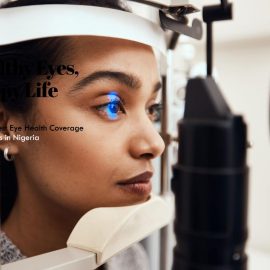
The Ultimate Guide to Eye Health Coverage by HMOs in Nigeria

In Nigeria, the focus on eye health has often been overshadowed by the pressing demands of infectious diseases and general healthcare challenges. However, a gradual but significant shift is occurring as Health Maintenance Organizations (HMOs) increasingly recognize the importance of vision care. The integration of eye health benefits into HMO packages represents a pivotal change that addresses both immediate and long-term healthcare needs of Nigerians.

The Importance of Eye Health

Vision is a critical aspect of overall health and well-being. The World Health Organization (WHO) estimates that over 2.2 billion people globally have a vision impairment or blindness, with at least one billion cases being preventable or treatable. In Nigeria, the situation is similarly dire. According to the Nigerian National Blindness and Visual Impairment Survey, approximately 4.25 million adults aged 40 years and above are visually impaired, with 1.13 million being blind.

Unaddressed vision problems can lead to severe consequences, including reduced quality of life, loss of productivity, and increased healthcare costs. For children, poor vision can impair learning and development, potentially limiting future opportunities. For adults, especially the elderly, it can lead to accidents, social isolation, and an overall decline in health. Thus, the emphasis on eye health is not just a medical necessity but a socio-economic imperative.

By monitoring the health of your eyes through regular eye exams, you can ensure that any signs of diabetic retinopathy are addressed promptly. This proactive approach can help in preserving your vision and overall eye health.

The Role of HMOs in Nigerian Healthcare

Health Maintenance Organizations (HMOs) are pivotal in the Nigerian healthcare system. They provide a structured way for individuals and employers to access health services through prepaid plans. HMOs manage healthcare financing and delivery, ensuring that members receive necessary medical services without facing prohibitive costs at the point of care.

Historically, HMO packages in Nigeria have focused on general health services, such as consultations, hospitalizations, maternal and child care, and treatments for common diseases. However, recognizing the critical need for comprehensive eye care, several HMOs are now expanding their coverage to include eye health benefits.

Integrating Eye Health into HMO Packages

The inclusion of eye health benefits in HMO packages marks a significant advancement in Nigerian healthcare. This integration involves offering routine eye exams, treatment for common eye conditions, and even surgical procedures when necessary. Here’s how some HMOs in Nigeria are prioritizing eye health:

  1. Routine Eye Exams and Screenings: Regular eye exams are essential for early detection and treatment of vision problems. HMOs are increasingly covering annual or biennial comprehensive eye exams, which help identify conditions such as glaucoma, cataracts, diabetic retinopathy, and refractive errors. For instance, AXA Mansard Health, one of Nigeria’s leading HMOs, includes routine eye checks in their health plans, recognizing the need for proactive eye care.
  2. Treatment of Common Eye Conditions: Conditions like conjunctivitis, dry eyes, and minor eye infections are common and can significantly impact daily life. HMOs are now covering treatments for these ailments, ensuring that members can access necessary medications and consultations without financial strain. This approach helps in managing eye health effectively and prevents complications from untreated conditions.
  3. Surgical Interventions: For more severe conditions such as cataracts and glaucoma, surgical intervention is often required. Some Nigerian HMOs have begun to cover these procedures, either partially or fully, within their premium plans. Hygeia HMO, for example, offers coverage for cataract surgery, which is a leading cause of blindness in Nigeria. By doing so, they provide a lifeline to those who might otherwise forego such necessary interventions due to cost constraints.
  4. Specialist Referrals and Partnerships: Collaborations with eye care specialists and clinics are crucial for providing comprehensive eye health services. HMOs are forming partnerships with renowned eye hospitals and specialists to ensure that their members receive high-quality care. For example, Leadway Health HMO partners with specialized eye clinics to facilitate access to expert care for complex eye conditions.
  5. Education and Awareness Campaigns: Prevention and early intervention are key components of eye health. HMOs are increasingly engaging in educational campaigns to raise awareness about the importance of regular eye check-ups and protective measures. These initiatives are vital in a country where access to health information can be limited, and misconceptions about eye health abound.
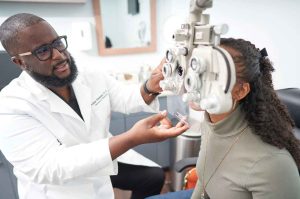
Prescription Eyewear

Impact on Public Health and Society

The prioritization of eye health by HMOs has far-reaching implications for public health and society. By ensuring that members have access to eye care services, HMOs are contributing to:

  1. Reduced Burden of Blindness and Visual Impairment: Early detection and treatment of eye conditions can significantly reduce the prevalence of blindness and visual impairment. This has a direct impact on individuals’ quality of life and their ability to contribute productively to society.
  2. Improved Quality of Life: Good vision is integral to daily living and overall well-being. By facilitating access to eye care, HMOs help individuals maintain their independence, engage in social activities, and perform tasks that require clear vision, from reading to driving.
  3. Economic Benefits: The economic impact of unaddressed vision problems is substantial. Individuals with vision impairment often experience reduced productivity and higher healthcare costs. By covering eye health services, HMOs help mitigate these economic burdens, leading to a healthier, more productive workforce.
  4. Enhanced Educational Outcomes: For children, clear vision is essential for learning. By including pediatric eye exams and treatments in their plans, HMOs support better educational outcomes. This investment in eye health is an investment in the future, as children with good vision are more likely to succeed academically and pursue higher education and employment opportunities.
  5. Reduced Healthcare Costs: Preventive eye care can lead to early detection of systemic diseases such as diabetes and hypertension, which have ocular manifestations. By identifying these conditions early, overall healthcare costs can be reduced through timely intervention and management.
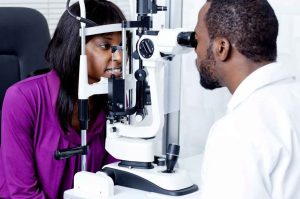
By monitoring the health of your eyes through regular eye exams, you can ensure that any signs of diabetic retinopathy are addressed promptly. This proactive approach can help in preserving your vision and overall eye health.

Challenges and Future Directions

While the integration of eye health benefits into HMO packages is a positive development, several challenges remain. These include:

  1. Awareness and Utilization: Despite the availability of eye care benefits, not all HMO members utilize these services. There is a need for continued education and outreach to ensure that members understand and take advantage of their benefits.
  2. Access and Infrastructure: In rural and underserved areas, access to quality eye care remains a challenge. HMOs must work towards improving the distribution of services and partnering with local providers to reach these populations.
  3. Cost Management: The cost of advanced eye care services, such as surgeries and specialized treatments, can be high. HMOs need to balance offering comprehensive benefits with maintaining affordability for their members.
  4. Data and Research: There is a need for more robust data on the impact of eye health benefits within HMO plans. Research and data collection can help in assessing the effectiveness of these benefits and guiding future improvements.
Learn about the diagnosis, detection, and treatment of corneal ectasia in Nigeria. This comprehensive guide provides valuable information on identifying and managing this condition effectively.

Conclusion

The prioritization of eye health by HMOs in Nigeria is a significant step towards improving the overall health and well-being of the population. By integrating comprehensive eye care services into their packages, HMOs are addressing a critical aspect of healthcare that has long been neglected. This move not only enhances the quality of life for individuals but also contributes to broader socio-economic benefits.

As HMOs continue to evolve and expand their offerings, the focus on eye health should remain a priority. With ongoing efforts to raise awareness, improve access, and manage costs, the future of eye health in Nigeria looks promising. This shift reflects a growing recognition that vision care is not a luxury but a necessity, integral to achieving a healthier, more productive society.

Read more

The Ultimate Guide to Eye Care in Lagos, Nigeria

With the hustle and bustle of everyday life in Lagos, it can be easy to overlook the importance of caring for your eyes. However, maintaining healthy vision is essential for overall well-being and quality of life. In this ultimate guide, we will explore how to find the best eye specialist in Lagos, common eye conditions in Nigeria, tips for maintaining healthy vision, the importance of regular eye exams, and the various eye care services available in the bustling city. Let’s delve into the world of eye care in Lagos and discover how you can prioritize your vision health.

By monitoring the health of your eyes through regular eye exams, you can ensure that any signs of diabetic retinopathy are addressed promptly. This proactive approach can help in preserving your vision and overall eye health.
Finding the Best Eye Specialist in Lagos

Researching online reviews and recommendations can help narrow down the search for a reputable eye specialist in Lagos.

Asking for referrals from family and friends who have received eye care in Lagos can also lead to finding a reliable eye specialist.

Checking the qualifications and experience of a potential eye specialist is essential to ensure quality care.

Common Eye Conditions in Nigeria

– Cataracts and glaucoma are among the most prevalent eye conditions in Nigeria, affecting a large portion of the population.

– Refractive errors such as myopia and hyperopia are also common eye conditions that can be corrected with glasses or contact lenses.

– Regular eye check-ups can help detect and manage common eye conditions early to prevent vision loss.

Prescription Eyewear

Tips for Maintaining Healthy Vision

Eating a balanced diet rich in vitamins and nutrients, such as leafy greens and fish high in omega-3 fatty acids, can promote eye health.

Protecting your eyes from harmful UV rays by wearing sunglasses outdoors and taking breaks from screen time can help prevent eye strain and damage.

Avoiding smoking and maintaining a healthy lifestyle, including regular exercise, can contribute to overall eye health and well-being.

Importance of Regular Eye Exams

Regular eye exams are crucial for detecting vision problems early, allowing for timely intervention and treatment to prevent further complications.

Eye exams can also help monitor eye conditions such as glaucoma and diabetic retinopathy, which may not present noticeable symptoms in the early stages.

Children should have their first eye exam at six months of age, followed by regular check-ups to ensure healthy vision development.

Eye Care Services Available in Lagos

Lagos offers a range of eye care services to meet the diverse needs of its residents. Whether you need a comprehensive eye exam, prescription eyewear fittings, or treatment for specific eye conditions, Lagos has you covered.

  • Comprehensive Eye Exams: Eye care facilities in Lagos provide thorough eye exams to evaluate your vision and overall eye health. These exams can detect vision problems early and help monitor existing eye conditions.
  • Prescription Eyewear Fittings: If you require glasses or contact lenses, experienced professionals in Lagos can assist you in finding the right prescription eyewear for your needs.
  • Treatment for Eye Conditions: From cataracts and glaucoma to dry eyes and other eye conditions, Lagos offers treatment options to address various eye health issues.
  • LASIK Surgery: For those seeking vision correction without the need for glasses or contact lenses, specialized services like LASIK surgery are available in Lagos.
  • Pediatric Eye Care: Children’s eye health is also a priority in Lagos, with specialized services tailored to meet the unique needs of young patients.

Eye care facilities in Lagos are equipped with advanced technology and staffed by experienced eye care professionals to provide quality and personalized care to all patients.

By monitoring the health of your eyes through regular eye exams, you can ensure that any signs of diabetic retinopathy are addressed promptly. This proactive approach can help in preserving your vision and overall eye health.

Conclusion

In conclusion, taking care of your eyes is essential for maintaining good vision and overall well-being. By finding the best eye specialist in Lagos, staying informed about common eye conditions in Nigeria, following tips for maintaining healthy vision, scheduling regular eye exams, and utilizing the available eye care services in Lagos, you can ensure optimal eye health for yourself and your family. Remember, your eyes are precious, so make sure to prioritize their care and seek professional help when needed. Here’s to healthy eyes and clear vision in Lagos, Nigeria!

Read more

Revolutionizing Eye Care: Innovative Retinal Imaging in Nigeria

In Nigeria, the journey toward improved eye care has been both a struggle and a triumph. Picture this: millions of individuals, young and old, grappling with vision problems, their dreams and aspirations eclipsed by the shadow of preventable blindness. It’s a reality that pierces the heart, knowing that access to quality eye care has been a luxury for too many Nigerians.

But amidst the challenges, there shines a beacon of hope—a beacon fueled by innovation and unwavering determination. Enter the realm of retinal imaging, where technology meets compassion to revolutionize the way we see eye care.

In recent years, Nigeria has witnessed remarkable strides in the field of retinal imaging, with advancements that defy expectations and redefine possibilities. According to recent data, over 4 million Nigerians aged 40 and above are affected by diabetic retinopathy, a condition that threatens their vision and livelihoods. Additionally, glaucoma silently steals sight from approximately 1.02 million Nigerians, with many unaware of its presence until irreversible damage occurs.

Learn about the diagnosis, detection, and treatment of corneal ectasia in Nigeria. This comprehensive guide provides valuable information on identifying and managing this condition effectively.

But here’s where the narrative shifts. Thanks to innovative retinal imaging technologies, these statistics need not dictate our future. Imagine a world where early detection is not just a possibility but a reality, where individuals can receive timely interventions to safeguard their precious sight.

From the bustling streets of Lagos to the serene landscapes of Enugu, retinal imaging is bridging the gap between urban centers and remote villages, bringing life-changing eye care closer to those in need. With ultra-widefield imaging and optical coherence tomography (OCT) leading the charge, healthcare professionals now have the tools they need to peer into the depths of the eye with unparalleled clarity.

But it’s not just about the technology—it’s about the lives transformed, the stories rewritten. Picture a grandmother in Kano, her eyes alight with joy as she sees her grandchildren’s faces clearly for the first time in years. Or a young entrepreneur in Port Harcourt, whose dreams of building a brighter future are no longer clouded by the fear of vision loss.

Yes, the road ahead may be daunting, fraught with challenges and obstacles yet to be overcome. But with every scan, every diagnosis, and every life touched, we inch closer to a future where blindness is not a sentence but a memory—a testament to the power of innovation, compassion, and the human spirit.

Join us on this journey as we explore the transformative power of retinal imaging in Nigeria, where every click of the shutter brings us one step closer to a world where sight knows no boundaries, and hope shines brighter than ever before.

Age-related Macular Degeneration (AMD) can impact your vision and ability to drive safely in Nigeria. Learn about the risks and precautions to take while driving with AMD.

Understanding the Importance of Eye Health

Your eyes are not just windows to the world but also mirrors reflecting your overall health. From enjoying scenic views to navigating through daily tasks, good vision is indispensable. However, in Nigeria, access to quality eye care has been a challenge for many.

The Evolution of Retinal Imaging Technology

Imagine a camera capturing the intricate details of your eyes, revealing insights imperceptible to the naked eye. That’s the power of retinal imaging. Over the years, this technology has evolved exponentially, revolutionizing the way eye conditions are diagnosed and managed.

Breakthrough Innovations in Retinal Imaging

Thanks to relentless innovation, retinal imaging has witnessed groundbreaking advancements. From ultra-widefield imaging to optical coherence tomography (OCT), these innovations provide unprecedented clarity, enabling healthcare professionals to detect and monitor eye diseases with unparalleled precision.

Cataract Surgery Following LASIK in Nigeria

Accessibility to Advanced Eye Care

In the past, accessing advanced eye care in Nigeria was a luxury reserved for a few. However, with the advent of innovative retinal imaging technologies, this paradigm is shifting. Now, individuals across the nation, regardless of their location or socioeconomic status, can avail themselves of cutting-edge eye care services.

Empowering Eye Care Professionals

Retinal imaging not only enhances the patient experience but also empowers eye care professionals. By providing comprehensive insights into ocular health, these tools enable clinicians to make informed decisions, leading to more accurate diagnoses and tailored treatment plans.

Enhancing Early Detection of Eye Diseases

Early detection is key to preventing vision loss and preserving ocular health. With advanced retinal imaging, healthcare providers can identify subtle changes in the retina long before symptoms manifest, facilitating timely intervention and mitigating the progression of potentially sight-threatening conditions.

Customized Treatment Plans

One size does not fit all when it comes to eye care. Retinal imaging allows for the customization of treatment plans based on individual patient needs. Whether it’s managing diabetic retinopathy or age-related macular degeneration, personalized approaches yield better outcomes and improved quality of life.

Addressing Challenges in Eye Care Access

Despite significant progress, challenges persist in ensuring equitable access to eye care services. Issues such as infrastructure limitations and resource constraints continue to hinder the reach of advanced retinal imaging technologies, particularly in rural areas.

Bridging the Gap: Urban vs. Rural Eye Care

Disparities in eye care access between urban and rural communities remain a pressing concern. While major cities boast state-of-the-art facilities, remote areas often lack even basic eye care services. Bridging this gap requires concerted efforts to decentralize resources and prioritize community-based initiatives.

Community Outreach and Education

Education is instrumental in fostering a culture of proactive eye care. Through community outreach programs and awareness campaigns, individuals can be empowered with knowledge about preventive measures, early warning signs, and the importance of regular eye examinations.

Collaborative Efforts for Sustainable Impact

Achieving lasting change in eye care requires collaboration across various stakeholders. From government agencies to non-profit organizations and private sector partners, collective action is essential to implement sustainable solutions that address systemic challenges and improve access to quality eye care for all Nigerians.

Cataract Surgery Following LASIK in Nigeria

The Future Landscape of Eye Care in Nigeria

As technology continues to evolve and healthcare delivery models adapt, the future of eye care in Nigeria holds immense promise. By embracing innovation, fostering collaboration, and prioritizing inclusivity, we can pave the way for a future where every Nigerian enjoys the gift of sight.

Conclusion: Embracing a Visionary Tomorrow

In conclusion, the journey towards innovative advances in retinal imaging for enhanced eye care in Nigeria is not just a scientific endeavor; it’s a beacon of hope for millions. With approximately 4.25 million people suffering from blindness in Nigeria, according to the National Blindness and Visual Impairment Survey, the need for accessible and effective eye care solutions has never been more urgent.

The transformative power of retinal imaging cannot be overstated. By harnessing the latest technologies, such as ultra-widefield imaging and optical coherence tomography (OCT), eye care professionals can now delve into the depths of the retina with unprecedented clarity. These advancements enable early detection and precise diagnosis of sight-threatening conditions like diabetic retinopathy, glaucoma, and age-related macular degeneration.

Understanding the cultural and social factors affecting vision care in Nigeria is crucial in addressing the challenges and barriers to access and quality eye health services. Learn more about these factors and their impact on vision care in Nigeria.

Moreover, the impact of these innovations extends far beyond clinical settings. They represent a lifeline for individuals and families grappling with the fear of vision loss. Imagine the relief of a diabetic patient, knowing that retinal imaging can detect signs of retinopathy before irreversible damage occurs. Picture the joy of an elderly individual, whose macular degeneration is caught early, preserving their independence and quality of life.

In Nigeria, where access to healthcare resources is often limited, these advancements are nothing short of revolutionary. They bridge the gap between urban centers and rural communities, bringing cutting-edge eye care services to the doorstep of those who need it most. They empower healthcare providers with tools to deliver personalized treatment plans, tailored to each patient’s unique needs.

As we look to the future, the potential of retinal imaging to transform eye care in Nigeria is boundless. With continued investment in research, infrastructure, and education, we can unlock new possibilities and pave the way for a brighter, healthier tomorrow. Together, let us champion innovation, advocate for equitable access, and ensure that every Nigerian has the opportunity to see the world through clear, unclouded eyes.

Read more

Eyelanders Contribution to World Glaucoma Week in Nigeria

Glaucoma is a group of eye diseases that damage the optic nerve and can lead to irreversible vision loss. It is the second leading cause of blindness in the world, affecting more than 80 million people. In Nigeria, glaucoma is a major public health problem, with an estimated prevalence of 5.02% among adults aged 40 years and above. Glaucoma is often called the “silent thief of sight” because it usually has no symptoms until it causes significant vision loss.

That is why World Glaucoma Week, a global initiative organized by the World Glaucoma Association, is so important. World Glaucoma Week aims to raise awareness about glaucoma and encourage people to have regular eye and optic nerve checks to detect glaucoma as early as possible. Early detection and treatment can prevent or slow down the progression of glaucoma and preserve vision.

Age-related Macular Degeneration (AMD) can impact your vision and ability to drive safely in Nigeria. Learn about the risks and precautions to take while driving with AMD.

At Eyelanders Eye Care Company, we are proud to be part of this global effort to fight glaucoma blindness. As a leading provider of eye care services in Nigeria, we offer comprehensive glaucoma screening, diagnosis and management for our patients. We also participate in various awareness activities during World Glaucoma Week, such as:

– Conducting free glaucoma screening camps in rural and urban communities

– Distributing educational materials and flyers on glaucoma prevention and treatment

– Organizing seminars and workshops for health professionals and the general public on glaucoma awareness and best practices

– Collaborating with other eye care organizations, media outlets and celebrities to spread the word about glaucoma

– Sharing stories and testimonials of glaucoma patients and survivors on our social media platforms

Cataract Surgery Following LASIK in Nigeria

Impact of Eyelanders’ Efforts

The success stories speak volumes. Individuals once unaware of the dangers of Glaucoma now have a chance at a brighter future, thanks to Eyelanders’ intervention. Statistical improvements in Glaucoma awareness reflect a positive shift in the eye health narrative in Nigeria.

Challenges and Solutions

Eyelanders faces challenges head-on, overcoming barriers to awareness and dispelling misconceptions about eye health. Their innovative approach and commitment to continuous improvement lay the foundation for a sustainable impact on Glaucoma awareness.

Eyelanders’ Community Engagement

Beyond clinical settings, Eyelanders actively engages with communities through workshops and educational programs. They participate in local events, fostering a sense of responsibility within communities to prioritize eye health.

Personal Stories

The real impact of Eyelanders’ work comes to life through personal narratives. Individuals share how Eyelanders’ interventions made a tangible difference, inspiring others to prioritize their eye health and seek early detection.

Learn more about how Eyelanders is making a difference during World Glaucoma Week in Nigeria

The Human Side of Eyelanders

Behind the scenes, Eyelanders is more than just a healthcare provider; it’s a group of passionate individuals dedicated to making a difference. Personal stories from the team members highlight their commitment and the personal connections they forge within the community.

Future Vision for Glaucoma Awareness

Looking ahead, Eyelanders envisions scaling up its initiatives, advocating for national policies on eye health, and engaging with global organizations for support. The goal is not just to raise awareness but to create a lasting impact on the overall eye health landscape.

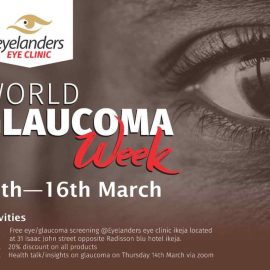
We will be hosting a free eye clinic this week from 11th-15th of March at our Ikeja Office (31 Isaac John Street (Opposite Radisson Blu) Ikeja, Lagos Nigeria). We will also be giving out a 20% Discount on all our products as well.

Join our Webinar LIVE

DATE: MARCH 14th, 2024

EVENT TIME: 2:30-3:30 PM THEME: GLAUCOMA “THE SILENT THIEF OF SIGHT”

SPEAKER: DR IKENNA OZOEMENA

VENUE: ZOOM

ATTENDANCE IS FREE! Register now.

Taking care of your lenses is crucial for maintaining good eye health. This article provides essential lens care hacks specifically tailored for Nigerians, ensuring that your lenses stay clean and in optimal condition.

Conclusion

As we reflect on Eyelanders’ journey, it’s evident that their dedication to Glaucoma awareness is transforming lives in Nigeria. This article is a call to action, urging readers to prioritize their eye health and support initiatives like Eyelanders that make a tangible difference.

We believe that by uniting for a glaucoma-free world, we can make a difference in the lives of millions of Nigerians who are at risk of losing their sight to glaucoma. We invite you to join us in this mission by getting tested for glaucoma, educating yourself and others about glaucoma, and supporting our work.

Together, we can beat glaucoma!

Read more

Key Factors to Consider When Choosing Eye Allergy Medications in Nigeria

Eye allergies, also known as allergic conjunctivitis, are common conditions that affect many people in Nigeria and around the world. They are caused by exposure to allergens such as pollen, dust, animal dander, mold, or cosmetics, which trigger an immune response in the eyes. The symptoms of eye allergies include itching, redness, watering, swelling, and sensitivity to light. These symptoms can interfere with daily activities and affect the quality of life of those who suffer from them.

Choosing the right eye allergy medications in Nigeria involves considering factors such as effectiveness, safety, affordability, and availability

Fortunately, there are various medications available to treat eye allergies and provide relief from the discomfort. However, not all medications are equally effective or suitable for everyone. Therefore, it is important to know how to select the most appropriate eye allergy medication for your specific needs and preferences. Here are some essential tips to help you with this process:

1. Identify the type and severity of your eye allergy

The first step in choosing the right eye allergy medication is to identify the type and severity of your eye allergy. There are two main types of eye allergies: seasonal and perennial. Seasonal eye allergies occur only at certain times of the year, usually during spring or autumn, when the pollen count is high. Perennial eye allergies occur throughout the year and are caused by constant exposure to indoor allergens such as dust mites, pet dander, or mold.

The severity of your eye allergy can range from mild to severe, depending on the frequency and intensity of your symptoms. Mild eye allergies may cause occasional itching and watering, while severe eye allergies may cause persistent inflammation and discomfort that affect your vision and daily functioning.

Knowing the type and severity of your eye allergy can help you narrow down your options and select the most suitable medication for your condition.

Telehealth is transforming the way patients access eye care by providing convenient and accessible virtual appointments. Discover how this technology is revolutionizing eye care accessibility and improving patient outcomes.

2. Consult your doctor or pharmacist

The second step in choosing the right eye allergy medication is to consult your doctor or pharmacist. They can help you diagnose your eye allergy, rule out any other eye problems, and prescribe or recommend the best medication for you. They can also advise you on the proper dosage, frequency, duration, and side effects of the medication, and monitor your progress and response to the treatment.

Your doctor or pharmacist can also help you avoid any potential drug interactions or contraindications with other medications or health conditions that you may have. For example, some eye allergy medications may not be suitable for people with glaucoma, diabetes, high blood pressure, or thyroid disease. Therefore, it is important to inform your doctor or pharmacist of your medical history and any other medications or supplements that you are taking.

3. Choose the right formulation and delivery method

The third step in choosing the right eye allergy medication is to choose the right formulation and delivery method. There are different forms of eye allergy medications, such as eye drops, gels, ointments, tablets, or capsules. Each form has its advantages and disadvantages, depending on your preference and convenience.

Eye drops are the most common and popular form of eye allergy medication. They are easy to use, fast-acting, and effective in relieving the symptoms of eye allergies. However, they may also cause some side effects, such as burning, stinging, irritation, or blurred vision. They may also require frequent application, usually several times a day, and may not last long in the eye. Therefore, they may not be suitable for people who wear contact lenses, have dry eyes, or need long-term relief.

Gels and ointments are thicker and more viscous than eye drops, and they provide longer-lasting lubrication and protection for the eyes. They are especially useful for people who have dry eyes or need nighttime relief. However, they may also cause more blurring of vision and may be more difficult to apply. They may also interfere with the absorption of other eye medications, such as eye drops. Therefore, they should be used with caution and under the guidance of your doctor or pharmacist.

Tablets and capsules are oral forms of eye allergy medication that work by blocking the histamine receptors in the body, which are responsible for the allergic reaction. They are convenient and easy to take, and they can provide systemic relief for the whole body, not just the eyes. However, they may also cause some side effects, such as drowsiness, dry mouth, headache, or nausea. They may also take longer to work and may not be as effective as eye drops in targeting eye symptoms. Therefore, they should be used as a supplement or alternative to eye drops, not as a replacement.

Choosing the right eye allergy medications in Nigeria involves considering factors such as effectiveness, safety, affordability, and availability

4. Compare the different types and brands of eye allergy medications

The fourth step in choosing the right eye allergy medication is to compare the different types and brands of eye allergy medications. There are two main types of eye allergy medications: antihistamines and mast cell stabilizers. Antihistamines work by blocking the histamine, which is the chemical that causes the allergic reaction. Mast cell stabilizers work by preventing the release of histamine and other inflammatory substances from the mast cells, which are the cells that store and release histamine.

Antihistamines are more effective in relieving the itching and redness of eye allergies, while mast cell stabilizers are more effective in preventing and reducing the swelling and watering of eye allergies. Some eye allergy medications combine both antihistamines and mast cell stabilizers to provide dual action and greater relief. However, some people may be allergic or sensitive to certain ingredients or preservatives in some eye allergy medications, so it is important to read the labels and check for any warnings or precautions before using them.

There are also different brands and generic versions of eye allergy medications, which may vary in their price, quality, availability, and customer reviews. Some of the most popular and reputable brands of eye allergy medications include:

Bausch + Lomb Alaway Antihistamine Eye Drops: This is an over-the-counter eye drop that contains ketotifen, a potent antihistamine that provides fast and long-lasting relief for eye allergies. It can be used up to twice a day and is suitable for adults and children over 3 years old. It has a high rating and positive feedback from customers who have used it.

ALCON Pataday Once Daily Relief: This is an over-the-counter eye drop that contains olopatadine, a powerful antihistamine and mast cell stabilizer that provides 24-hour relief for eye allergies. It can be used once a day and is suitable for adults and children over 2 years old. It has a high rating and positive feedback from customers who have used it.

Systane Ultra Lubricant Eye Drops: This is an over-the-counter eye drop that contains polyethylene glycol and propylene glycol, which are ocular lubricants that moisturize and soothe the eyes. It can be used as needed and is suitable for people who have dry eyes or wear contact lenses. It has a high rating and positive feedback from customers who have used it.

TheraTears Extra Dry Eye Therapy: This is an over-the-counter eye drop that contains sodium carboxymethylcellulose, which is an ocular lubricant that hydrates and protects the eyes. It can be used as needed and is suitable for people who have mild eye allergies or dry eyes. It has a high rating and positive feedback from customers who have used it.

Bausch & Lomb Opcon-A Allergy Eye Drops: This is an over-the-counter eye drop that contains naphazoline and pheniramine, which are a decongestant and an antihistamine, respectively. They work together to reduce the redness and itching of eye allergies. It can be used up to four times a day and is suitable for adults and children over 6 years old. It has a high rating and positive feedback from customers who have used it.

Naphcon-A Eye Drops: This is an over-the-counter eye drop that contains naphazoline and pheniramine, which are a decongestant and an antihistamine, respectively. They work together to reduce the redness and itching of eye allergies. It can be used up to four times a day and is suitable for adults and children over 6 years old. It has a high rating and positive feedback from customers who have used it.

Taking care of your lenses is essential for good eye health. In this article, we share lens care hacks specifically tailored to the needs of Nigerians, helping you keep your lenses clean and comfortable.

5. Try different eye allergy medications and see what works best for you

The fifth and final step in choosing the right eye allergy medication is to try different eye allergy medications and see what works best for you. Everyone’s eyes and allergies are different, so what works for one person may not work for another. Therefore, it is important to experiment with different eye allergy medications and see how they affect your symptoms, comfort, and satisfaction. You may need to try several eye allergy medications before you find the one that suits you the best.

You should also keep track of your eye allergy symptoms and medication use, such as the frequency, duration, severity, and triggers of your symptoms, and the name, dose, time, and effect of your medication. This can help you monitor your progress and response to the treatment, and identify any patterns or changes that may occur. You can use a journal, a calendar, a spreadsheet, or an app to record your eye allergy data.

You should also communicate with your doctor or pharmacist regularly and update them on your eye allergy condition and medication use. They can provide you with feedback, guidance, and support, and adjust your treatment plan if needed. They can also help you manage any side effects, complications, or emergencies that may arise from your eye allergy medication use.

Conclusion

By following these five essential tips, you can select the most suitable eye allergy medication for your needs and preferences, and enjoy a more comfortable and symptom-free life. Remember, eye allergies are treatable and manageable, and you do not have to suffer from them.

Read more

The Role of Telehealth in Eye Care Services in Nigeria

Telehealth is the use of technology to deliver healthcare services remotely, such as through video calls, mobile apps, or online platforms. Telehealth has the potential to improve access, quality, and affordability of eye care services in Nigeria, a country that faces many challenges in providing adequate eye care to its population. According to the World Health Organization, Nigeria has an estimated 4.25 million people who are visually impaired, and 0.5 million who are blind. The main causes of visual impairment and blindness are cataracts, glaucoma, trachoma, and refractive errors. However, many of these conditions are preventable or treatable if detected early and managed properly.

This essay will explore the role of telehealth in eye care services in Nigeria, focusing on the benefits, challenges, and opportunities of this innovative approach. It will also examine some of the telehealth platforms and initiatives that are currently operating or emerging in the Nigerian eye care sector, such as Mobihealth, iWello, CribMD, and DRO Health. The essay will argue that telehealth can be a powerful tool to enhance eye care delivery and outcomes in Nigeria, especially for rural and underserved communities, but it also requires adequate infrastructure, regulation, and collaboration to ensure its effectiveness and sustainability.

Telehealth is transforming the way patients access eye care by providing convenient and accessible virtual appointments. Discover how this technology is revolutionizing eye care accessibility and improving patient outcomes.

The Importance of Telehealth in Improving Eye Care Access in Nigeria

Telehealth plays a crucial role in improving access to eye care services in Nigeria, especially for individuals residing in remote areas. This innovative approach to healthcare delivery allows people to access eye care services without the need to travel long distances, overcoming geographic barriers and reducing transportation costs.

In Nigeria, many underserved populations face challenges in accessing eye care due to the limited availability of healthcare facilities and specialists in their local communities. Telehealth eliminates these barriers by connecting patients with eye care specialists through virtual platforms. This remote access to eye care services ensures that individuals in remote areas can receive the necessary care, diagnosis, and treatment, without the need to physically visit urban areas.

Furthermore, telehealth enables eye care providers to bring their expertise directly to individuals who may not have easy access to specialized eye care in their communities. By leveraging telehealth technology, eye care specialists can remotely diagnose and treat eye conditions, monitor chronic eye conditions, and provide necessary guidance and support. This improves the overall quality of eye care for underserved populations in Nigeria.

Overall, telehealth is a game-changer in eye care services in Nigeria, as it breaks down barriers and provides a convenient, accessible, and efficient way for individuals to receive the eye care they need, regardless of their location.

Telehealth is transforming the way patients access eye care by providing convenient and accessible virtual appointments. Discover how this technology is revolutionizing eye care accessibility and improving patient outcomes.

Advantages of Telehealth in Providing Eye Care Services to Remote Areas

Telehealth enables remote diagnosis and treatment of eye conditions, reducing the need for patients to travel to urban areas for specialized care.

With telehealth, eye care specialists can remotely monitor and manage chronic eye conditions of patients in remote areas, improving their overall quality of life.

By using telehealth technology, eye care providers can reach individuals in remote areas with limited access to transportation and healthcare facilities.

Telehealth: A Solution for Overcoming Limited Eye Care Specialists in Nigeria

Telehealth allows patients in Nigeria to connect with eye care specialists from anywhere, reducing the reliance on a limited number of specialists in urban areas.

Through telehealth, eye care providers in Nigeria can tap into a global network of specialists, enabling them to provide a wider range of specialized care.

Telehealth platforms facilitate knowledge-sharing among eye care specialists, promoting collaboration and improving the quality of care in Nigeria.

Telehealth is transforming the way patients access eye care by providing convenient and accessible virtual appointments. Discover how this technology is revolutionizing eye care accessibility and improving patient outcomes.

The Future of Eye Care: Exploring Telehealth Technology in Nigeria

Telehealth technology has the potential to revolutionize eye care in Nigeria, improving accessibility, efficiency, and outcomes. With advancements in telehealth technology, such as remote monitoring and teleconsultations, the delivery of eye care services can be greatly enhanced.

The integration of telehealth into the existing eye care system in Nigeria can lead to significant benefits, including cost savings, improved patient outcomes, and better resource allocation. By leveraging telehealth technology, eye care providers can streamline the delivery of services, reducing waiting times and optimizing appointment scheduling.

Furthermore, telehealth enables eye care providers to easily access and share patient information, leading to more informed diagnoses and treatment plans. This seamless exchange of information enhances the overall quality of care provided.

Additionally, telehealth offers opportunities for remote education and training for eye care providers in Nigeria. Through virtual platforms, they can enhance their skills and knowledge, keeping up with the latest advancements in the field.

In summary, telehealth technology holds great promise for the future of eye care in Nigeria. Its integration can lead to improved accessibility, efficiency, and quality in service delivery, ultimately benefiting the population’s overall eye health.

Telehealth is transforming the way patients access eye care by providing convenient and accessible virtual appointments. Discover how this technology is revolutionizing eye care accessibility and improving patient outcomes.

Telehealth: Enhancing Efficiency and Quality in Eye Care Services

Telehealth plays a crucial role in enhancing the efficiency and quality of eye care services in Nigeria. By leveraging telehealth technology, eye care providers can optimize the delivery of services, resulting in improved patient experiences and outcomes.

One of the key advantages of telehealth in eye care is its ability to streamline the delivery of services. With telehealth, waiting times can be reduced as appointments can be scheduled more efficiently. Patients no longer have to spend hours in crowded waiting rooms, increasing their overall satisfaction.

Additionally, telehealth enables eye care providers to easily access and share patient information. By having a comprehensive view of a patient’s medical history and test results, eye care specialists can make more informed diagnoses and develop personalized treatment plans. This level of information sharing leads to better patient outcomes.

Telehealth also opens up opportunities for remote education and training for eye care providers. Through virtual platforms, specialists can participate in webinars, conferences, and online courses to enhance their skills and knowledge. This continual education ensures that eye care providers stay up-to-date with the latest advancements in the field, ultimately benefiting their patients.

In summary, telehealth enhances efficiency in eye care services by optimizing appointment scheduling, facilitating information sharing, and providing opportunities for remote education. By embracing telehealth, eye care providers in Nigeria can improve the overall quality of care and enhance patient outcomes.

Telehealth is transforming the way patients access eye care by providing convenient and accessible virtual appointments. Discover how this technology is revolutionizing eye care accessibility and improving patient outcomes.

The Growing Demand for Telehealth in Eye Care Services in Nigeria

The COVID-19 pandemic has accelerated the adoption of telehealth in eye care, as it provides a safe and convenient way to receive care. Telehealth allows patients to seek eye care services without the need for physical contact, reducing the risk of virus transmission.

The convenience of telehealth has led to an increased demand for remote eye care services, as patients appreciate the flexibility it offers. People can now easily access eye care services from the comfort of their own homes, eliminating the need for commuting and reducing waiting times.

Additionally, telehealth has shown to be particularly effective in addressing the unique challenges faced by individuals in remote areas of Nigeria. The lack of access to eye care specialists and healthcare facilities is a common issue in rural and underserved communities. Telehealth bridges this gap by allowing individuals in remote locations to receive timely eye care services without having to travel long distances.

Furthermore, the growing demand for telehealth in eye care services in Nigeria goes beyond the current pandemic. Even after the pandemic subsides, telehealth is projected to continue playing a significant role in improving eye care access and delivery. The convenience and cost-saving benefits of telehealth have resonated with patients, and they have come to appreciate the flexibility it offers to fit within their busy lives.

Overall, the growing demand for telehealth in eye care services in Nigeria highlights the need for a more accessible and efficient healthcare system. Telehealth has the potential to address the healthcare challenges faced by individuals in both urban and rural areas, promoting healthcare equity and improving the overall population health in Nigeria.

Telehealth is transforming the way patients access eye care by providing convenient and accessible virtual appointments. Discover how this technology is revolutionizing eye care accessibility and improving patient outcomes.

Telehealth: Bridging the Gap between Urban and Rural Eye Care in Nigeria

Telehealth plays a significant role in bridging the geographical divide between urban and rural areas in Nigeria, ensuring that individuals in remote locations have access to timely eye care services.

Through telehealth, urban eye care specialists can collaborate with healthcare providers in rural areas, extending their expertise to underserved communities. This collaboration enables patients in remote areas to receive specialized eye care without the need to travel long distances.

By leveraging telehealth technology, eye care providers can bridge the gap in access to eye care services between urban and rural areas. This helps to promote healthcare equity and improve the overall population health in Nigeria.

Telehealth is transforming the way patients access eye care by providing convenient and accessible virtual appointments. Discover how this technology is revolutionizing eye care accessibility and improving patient outcomes.

Conclusion

Telehealth has a significant role to play in improving eye care services in Nigeria. It allows individuals in remote areas to access eye care without the need to travel long distances, eliminating barriers like transportation costs and time constraints. Through telehealth, eye care services can reach underserved populations who may not have easy access to eye care specialists in their local communities.

The advantages of telehealth in providing eye care to remote areas are numerous. It enables remote diagnosis and treatment of eye conditions, reducing the need for patients to travel to urban areas for specialized care. Eye care specialists can remotely monitor and manage chronic conditions, improving patients’ quality of life. Additionally, telehealth technology helps reach individuals in remote areas with limited access to transportation and healthcare facilities.

Telehealth also provides a solution for the limited number of eye care specialists in Nigeria. Patients can connect with specialists from anywhere, reducing reliance on a small number of specialists in urban areas. The telehealth platform facilitates knowledge-sharing and collaboration among specialists, improving the overall quality of care.

The future of eye care in Nigeria lies in telehealth technology. Advancements such as remote monitoring and teleconsultations can greatly enhance the delivery of eye care services, leading to better accessibility, efficiency, and outcomes. Integrating telehealth into the existing eye care system can result in cost savings, improved patient outcomes, and better resource allocation.

Telehealth enhances efficiency and quality in eye care services by reducing waiting times, optimizing appointment scheduling, and facilitating the sharing of patient information. It also enables remote education and training for eye care providers, enhancing their skills and knowledge.

The COVID-19 pandemic has further accelerated the adoption of telehealth in eye care due to its safe and convenient nature. The demand for remote eye care services is increasing as patients appreciate the flexibility it offers and the reduced risk of virus transmission.

Telehealth plays a crucial role in bridging the gap between urban and rural eye care. It ensures timely access to eye care services for individuals in remote locations and enables collaboration between urban specialists and healthcare providers in rural areas. By reducing inequities in access, telehealth promotes healthcare equity and improves overall population health.

Read more

Understanding the Cultural and Social Factors Affecting Vision Care in Nigeria

Vision care is an essential aspect of health care that aims to prevent, diagnose, and treat various eye diseases and conditions that can impair vision or cause blindness. However, vision care is not equally accessible or utilized by different segments of the population, especially in developing countries like Nigeria. According to the World Health Organization (WHO), Nigeria has an estimated 4.25 million people who are visually impaired, and 1.13 million who are blind. The main causes of visual impairment and blindness in Nigeria are cataract, glaucoma, refractive errors, trachoma, and onchocerciasis. Many cultural and social factors influence how people perceive, seek, and receive vision care in Nigeria. This article will explore some of these factors and their implications for vision health disparities and interventions.

Understanding the cultural and social factors affecting vision care in Nigeria is crucial for providing effective eye care services. This article explores the social factors that influence vision care in Nigeria and offers insights into addressing them for better eye health outcomes.

One of the challenges that Nigeria faces in addressing these eye health issues is the lack of access to quality and affordable eye care services, especially in rural and remote areas. There is a shortage of trained eye care professionals, such as optometrists and ophthalmologists, as well as inadequate infrastructure and equipment. Moreover, there is a low awareness and demand for eye care among the general population, due to cultural beliefs, stigma, and lack of information.

To overcome these barriers, community engagement is a key strategy that can enhance optometry and vision care outreach in Nigeria. Community engagement involves working with local communities to identify their needs, preferences, and challenges, and to co-create solutions that are appropriate, acceptable, and sustainable. Community engagement can also help to raise awareness and educate people about the importance of eye health, the causes and prevention of eye diseases, and the availability and benefits of eye care services.

Understanding the cultural and social factors affecting vision care in Nigeria is crucial in addressing the challenges and barriers to access and quality eye health services. Learn more about these factors and their impact on vision care in Nigeria.

Culture and beliefs about eye diseases

One of the major factors that affect vision care in Nigeria is the culture and beliefs of the people regarding the causes and treatments of eye diseases. Many Nigerians, especially those living in rural areas, have traditional or religious views about eye diseases that may differ from the biomedical perspective. For example, some people may attribute eye problems to supernatural forces, such as curses, witchcraft, or evil spirits, and seek remedies from traditional healers, herbalists, or faith healers. Others may believe that some eye diseases, such as cataract or glaucoma, are inevitable consequences of aging or fate, and accept them as natural or divine will. These beliefs may prevent people from seeking timely and appropriate vision care from modern health facilities, or make them reluctant to accept certain interventions, such as surgery or glasses.

UNDERSTANDING THE CULTURAL AND SOCIAL FACTORS AFFECTING VISION CARE IN NIGERIA

Gender and vision care

Another factor that influences vision care in Nigeria is gender. Studies have shown that women are more likely to suffer from blindness and visual impairment than men in Nigeria and that they have lower access to and utilization of vision care services. This is partly due to the socio-cultural norms and practices that limit women’s autonomy, mobility, education, and income, and that prioritize men’s health needs over women’s. For instance, women may face barriers such as lack of permission from their husbands or family members, lack of transportation or money, lack of awareness or information, or fear of stigma or discrimination when seeking vision care. Moreover, women may have higher exposure to risk factors for eye diseases, such as indoor air pollution, malnutrition, or infectious diseases, due to their domestic and reproductive roles.

Understanding the cultural and social factors affecting vision care in Nigeria is crucial in addressing the challenges and barriers to access and quality eye health services. Learn more about these factors and their impact on vision care in Nigeria.

Geographical and ecological variations in vision care

A third factor that affects vision care in Nigeria is the geographical and ecological diversity of the country. Nigeria has six geopolitical zones and various ecological regions, such as savanna, forest, and coastal zones that have different climatic, environmental, and socio-economic characteristics. These variations may influence the prevalence and distribution of eye diseases and the availability and accessibility of vision care services in different regions. For example, some regions may have higher rates of eye diseases, such as trachoma, onchocerciasis, or vitamin A deficiency, due to poor sanitation, water scarcity, or vector-borne infections. On the other hand, some regions may have lower coverage and quality of vision care services, due to inadequate infrastructure, human resources, or equipment.

Some of the benefits of community engagement for optometry and vision care outreach in Nigeria are:

– It can increase the coverage and reach of eye care services to underserved populations, by mobilizing community health workers, volunteers, and leaders to identify and refer people with eye problems to nearby facilities or mobile clinics.

– It can improve the quality and effectiveness of eye care services, by ensuring that they are culturally sensitive, patient-centered, and tailored to the local context and needs.

– It can enhance the sustainability and scalability of eye care interventions, by building trust, ownership, and collaboration among the stakeholders, such as the government, NGOs, private sector, and community members.

– It can empower the community members to take charge of their eye health, by increasing their knowledge, skills, and confidence to seek eye care services when needed and to adopt healthy behaviors that prevent eye diseases.

Understanding the cultural and social factors affecting vision care in Nigeria is crucial for providing effective eye care services. This article explores the social factors that influence vision care in Nigeria and offers insights into addressing them for better eye health outcomes.

Conclusion

Vision care is a vital component of health care that can improve the quality of life and well-being of millions of Nigerians who suffer from blindness and visual impairment. However, vision care is not equally available or utilized by all segments of the population, due to various cultural and social factors that shape the perception, demand, and supply of vision care in Nigeria. Therefore, it is important to understand and address these factors to design and implement effective and equitable vision care interventions that are culturally sensitive, gender-responsive, and context-specific.

Read more

How to Choose the Right Pediatric Eye Care Specialist in Nigeria

Children’s eyes are precious and need special care and attention. Children may have different eye problems than adults, such as refractive errors, strabismus, amblyopia, congenital cataracts, glaucoma, retinoblastoma, and retinopathy of prematurity. These conditions can affect the development of vision and learning and may lead to permanent visual impairment or blindness if not treated early and properly. Therefore, parents and caregivers need to choose the right pediatric eye care specialist for their children.

A pediatric eye care specialist is a doctor who has received additional training and certification in the diagnosis and treatment of eye diseases and disorders in children. A pediatric eye care specialist can provide comprehensive eye exams, prescribe glasses or contact lenses, perform eye surgery, and manage eye emergencies in children.

In Nigeria, there are different types of eye care professionals who can provide eye care services to children, such as ophthalmologists, optometrists, opticians, and ophthalmic nurses. However, not all of them are qualified or experienced in dealing with children’s eye problems. Therefore, parents and caregivers need to be aware of the differences and similarities among these eye care professionals, and how to find the best pediatric eye care specialist for their children.

Choosing the right pediatric eye care specialist in Nigeria is crucial for your child's eye health. Learn important factors to consider when making this decision and find the best specialist for your child's needs with our comprehensive guide.

Differences and Similarities among Eye Care Professionals in Nigeria

According to the Nigerian Optometric Association, the following are the definitions and roles of the different eye care professionals in Nigeria:

Ophthalmologist: An ophthalmologist is a medical doctor who specializes in the medical and surgical care of the eyes and the prevention of eye disease. An ophthalmologist can diagnose and treat all eye diseases, perform eye surgery, and prescribe and fit glasses and contact lenses. An ophthalmologist must complete six years of medical school, one year of internship, and four years of residency training in ophthalmology. Some ophthalmologists may also pursue additional fellowship training in a subspecialty, such as pediatric ophthalmology, which focuses on the eye care of children.

Optometrist: An optometrist is a primary health care practitioner who specializes in the examination, diagnosis, treatment, and management of diseases and disorders of the visual system, the eye, and associated structures. An optometrist can provide comprehensive eye exams, prescribe glasses and contact lenses, treat some eye diseases, and refer patients to other specialists when needed. An optometrist must complete six years of university education, including four years of professional training in optometry. Some optometrists may also pursue additional postgraduate training or certification in a specialty, such as pediatric optometry, which focuses on the eye care of children.

Optician: An optician is a technician who specializes in the design, fitting, and dispensing of glasses and contact lenses. An optician can measure the eyes, adjust and repair glasses, and instruct patients on how to use and care for their glasses and contact lenses. An optician must complete a two-year diploma program in opticianry, and pass a national examination and a practical assessment. Some opticians may also pursue additional training or certification in a specialty, such as pediatric opticianry, which focuses on the eye care of children.

Ophthalmic Nurse: An ophthalmic nurse is a registered nurse who specializes in the care of patients with eye diseases and disorders. An ophthalmic nurse can assist ophthalmologists in performing eye exams, administering eye medications, providing preoperative and postoperative care, and educating patients and their families about eye health. An ophthalmic nurse must complete a three-year diploma program in nursing, and pass a national examination and a practical assessment. Some ophthalmic nurses may also pursue additional training or certification in a specialty, such as pediatric ophthalmic nursing, which focuses on the eye care of children.

As can be seen from the above definitions and roles, there are some differences and similarities among the different eye care professionals in Nigeria. The main differences are in the level and scope of education, training, and practice. The main similarities are in the goal and purpose of providing quality eye care to the public.

Choosing the right pediatric eye care specialist in Nigeria is crucial for your child's eye health. Learn important factors to consider when making this decision and find the best specialist for your child's needs with our comprehensive guide.

How to Find the Best Pediatric Eye Care Specialist for Your Child

Finding the best pediatric eye care specialist for your child can be a challenging task, especially in a country like Nigeria, where there is a shortage of eye care professionals and services, and where there is a lack of awareness and regulation of the eye care sector. However, there are some steps that parents and caregivers can take to make the process easier and more effective. Here are some tips on how to find the best pediatric eye care specialist for your child:

Start early: The best time to start looking for a pediatric eye care specialist for your child is before your child has any eye problems. According to the American Academy of Ophthalmology, children should have their first eye exam at six months of age, followed by another exam at three years of age, and then before they start school. These exams can help detect and treat any eye problems that may affect your child’s vision and learning. Therefore, it is advisable to find a pediatric eye care specialist who can provide these routine eye exams for your child, and who can also monitor your child’s eye health and development over time.

Ask for referrals: One of the best ways to find a pediatric eye care specialist for your child is to ask for referrals from your family doctor, your child’s pediatrician, your child’s school teacher, or your friends and relatives who have children with eye problems. These people may have personal experience or knowledge of a good pediatric eye care specialist who can provide quality eye care for your child. However, you should also do your research and verify the credentials and reputation of the pediatric eye care specialist before you make an appointment.

Check the qualifications: Another important step to finding a pediatric eye care specialist for your child is to check the qualifications of the eye care professional. You should make sure that the eye care professional has the appropriate education, training, certification, and license to practice in Nigeria. You should also make sure that the eye care professional has a subspecialty or a specialty in pediatric eye care, which means that they have received additional training and experience in dealing with children’s eye problems. You can check the qualifications of the eye care professional by asking them directly, by looking at their website or profile, or by contacting the relevant professional associations or regulatory bodies in Nigeria.

Choosing the right pediatric eye care specialist in Nigeria is crucial for your child's eye health. Learn important factors to consider when making this decision and find the best specialist for your child's needs with our comprehensive guide.

Consider the location and availability: Another factor to consider when finding a pediatric eye care specialist for your child is the location and availability of the eye care professional. You should look for a pediatric eye care specialist who is located near your home, your child’s school, or your workplace so that you can easily access their services and follow up with them. You should also look for a pediatric eye care specialist who is available at convenient times and days, and who can accommodate your child’s schedule and needs. You can check the location and availability of the eye care professional by calling their office, visiting their website or profile, or using online platforms such as Vezeeta, WhatClinic, or Zocdoc, which can help you find and book appointments with eye care professionals in Nigeria.

Visit the clinic and meet the staff: The final step to finding a pediatric eye care specialist for your child is to visit the clinic and meet the staff. You should visit the clinic before you make an appointment, or during your first appointment, to see the facilities, equipment, and hygiene of the clinic. You should also meet the staff, including the receptionist, the nurse, the optician, and the eye care professional, to see how they interact with you and your child. You should look for a clinic and a staff that are friendly, professional, respectful, and attentive, and that can make you and your child feel comfortable and confident.

Choosing the right pediatric eye care specialist in Nigeria is crucial for your child's eye health. Learn important factors to consider when making this decision and find the best specialist for your child's needs with our comprehensive guide.

Conclusion

Choosing the right pediatric eye care specialist for your child is a crucial decision that can affect your child’s vision and learning. Therefore, you should take your time and follow the steps outlined in this article to find the best pediatric eye care specialist for your child. You should start early, ask for referrals, check the qualifications, consider the location and availability, and visit the clinic and meet the staff. By doing so, you can ensure that your child receives the best eye care possible and that your child’s eyes are in good hands.

Read more

The Role of Nutrition in Nigeria’s Eye Health Crisis

Nigeria is currently facing a significant public health burden when it comes to vision impairment and eye diseases. Recent national surveys estimate that over 4 million Nigerian adults aged 40 years and above suffer from blindness and moderate to severe visual impairment. This figure is projected to rise to nearly 10 million by 2030 based on Nigeria’s aging population. Behind these troubling statistics lies the reality that many of these vision issues are preventable with proper nutrition and lifestyle factors. Poor dietary patterns coupled with limited access to eye care are fueling the crisis.

The Leading Causes of Vision Loss

Three conditions account for over 65% of blindness cases in Nigeria: cataracts (42%), glaucoma (24%), and corneal opacities (2.8%). Additionally, refractive errors affect over 13 million Nigerians above 40 years of age. All of these eye problems can be caused or exacerbated by nutritional deficiencies and health conditions impacted by diet.

Micronutrients Critical for Eye Health

Essential vitamins and minerals play a vital protective role in eye health. Deficiencies in key micronutrients can increase the risk of sight-threatening diseases.

  • Vitamin A: Essential for maintaining the cornea and retinal cells. Deficiency leads to xerophthalmia and night blindness. At least 35% of preschool Nigerian children have subclinical Vitamin A deficiency.
  • Vitamin C: Has antioxidant properties that prevent cataract progression. Over 76% of adults have inadequate Vitamin C intake.
  • Vitamin E: Also an antioxidant that protects ocular tissue and cells. Nigerian studies show decreased plasma Vitamin E levels in cataract patients.
  • Zinc: Required for enzymatic reactions in the retina and throughout the eye. Deficiency has been linked to increased risk of age-related macular degeneration.
  • Lutein & Zeaxanthin: These carotenoids filter blue light and UV rays to reduce retinal damage from oxidation. Low blood serum levels are seen in most Nigerians.

Diet-Related Risk Factors for Eye Disease

Beyond specific micronutrient deficiencies, broader dietary patterns impact eye health as well. Increased intake of processed carbohydrates coupled with low vegetable and fruit consumption contributes to obesity, diabetes and vitamin deficiencies – all triggers for vision loss.

  • Obesity: Excess adiposity is tied to a higher incidence of cataracts, glaucoma, diabetic retinopathy and macular degeneration through inflammatory pathways.
  • Diabetes: Causes diabetic retinopathy which damages the retina’s blood vessels – one of the leading causes of blindness in Nigerian adults.
  • Hypertension: Associated with more severe glaucoma, retinal vein occlusion, and choroidal neovascularization leading to vision loss.

Socioeconomic Barriers to Healthy Eating

Poverty and food insecurity affect millions of Nigerians’ ability to access or afford nutritious diets filled with fruits, vegetables and lean protein. Micronutrient supplementation has been helpful but cannot replace eating well-balanced meals. Improving nutrition literacy and policies around food systems remain vital for improving eye health through the population.

Strategic Nutrition Interventions to Combat Vision Loss

  • School feeding programs focusing on fruits, vegetables and biofortified crops
  • Public health campaigns on eye-healthy nutritional practices
  • Expanding Nigeria’s vitamin A supplementation program
  • Targeted programs to detect and treat nutritional deficiencies
  • Agricultural policies to bolster the production of nutritious, affordable foods

Addressing Nigeria’s eye health crisis requires tackling systemic issues including healthcare infrastructure, access disparities, and poverty. However, ensuring population nutrition and education around diet’s impact on vision remains a key element in preventing avoidable blindness and impairment. With concerted efforts, balanced nutrition can play a protective role against the rising tide of eye diseases currently impacting millions of Nigerians.

Read more