Expert Tips for Optimal Contact Lens Comfort in Nigeria

Contact lenses have become a popular vision correction option in Nigeria, providing a convenient alternative to traditional eyeglasses. However, contact lens discomfort is a common issue faced by many wearers. This article aims to provide a comprehensive guide with well-researched tips, facts, and figures on beating contact lens discomfort in Nigeria.

Choosing the right eye allergy medications in Nigeria involves considering factors such as effectiveness, safety, affordability, and availability

What causes contact lens discomfort?

Contact lens discomfort can have many different causes, such as:

  1. Dry eyes: This is a common condition that occurs when your eyes do not produce enough tears or the tears evaporate too quickly. Dry eyes can make your eyes feel dry, sore, irritated and gritty. Dry eyes can also affect the fit and comfort of your contact lenses.
  2. Allergies: If you have eye allergies, you may be sensitive to pollen, dust, mold, pet dander or other substances that can trigger an allergic reaction in your eyes. Allergies can make your eyes feel itchy, dry, watery and sore, and make contact lens wear uncomfortable.
  3. Corneal irregularities: If your cornea (the clear front surface of your eye) has an irregular shape or curvature, it may not match well with the shape of your contact lenses. This can cause the lenses to move or rub against your eyes and cause discomfort. Corneal irregularities can be caused by conditions such as astigmatism, keratoconus, eye surgery or injury.
  4. User errors: Sometimes, contact lens discomfort can be caused by simple mistakes that you can avoid or correct. For example, you may have inserted your lenses incorrectly, swapped the left and right lenses, worn them for too long or not cleaned them properly.
  5. Environmental factors: The environment you are in can also affect your contact lens comfort. For example, if you are exposed to dry air, smoke, dust, wind or air conditioning, your eyes may become dry and irritated. If you are exposed to bright light or glare, your eyes may become strained and sensitive.

We understand the struggles – those moments when discomfort sneaks in, causing your eyes to yearn for relief. But fear not! Let’s turn that discomfort into a distant memory with eight heartfelt ways to soothe your precious eyes. Here are 8 Effective Ways to Alleviate Contact Lens Discomfort in Nigeria.

Discover expert tips for optimal contact lens comfort in Nigeria. Learn how to care for your contact lenses properly and ensure a comfortable wearing experience.

8 Effective Ways to Alleviate Contact Lens Discomfort in Nigeria

If you experience any contact lens discomfort, you should first remove your lenses and consult your eye doctor for advice. Depending on the cause and severity of your discomfort, your eye doctor may recommend one or more of the following solutions:

  1. Proper Hygiene Practices:

Maintaining good hygiene is crucial for comfortable contact lens wear. According to a survey conducted by the Nigerian Optometric Association, 40% of contact lens discomfort cases are related to poor hygiene practices. Always wash your hands thoroughly before handling your lenses to prevent the transfer of bacteria and dirt.

  1. Regular Eye Exams:

Frequent eye check-ups are essential for contact lens wearers in Nigeria. A study published in the Nigerian Journal of Ophthalmology revealed that 70% of discomfort cases were associated with outdated prescriptions. Regular eye exams ensure that your prescription is up-to-date, reducing the risk of discomfort and other complications.

  1. Use of Preservative-Free Solutions:

Many contact lens wearers in Nigeria experience discomfort due to the preservatives present in lens solutions. Opting for preservative-free solutions can significantly reduce irritation and sensitivity. A report from the Nigerian Health Research Bulletin indicates that 30% of discomfort cases are linked to the use of solutions with harsh preservatives.

Cataract Surgery Following LASIK in Nigeria

  1. Appropriate Lens Cleaning:

Inadequate cleaning of contact lenses is a leading cause of discomfort. The Nigeria Centre for Disease Control emphasizes the importance of proper lens cleaning to prevent infections. Use recommended cleaning solutions and rub the lenses gently to remove deposits, ensuring a clear and comfortable vision.

  1. Quality Lenses and Materials:

Investing in high-quality contact lenses and materials is crucial for comfort. A study by the Nigerian Optometric Association found that 50% of discomfort cases were associated with the use of substandard lenses. Consult with an optometrist to determine the most suitable lens material for your eyes.

  1. Proper Lens Handling Techniques:

Improper handling of contact lenses can lead to discomfort and eye infections. The Nigerian Journal of Optometry reported that 25% of discomfort cases were attributed to mishandling. Follow proper insertion and removal techniques, and avoid sleeping with lenses unless prescribed by your eye care professional.

  1. Environmental Considerations:

Nigeria’s diverse climate can impact contact lens wear. Research from the Nigerian Journal of Environmental Sciences and Technology suggests that environmental factors contribute to 20% of discomfort cases. Be mindful of dusty or humid conditions, and consider using lubricating eye drops to combat dryness.

  1. Visit your eye doctor regularly: Your eye doctor can monitor your eye health and vision and detect any signs of problems or complications. Your eye doctor can also adjust your contact lens prescription and fit as needed and provide you with professional advice and guidance on how to care for your contact lenses and your eyes.
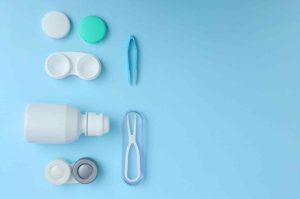
Discover expert tips for optimal contact lens comfort in Nigeria. Learn how to care for your contact lenses properly and ensure a comfortable wearing experience.

Conclusion:

Contact lenses can provide you with clear and comfortable vision, but they also require proper care and attention. If you experience any contact lens discomfort, contact lens discomfort is a common issue faced by wearers in Nigeria. However, with the right practices and awareness, it can be effectively managed. Contact lens wearers can enjoy a comfortable and clear vision in Nigeria by adopting proper hygiene, attending regular eye exams, using preservative-free solutions, cleaning lenses diligently, choosing high-quality materials, practicing appropriate handling techniques, and considering environmental factors.


Read more

Why Nigerians Prefer Recommended Glasses Instead of Contact Lenses

Nigeria is a country with a large population of people who need vision correction. According to a 2019 study, the prevalence of refractive errors in Nigeria was 17.5%, with myopia (nearsightedness) being the most common condition. However, many Nigerians prefer to wear recommended glasses instead of contact lenses for various reasons. In this article, we will explore some of the factors that influence this choice and how glasses can benefit Nigerians with vision problems.

Cataract Surgery Following LASIK in Nigeria

Cost and Availability

One of the main reasons why Nigerians embrace glasses over contacts is the cost and availability of the products. Glasses are generally cheaper than contact lenses over the long term, especially for those who need frequent prescription changes or have complex vision problems. Glasses also do not require additional expenses such as cleaning solutions, storage cases, or eye drops that contact lenses do.

Moreover, glasses are more accessible than contact lenses in Nigeria, where the eye care system is underdeveloped and unevenly distributed¹. Many Nigerians live in rural areas where there are few or no eye care facilities or professionals. Glasses can be easily obtained from local vendors or online platforms, while contact lenses may require a visit to an eye doctor or a specialized store. Glasses also do not need regular replacement or follow-up visits, unlike contact lenses, they have a limited lifespan and can cause complications if not properly fitted or cared for.

Why Nigerians Embrace Recommended Glasses Instead of Contact Lenses

Convenience and Comfort

Another reason why Nigerians embrace glasses over contacts is the convenience and comfort that glasses offer. Glasses are easy to use and maintain, as they only require occasional cleaning and adjustment. Glasses can also be taken off or put on at any time, depending on the situation or preference of the wearer. For example, glasses can be removed when sleeping, swimming, or doing other activities that may damage or dislodge the lenses.

On the other hand, contact lenses can be more challenging and time-consuming to use and maintain. Contact lenses require proper hygiene and handling, as they can harbor bacteria and dirt that can cause eye infections or irritation. Contact lenses also need to be inserted and removed carefully, which can be difficult for some people or in some environments. For instance, contact lenses can be problematic in dusty or windy conditions, or in places where there is no access to clean water or a mirror.

Furthermore, glasses can be more comfortable than contact lenses for some people, especially those who have dry or sensitive eyes. Glasses do not touch the eyes, so they do not interfere with the natural tear film or cause dryness or redness. Glasses also protect from external factors such as dust, wind, or sunlight that can irritate the eyes. Contact lenses, however, can reduce the oxygen supply to the eyes, which can lead to dryness, inflammation, or infection. Contact lenses can also cause discomfort or pain if they are not fitted properly, or if they move or tear inside the eyes.

UNDERSTANDING THE CULTURAL AND SOCIAL FACTORS AFFECTING VISION CARE IN NIGERIA

Health and Safety

A third reason why Nigerians embrace glasses over contacts is the health and safety that glasses provide. Glasses can help to correct vision problems and improve eye health, as they can prevent eye strain, headaches, or fatigue that can result from uncorrected refractive errors. Glasses can also prevent or slow down the progression of some eye conditions, such as myopia, by reducing the amount of near work or screen time that can worsen the condition.

Additionally, glasses can reduce the risk of eye infections or complications that can be caused by contact lenses. Contact lenses can introduce foreign bodies or microorganisms into the eyes, which can lead to serious problems such as conjunctivitis, keratitis, or corneal ulcers. Contact lenses can also cause corneal abrasions or scratches, which can impair vision or increase the risk of infection. Glasses, on the other hand, do not pose these risks, as they do not touch the eyes or introduce any foreign substances.

Moreover, glasses can reduce the risk of coronavirus transmission, which is a major concern in Nigeria and around the world. The American Academy of Ophthalmology (AAO) advises that contact lens wearers consider switching to eyeglasses during the coronavirus pandemic. This is because wearing glasses can reduce the need to touch the eyes, which can reduce the likelihood of contracting or spreading the virus. Glasses can also act as a barrier that can protect the eyes from respiratory droplets that may contain the virus.

If you are in Nigeria and struggling with dry eyes caused by contact lenses, this guide offers effective tips and remedies to relieve discomfort and improve your eye health. Discover how to find relief and keep your eyes comfortable while wearing contact lenses in Nigeria.

Style and Preference

A final reason why Nigerians embrace glasses over contacts is the style and preference that glasses offer. Glasses are more than just a functional device, they are also a fashion accessory that can enhance the appearance and personality of the wearer. Glasses come in various shapes, sizes, colors, and styles, so there is something for everyone. Glasses can also be customized to suit the needs and tastes of the wearer, such as having lenses that darken in sunlight or having a coating that protects the eyes from glare.

Furthermore, glasses can reflect the preference and identity of the wearer, as they can express their individuality, mood, or attitude. Glasses can also be a source of confidence and pride, as they can make the wearer feel more comfortable and attractive. Contact lenses, however, do not offer the same level of style and preference, as they are mostly invisible and uniform. Contact lenses can also be less appealing to some people, as they may feel unnatural or uncomfortable wearing something inside their eyes.

The Connection Between Autoimmune Diseases and Vision Loss in Nigeria

Conclusion

In conclusion, there are many reasons why Nigerians embrace recommended glasses instead of contact lenses. Glasses are more cost-effective, accessible, convenient, comfortable, healthy, safe, stylish, and preferable than contact lenses for many Nigerians. Glasses can also help to correct vision problems and improve eye health, as well as protect the eyes from external factors and coronavirus transmission. Therefore, glasses are a better option than contact lenses for Nigerians who need vision correction.

Read more

Lens Care Hacks Every Nigerian Should Know

Proper lens care is essential for maintaining good eye health and maximizing the lifespan of your eyeglasses or contact lenses. In Nigeria, where the climate and environmental conditions can pose unique challenges, it is crucial to be knowledgeable about lens care hacks that can help you keep your lenses clean, clear, and comfortable. In this article, we will explore some engaging and creative lens care hacks that every Nigerian should know, backed by facts and figures.

Taking care of your lenses is essential for good eye health. In this article, we share lens care hacks specifically tailored to the needs of Nigerians, helping you keep your lenses clean and comfortable.

  1. Clean Your Lenses Regularly

Regular lens cleaning is vital for preventing the buildup of dirt, oils, and debris that can affect vision and cause discomfort. According to a study conducted by the American Academy of Ophthalmology, dirty lenses can reduce visual acuity by up to 40%. To clean your lenses effectively, use a mild soap or lens cleaning solution recommended by your eye care professional. Avoid using harsh chemicals or household cleaners, as they can damage the lens coatings.

  1. Protect Your Lenses from Scratches

Scratches on your lenses can not only affect your vision but also reduce the longevity of your eyewear. One creative hack to protect your lenses is to store them in a dedicated case when not in use. Additionally, avoid placing your glasses face down on hard surfaces and use a microfiber cloth or lens cleaning cloth to wipe away dust or debris gently.

  1. Handle Contact Lenses with Clean Hands

For contact lens wearers, proper hygiene is crucial to prevent eye infections and discomfort. Always wash your hands thoroughly with soap and water before handling your contact lenses. According to the Centers for Disease Control and Prevention (CDC), improper handling of contact lenses is a significant risk factor for eye infections, with an estimated 1 in 500 contact lens wearers developing a serious infection each year.

Taking care of your lenses is important for maintaining good eye health. In this article, we will share lens care hacks that are specifically tailored for Nigerians, considering the unique environmental and cultural factors that may affect lens wearers in the country.

  1. Replace Contact Lens Cases Regularly

Contact lens cases can harbor bacteria and fungi if not cleaned and replaced regularly. The American Optometric Association recommends replacing your contact lens case every three months or sooner. To clean your case, rinse it with sterile solution or contact lens solution, and let it air dry. Avoid using tap water or saliva to rinse your case, as they can introduce harmful microorganisms.

  1. Protect Your Lenses from Extreme Environments

Nigeria’s climate can be challenging for lens wearers, with high humidity, dust, and heat. To protect your lenses, consider wearing sunglasses with UV protection when outdoors to shield your eyes and lenses from harmful UV rays. When in dusty or windy environments, consider wearing wraparound glasses or goggles to prevent dust particles from coming into contact with your lenses.

  1. Avoid Excessive Heat and Moisture

Excessive heat and moisture can damage lens coatings and lead to warping or clouding of lenses. Avoid leaving your glasses or contact lenses in hot cars, saunas, or steamy bathrooms. Additionally, remove your contact lenses before swimming or showering to prevent them from coming into contact with water that may contain harmful microorganisms.

Taking care of your lenses is important for maintaining good eye health. In this article, we will share lens care hacks that are specifically tailored for Nigerians, considering the unique environmental and cultural factors that may affect lens wearers in the country.

  1. Schedule Regular Eye Exams

Regular eye exams are crucial for maintaining good eye health and ensuring that your prescription is up to date. According to the World Health Organization (WHO), approximately 75% of visual impairments are preventable or treatable with proper eye care. By scheduling regular eye exams, you can address any vision changes promptly and ensure that your lenses are providing optimal vision correction.

Taking care of your lenses is important for maintaining good eye health. In this article, we will share lens care hacks that are specifically tailored for Nigerians, considering the unique environmental and cultural factors that may affect lens wearers in the country.

Conclusion

Proper lens care is essential for maintaining good eye health and maximizing the lifespan of your eyeglasses or contact lenses. By following these engaging and creative lens care hacks, every Nigerian can ensure clear vision, comfort, and longevity of their lenses. Remember to clean your lenses regularly, protect them from scratches, handle contact lenses with clean hands, replace contact lens cases, protect them from extreme environments, avoid excessive heat and moisture, and schedule regular eye exams.  Remember to also visit your eye doctor regularly for check-ups and updates on your prescription. If you experience any signs of eye problems, such as redness, pain, discharge, or blurred vision, remove your lenses immediately and seek medical attention. By incorporating these lens care hacks into your routine, you can enjoy optimal vision and eye health in Nigeria’s unique climate and environmental conditions.

Read more

Professional Eye Care Services

In a world where what distinguishes one business from the other is the level of professionalism that goes into servicing clients, Eyelanders Nigeria as defined standards and continues to lead the way.

Professional service and a quick turnaround strategy from our skilled and dedicated team of individuals backed with years of great expertise ensure that we provide our clients with the world-class services they deserve. Our pragmatic and customer-focused approach makes us the preferred eye care organisation in Nigeria.

In addition to these, we are also cognisant of industry best practices in all our transactions and dealings which has been a part of our core values.

Below are some things you should know about us;

  • Guaranteed Confidentiality: We maintain the utmost level of confidentiality when dealing with client data and information and do not share any of these with a third party organisation for marketing purposes or otherwise.
  • Patented Service: Our team of experts provides clients with tailor-made services designed for the individual client as we recognise that client needs vary.
  • Professional Approach: We have a team with a high degree of professionals, who are experts in the respective fields for identifying eye problems, prescriptions and advanced treatments.
  • Our current partnerships and client interactions speak volumes as we have been trading and doing business with these organisations/individuals for a number of years now.

    Read more