
Modernizing Eye Care in Nigeria for Better Vision
Imagine the life of a child, eyes straining to see the blackboard in a crowded classroom. He dreams of becoming a doctor, a teacher, or an engineer, but his blurry vision turns simple tasks into Herculean challenges. His potential is immense, yet without proper eye care, his future is uncertain. This story is not unique; it echoes in the lives of countless Nigerian children, adults, and the elderly.
In the heart of Africa, Nigeria, a nation of over 200 million people, is undergoing a quiet revolution. This revolution isn’t marked by political upheaval or industrial advancement, but by a profound transformation in healthcare—specifically, eye care. The journey to modernize eye care in Nigeria is a compelling narrative of hope, resilience, and innovation, aimed at ensuring every Nigerian can see the world clearly and live their life to the fullest.
The Current State of Eye Care in Nigeria
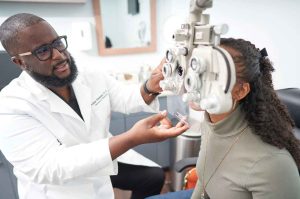
Nigeria faces significant challenges in the realm of eye health. According to the World Health Organization (WHO), an estimated 4.25 million Nigerians suffer from moderate to severe visual impairment, and around 1 million are blind. The major causes of blindness and visual impairment in Nigeria include cataracts, glaucoma, refractive errors, and age-related macular degeneration.
Access to quality eye care is uneven, with rural areas particularly underserved. The Nigerian National Blindness and Visual Impairment Survey (2005-2007) found that blindness prevalence in rural areas is 1.1%, compared to 0.7% in urban areas. This disparity is largely due to the concentration of eye care facilities and professionals in urban centers, leaving rural populations with limited or no access to essential services.
Traditional Eye Care Practices: A Cultural Perspective
Traditionally, eye care in Nigeria has been influenced by cultural practices and beliefs. Herbal remedies and spiritual healing have been common, especially in rural communities where access to modern healthcare is limited. While some traditional methods have shown anecdotal success, many lack scientific validation and can lead to adverse outcomes.
For instance, the use of herbal eye drops, known locally as “agbo,” is widespread. These concoctions, made from various plants and herbs, are believed to cure eye ailments. However, without proper formulation and sterilization, they can cause severe infections and exacerbate eye conditions. Educating communities about the potential risks of unverified traditional treatments is crucial in transitioning to modern eye care practices.
The Advent of Modern Eye Care
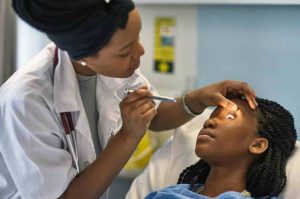
The shift towards modern eye care in Nigeria began gaining momentum in the late 20th century. Government initiatives, non-governmental organizations (NGOs), and private sector investments have all played pivotal roles in this transformation. The National Eye Health Programme, established in 1999, marked a significant step towards integrating eye care into the national health system. This program focuses on preventing blindness and visual impairment through public awareness, early detection, and treatment.
Moreover, international organizations like Sightsavers and the International Agency for the Prevention of Blindness (IAPB) have been instrumental in supporting eye health initiatives in Nigeria. These organizations have funded projects to provide free or subsidized eye surgeries, distribute eyeglasses, and train local healthcare workers.
Technological Innovations in Nigerian Eye Care
Technology is revolutionizing eye care in Nigeria, making advanced diagnostics and treatments more accessible. Here are some key technological advancements driving this change:
- Telemedicine: Telemedicine is bridging the gap between urban and rural healthcare. It allows eye care specialists in urban centers to consult with patients in remote areas via video conferencing. This not only saves time and travel costs but also ensures that patients receive timely and accurate diagnoses. According to a 2021 report by the Nigeria Health Watch, telemedicine consultations in eye care have increased by 60% since the onset of the COVID-19 pandemic, demonstrating its growing acceptance and utility.
- Mobile Eye Clinics: Mobile eye clinics are bringing eye care to the doorstep of underserved populations. These clinics are equipped with the latest diagnostic tools and staffed by trained professionals who can perform eye exams, dispense eyeglasses, and even conduct minor surgeries. A notable example is the “Vision Van” initiative by the Tulsi Chanrai Foundation, which has reached over 500,000 people in rural Nigeria.
- Affordable Eyewear: One of the barriers to good vision is the cost of eyeglasses. Innovative solutions like Essilor’s “Vision For Life” program are making eyewear more affordable and accessible. Essilor, in partnership with local organizations, has distributed over 250,000 eyeglasses in Nigeria, significantly improving the quality of life for many.
- Advanced Surgical Techniques: The introduction of advanced surgical techniques and equipment has greatly improved outcomes for patients with cataracts and other eye conditions. The use of phacoemulsification, a modern cataract surgery technique, has reduced recovery times and complications. According to the Nigerian National Blindness and Visual Impairment Survey, cataract surgeries have increased by 30% in the last decade, thanks to these advancements.
Training and Education: Building a Skilled Workforce
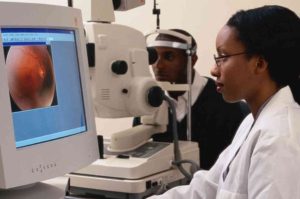
A significant challenge in modernizing eye care in Nigeria is the shortage of trained eye care professionals. According to the Nigerian Optometric Association, there are fewer than 5,000 optometrists and ophthalmologists serving the entire population. This translates to roughly one eye care professional for every 40,000 Nigerians, far below the WHO recommendation of one per 10,000.
Addressing this shortfall requires a multi-faceted approach:
- Local Training Programs: Establishing more training institutions and expanding existing programs is essential. The Nigerian government, in collaboration with international partners, has launched several initiatives to train optometrists, ophthalmologists, and ophthalmic nurses. The Nigeria College of Ophthalmology, for example, has increased its intake of trainees by 50% over the past five years.
- Continuing Professional Development: Ensuring that eye care professionals stay abreast of the latest advancements is crucial. Regular workshops, seminars, and online courses can help practitioners maintain and enhance their skills. The African Eye Institute offers online courses in advanced eye care practices, which have been well-received by Nigerian professionals.
- Community Health Workers: Training community health workers to perform basic eye care tasks can alleviate the burden on specialists. These workers can conduct vision screenings, provide educational outreach, and refer patients to higher-level care when necessary. The “Seeing is Believing” initiative by Standard Chartered Bank has trained over 1,000 community health workers in Nigeria, significantly expanding the reach of eye care services.
Public Awareness and Advocacy
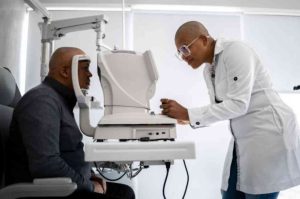
Raising public awareness about eye health is a critical component of modernizing eye care in Nigeria. Many people are unaware of the importance of regular eye exams and the availability of treatments for common eye conditions. Public education campaigns can address these gaps in knowledge and encourage proactive eye care behaviors.
- Media Campaigns: Utilizing television, radio, and social media to disseminate information about eye health can reach a broad audience. The Nigerian Optometric Association’s annual “World Sight Day” campaigns have successfully highlighted the importance of eye health, reaching millions of Nigerians through various media channels.
- School Programs: Integrating eye health education into school curricula can instill good habits from a young age. Vision screening programs in schools can also identify children with visual impairments early, ensuring they receive timely treatment. A study by the Brien Holden Vision Institute found that school-based eye health programs in Nigeria have reduced the prevalence of uncorrected refractive errors in children by 20%.
- Community Outreach: Community-based programs that engage local leaders and influencers can effectively promote eye health. Workshops and informational sessions conducted in local languages can resonate more deeply with communities. The “Vision 2020: The Right to Sight” initiative has been particularly successful in this regard, conducting numerous outreach programs across Nigeria.
The Road Ahead: Challenges and Opportunities
While significant progress has been made in modernizing eye care in Nigeria, challenges remain. Funding constraints, inadequate infrastructure, and persistent cultural barriers continue to impede progress. However, these challenges also present opportunities for growth and innovation.
- Increased Investment: Sustained investment from both the public and private sectors is crucial. The Nigerian government’s commitment to allocating more resources to healthcare, coupled with international aid and private sector involvement, can ensure that eye care initiatives receive the necessary funding.
- Leveraging Technology: Continued investment in technology can further enhance the reach and efficiency of eye care services. Expanding telemedicine capabilities, developing more mobile clinics, and leveraging artificial intelligence for diagnostics are promising avenues.
- Strengthening Partnerships: Collaborations between government, NGOs, international organizations, and the private sector can drive comprehensive and sustainable improvements in eye care. Shared resources, expertise, and goals can amplify the impact of individual efforts.
- Policy Advocacy: Advocating for policies that prioritize eye health is essential. Establishing regulatory frameworks that support the integration of eye care into primary healthcare, mandating regular vision screenings, and subsidizing eye care services can create an enabling environment for progress.
Conclusion: A Vision for the Future
The journey to modernize eye care in Nigeria is one of hope and resilience. It is about transforming lives by ensuring that every Nigerian, regardless of their location or socioeconomic status, has access to quality eye care. Through technological innovation, increased investment, education, and collaboration, Nigeria is making strides towards a future where clear vision is a reality for all.
As we look to the future, it is essential to remember that the gift of sight is more than a physical ability; it is a gateway to opportunities and a better quality of life. By continuing to modernize eye care, we are not just improving vision; we are illuminating paths to brighter, more vibrant futures for millions of Nigerians. Together, we can make this vision a reality.