
The Impact of Diabetes on LASIK Eligibility in Nigeria

Diabetes is a common and serious health condition that affects millions of people worldwide, including in Nigeria. For individuals with diabetes, maintaining good eye health is crucial to prevent vision-related complications. In this blog post, we will explore the impact of diabetes on LASIK eligibility in Nigeria and discuss the importance of specialized vision care for diabetic patients. Understanding the link between diabetes and vision care is essential for effective management and prevention of diabetic eye conditions. Let’s delve into the challenges faced by patients with diabetes seeking LASIK and the benefits of vision care services like Eyelanders Eye Care Company, for diabetic patients in Nigeria.
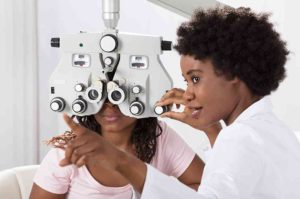
The Connection Between Autoimmune Diseases and Vision Loss in Nigeria

Understanding the Link Between Diabetes and Vision Care in Nigeria

Diabetes can have a significant impact on vision care in Nigeria, leading to complications such as diabetic retinopathy.

Regular eye exams are essential for early detection and management of diabetic eye conditions.

Eyelanders with diabetes need specialized vision care to prevent vision loss and maintain eye health.

Proper management of diabetes can help reduce the risk of vision-related complications.

Challenges Faced by Patients with Diabetes Seeking LASIK

Diabetic patients may face challenges with LASIK eligibility due to fluctuating vision and increased risk of complications.

  • Finding an eye care company in Nigeria experienced in treating diabetic patients is crucial for successful LASIK outcomes.
  • Comprehensive pre-operative assessments are necessary to ensure diabetic patients are suitable candidates for LASIK.
  • Education on the potential risks and benefits of LASIK for diabetic patients is essential to make informed decisions.

LASIK is a popular elective eye surgery, but diabetes can impact eligibility. Learn more about how diabetes may affect LASIK eligibility in Nigeria and what precautions to take.

Benefits of Vision Care Services for Diabetic Patients in Nigeria

Vision care services play a crucial role in helping diabetic patients in Nigeria maintain good eye health and prevent vision loss. Here are some key benefits:

  • Early Detection: Regular eye exams can help detect diabetic eye conditions early, allowing for prompt treatment and management.
  • Treatment: Specialized vision care services tailored to diabetic patients’ needs can help in treating and managing diabetic retinopathy and other eye complications.
  • Prevention: By monitoring eye health regularly, diabetic patients can take preventive measures to avoid vision-related complications.
  • Improvement in Quality of Life: Proper vision care can improve the overall quality of life for diabetic patients by maintaining good vision and eye health.
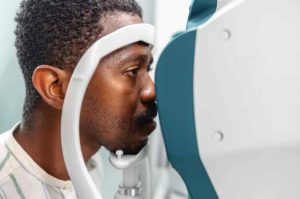
Understanding the cultural and social factors affecting vision care in Nigeria is crucial in addressing the challenges and barriers to access and quality eye health services. Learn more about these factors and their impact on vision care in Nigeria.

Choosing the Right Eye Care Company in Nigeria for Diabetic Patients

Selecting an eye care company with experience in treating diabetic patients is crucial for quality vision care outcomes. Look for certifications and accreditations in diabetic eye care to ensure the eye care company meets industry standards. Seek recommendations from healthcare professionals or fellow diabetic patients for reputable eye care companies in Nigeria. Consider the range of services offered and the expertise of the ophthalmologists in managing diabetic eye conditions when choosing an eye care company.

Factors to Consider Before Undergoing LASIK as a Diabetic in Nigeria

Consultation with an ophthalmologist experienced in treating diabetic patients is essential before considering LASIK.

Factors such as stable blood sugar levels, overall eye health, and potential risks should be evaluated before undergoing LASIK.

Understanding the impact of diabetes on LASIK outcomes and the importance of post-operative care is crucial for diabetic patients.

Discuss alternative vision correction options with your ophthalmologist if LASIK is not suitable due to diabetes-related factors.

Age-related Macular Degeneration (AMD) can impact your vision and ability to drive safely in Nigeria. Learn about the risks and precautions to take while driving with AMD.

Navigating Vision Correction Options for Patients with Diabetes

Exploring Alternative Vision Correction Options

Diabetic patients may explore other vision correction options if LASIK is not recommended due to their condition. Some alternative options include:

  • PRK (Photorefractive Keratectomy): A procedure that reshapes the cornea to correct vision without creating a flap.
  • LASEK (Laser Epithelial Keratomileusis): Similar to PRK but with the creation of a thinner flap on the cornea.
  • Implantable Contact Lenses: Lenses that are surgically implanted into the eye to correct vision.

Considerations for Each Option

Diabetic patients must discuss the benefits and risks of each vision correction option with their ophthalmologist. Factors to consider when choosing an alternative to LASIK include:

  1. Stability of Blood Sugar Levels: Ensure that blood sugar levels are well-controlled to support healing after the procedure.
  2. Overall Eye Health: The condition of the eyes and any pre-existing eye conditions should be considered before undergoing an alternative procedure.
  3. Potential Risks: Understand the risks associated with each procedure and how they may impact diabetic patients specifically.

Personalized Recommendations

Due to the unique nature of each patient’s condition, personalized recommendations from an ophthalmologist are key in choosing the most suitable vision correction option. These recommendations will be based on the individual’s eye health, diabetes management, and lifestyle factors.

Telehealth is transforming the way patients access eye care by providing convenient and accessible virtual appointments. Discover how this technology is revolutionizing eye care accessibility and improving patient outcomes.

Regular Follow-ups and Monitoring

After undergoing an alternative vision correction procedure, diabetic patients should schedule regular follow-up appointments with their ophthalmologist. Monitoring the effectiveness and safety of the procedure is essential in ensuring optimal vision outcomes and overall eye health.

The Role of Regular Eye Exams in Managing Diabetes-Related Vision Issues

Regular eye exams are crucial for early detection and monitoring of diabetes-related eye conditions such as diabetic retinopathy. These exams allow ophthalmologists to assess the progression of diabetic eye issues and adjust treatment plans accordingly.

Early intervention through regular eye exams can prevent vision loss and improve overall eye health for diabetic patients. By detecting any changes in the eyes early, ophthalmologists can provide timely treatment and minimize the impact of diabetes on vision.

  • Regular eye exams are essential for diabetic patients to monitor their eye health and address any vision changes promptly.
  • These exams help in identifying potential complications early, allowing for timely management and intervention.
  • Educational resources and support for diabetic patients can promote the importance of regular eye exams in managing diabetes-related vision issues.

Top Tips for Maintaining Healthy Vision for Diabetic Patients in Nigeria

  • Maintain stable blood sugar levels: Proper diet, exercise, and medication can help reduce the risk of diabetic eye complications.
  • Quit smoking and limit alcohol consumption: Protect vision and overall eye health by avoiding smoking and limiting alcohol intake.
  • Follow a healthy lifestyle: Regular exercise, adequate sleep, and stress management techniques support optimal eye health.
  • Attend regular eye exams: Monitor eye health and address any vision changes promptly by attending regular eye exams and screenings.
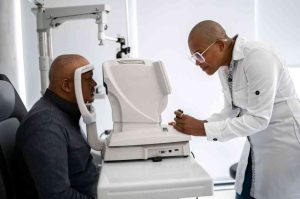
Choosing the right eye allergy medications in Nigeria involves considering factors such as effectiveness, safety, affordability, and availability

Future Outlook on Vision Care for Patients with Diabetes in Nigeria

Advancements in technology and treatment options are expected to improve vision care outcomes for diabetic patients in Nigeria. Collaboration between eye care companies, healthcare professionals, and diabetic patients can drive innovation and tailored solutions for vision care in Nigeria.

Increased awareness and education on diabetes-related eye conditions can empower diabetic patients to prioritize their eye health and seek timely care. Research and development efforts focusing on diabetic eye care are likely to enhance preventive measures and treatment strategies for diabetic patients in Nigeria.

Conclusion

The impact of diabetes on LASIK eligibility in Nigeria highlights the importance of specialized vision care for diabetic patients. Understanding the link between diabetes and vision care, recognizing the challenges faced by patients with diabetes seeking LASIK, and exploring the benefits of vision care services are all essential in managing diabetic eye conditions. Choosing the right eye care company, considering factors before undergoing LASIK, and navigating vision correction options are key steps for diabetic patients in Nigeria. Regular eye exams and maintaining healthy vision through lifestyle choices are crucial for managing diabetes-related vision issues. With advancements in technology and collaborative efforts, the future outlook on vision care for patients with diabetes in Nigeria is promising. By prioritizing eye health and seeking timely care, diabetic patients can maintain optimal vision and overall well-being in the long run.


Read more

How to Protect Your Eyes While Using Digital Devices in Nigeria

In the heart of Nigeria, where the pulsating rhythm of tradition meets the dynamic beats of the digital age, our eyes become the silent narrators of a captivating tale. As we immerse ourselves in the digital landscape, from the glow of smartphones to the luminosity of laptops, a profound connection emerges – a connection that intertwines the essence of our cultural roots with the ever-evolving dance of technology. In this guide, we embark on a journey of preservation, a journey that transcends the practicality of eye protection to become a narrative of emotional resonance. Here, the vibrant spirit of Nigeria converges with the luminous screens that weave our daily stories, and the well-being of our vision emerges not just as a physical necessity but as a testament to the delicate balance we seek in embracing both tradition and the brilliance of the digital future. Join us as we navigate the intricate tapestry of eye care in Nigeria, where the warmth of our heritage harmonizes with the glow of our digital devices, and the protection of our eyes becomes a symbolic ode to the richness of our cultural identity.

Learn about the importance of protecting your eyes while using digital devices in Nigeria and discover practical tips and techniques to reduce eye strain and promote eye health in the digital age.

Understanding the Risks of Digital Device Usage

Excessive digital device usage can lead to eye strain and discomfort. The constant staring at screens can cause the eye muscles to become fatigued, leading to symptoms such as headaches, dry eyes, and blurred vision.

Prolonged exposure to digital screens can also contribute to dry eyes, as blinking reduces significantly when using digital devices. This can result in eye irritation, redness, and a feeling of grittiness in the eyes.

Tips for Reducing Eye Strain and Discomfort

When using digital devices in Nigeria, it’s essential to take steps to protect your eyes and avoid discomfort. Here are some helpful tips:

  • Adjust screen brightness: Lower the brightness of your screen to reduce eye strain. A bright screen can put unnecessary strain on your eyes, so find a comfortable level.
  • Take regular breaks: Remember to take frequent breaks to rest your eyes. Staring at a screen for extended periods can cause discomfort, so try following the 20-20-20 rule – every 20 minutes, look away from the screen at something 20 feet away for at least 20 seconds.
  • Use the 20-20-20 rule: Every 20 minutes, look away from the screen at something 20 feet away for at least 20 seconds.
  • Follow proper ergonomics: Maintain a comfortable posture and position your device at eye level to avoid strain on your neck and eyes.
  • Blink frequently: Remember to blink regularly while using digital devices. Blinking helps prevent dry eyes, keeping them moist and comfortable.

Learn about the importance of protecting your eyes while using digital devices in Nigeria and discover practical tips and techniques to reduce eye strain and promote eye health in the digital age.

The Impact of Blue Light on Eye Health

Blue light emitted from digital devices can have a detrimental effect on your eye health. The high energy blue light can penetrate the retina and cause damage over time. It can lead to digital eye strain, which includes symptoms like dry eyes, blurred vision, and headaches.

To protect your eyes from blue light, you can take several precautions:

  • Use blue light filters or install apps that filter out blue light on your devices. This can help reduce the amount of blue light reaching your eyes.
  • Consider wearing special glasses with blue light protection when using digital devices for extended periods. These glasses can block the harmful blue light and provide relief for your eyes.

By taking these measures, you can reduce the potential damage caused by blue light and protect your vision in Nigeria.

Learn about the importance of protecting your eyes while using digital devices in Nigeria and discover practical tips and techniques to reduce eye strain and promote eye health in the digital age.

Choosing the Right Digital Device Settings

When using digital devices, it is important to adjust the settings to ensure optimal eye health. Here are some tips:

Adjust Font Size and Contrast

Reading small text on digital screens can strain the eyes. Increase the font size to make it easier to read. Additionally, adjust the contrast settings to ensure that the text is clear and easy to distinguish from the background.

Reduce Screen Glare

Glare from the screen can contribute to eye strain. Position the screen in a way that reduces reflections and glare from windows or other light sources. Consider using an anti-glare screen filter for added protection.

By choosing the right digital device settings, you can minimize eye strain and discomfort while using digital devices in Nigeria.

Learn about the importance of protecting your eyes while using digital devices in Nigeria and discover practical tips and techniques to reduce eye strain and promote eye health in the digital age.

Importance of Regular Eye Breaks

Taking breaks from digital device usage allows the eyes to rest and recover. Continuous staring at screens can cause eye strain and fatigue. By taking short breaks every 20 minutes, you can give your eyes a chance to relax.

Frequent blinking during breaks can also help prevent dry eyes. When we stare at screens, we tend to blink less, which can lead to dryness and discomfort in the eyes. Remember to consciously blink and moisturize your eyes during breaks.

Proper Lighting for Optimal Eye Health

One important factor in protecting your eyes while using digital devices is proper lighting. Bright overhead lights can cause glare on the screen and contribute to eye strain. Instead, opt for ambient lighting that provides a more gentle and even illumination.

In addition to the right type of lighting, it’s also crucial to consider the positioning of your screen. Avoid placing your device in direct sunlight or front of bright windows, as the glare can strain your eyes. Position the screen in a way that minimizes the reflection of light sources.

Learn about the importance of protecting your eyes while using digital devices in Nigeria and discover practical tips and techniques to reduce eye strain and promote eye health in the digital age.

Eye Exercises to Alleviate Strain

Eye strain and discomfort can be relieved through the following eye exercises:

  • Blinking exercises: Regularly blink your eyes for a few seconds to help moisturize them and prevent dryness.
  • Eye rolling exercises: Gently roll your eyes in a circular motion, first clockwise and then counterclockwise. This can relieve tension and reduce eye strain.

By incorporating these simple exercises into your routine, you can alleviate strain and improve your eye health while using digital devices.

Seeking Professional Eye Care in Nigeria

It is important to prioritize your eye health by scheduling regular eye check-ups with an optometrist. They can detect any early signs of eye strain or discomfort and provide appropriate treatment. Additionally, they can recommend specialized eye care options for digital device usage.

If you frequently use digital devices, it may be beneficial to get a prescription for computer glasses. These glasses are specifically designed to provide customized eye protection while using screens. They can help reduce eye strain, minimize glare, and protect against blue light emitted from digital devices.

Learn about the importance of protecting your eyes while using digital devices in Nigeria and discover practical tips and techniques to reduce eye strain and promote eye health in the digital age.

Conclusion

Protecting your eyes while using digital devices in Nigeria is crucial for maintaining optimal eye health. Excessive digital device usage can lead to eye strain, discomfort, dry eyes, and blurred vision. However, there are several simple steps you can take to protect your eyes.

Adjusting the screen brightness, taking regular breaks to rest your eyes, and using blue light filters or special glasses can all help reduce eye strain and protect your eyes from the harmful effects of blue light. Choosing the right digital device settings, such as adjusting font size and contrast, and reducing screen glare can also make a significant difference.

Taking regular eye breaks not only allows your eyes to rest and recover but also prevents dry eyes. Proper lighting, such as using ambient lighting instead of bright overhead lights and positioning your screen to avoid glare, is also essential for optimal eye health.

Incorporating eye exercises into your daily routine, such as blinking exercises to moisturize the eyes and prevent dryness and eye-rolling exercises to relieve tension and reduce eye strain, can provide additional relief.

However, while these tips and practices can help alleviate strain and protect your eyes to some extent, it’s important to seek professional eye care in Nigeria. Regular eye check-ups with an optometrist can detect and address any eye issues early on, and getting a prescription for computer glasses can provide customized eye protection.

By following these steps and seeking professional eye care, you can take proactive measures to protect your eyes while using digital devices in Nigeria and maintain good eye health in the long run.

Read more