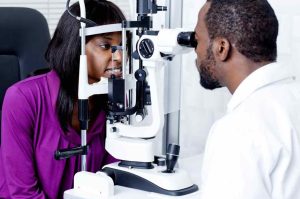
The Ultimate Guide to Eye Health Coverage by HMOs in Nigeria

In Nigeria, the focus on eye health has often been overshadowed by the pressing demands of infectious diseases and general healthcare challenges. However, a gradual but significant shift is occurring as Health Maintenance Organizations (HMOs) increasingly recognize the importance of vision care. The integration of eye health benefits into HMO packages represents a pivotal change that addresses both immediate and long-term healthcare needs of Nigerians.

The Importance of Eye Health

Vision is a critical aspect of overall health and well-being. The World Health Organization (WHO) estimates that over 2.2 billion people globally have a vision impairment or blindness, with at least one billion cases being preventable or treatable. In Nigeria, the situation is similarly dire. According to the Nigerian National Blindness and Visual Impairment Survey, approximately 4.25 million adults aged 40 years and above are visually impaired, with 1.13 million being blind.

Unaddressed vision problems can lead to severe consequences, including reduced quality of life, loss of productivity, and increased healthcare costs. For children, poor vision can impair learning and development, potentially limiting future opportunities. For adults, especially the elderly, it can lead to accidents, social isolation, and an overall decline in health. Thus, the emphasis on eye health is not just a medical necessity but a socio-economic imperative.

By monitoring the health of your eyes through regular eye exams, you can ensure that any signs of diabetic retinopathy are addressed promptly. This proactive approach can help in preserving your vision and overall eye health.

The Role of HMOs in Nigerian Healthcare

Health Maintenance Organizations (HMOs) are pivotal in the Nigerian healthcare system. They provide a structured way for individuals and employers to access health services through prepaid plans. HMOs manage healthcare financing and delivery, ensuring that members receive necessary medical services without facing prohibitive costs at the point of care.

Historically, HMO packages in Nigeria have focused on general health services, such as consultations, hospitalizations, maternal and child care, and treatments for common diseases. However, recognizing the critical need for comprehensive eye care, several HMOs are now expanding their coverage to include eye health benefits.

Integrating Eye Health into HMO Packages

The inclusion of eye health benefits in HMO packages marks a significant advancement in Nigerian healthcare. This integration involves offering routine eye exams, treatment for common eye conditions, and even surgical procedures when necessary. Here’s how some HMOs in Nigeria are prioritizing eye health:

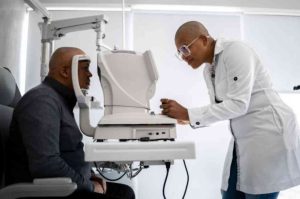
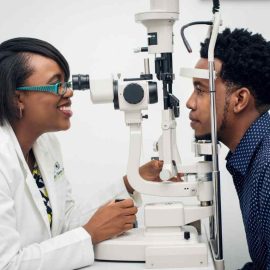
  1. Routine Eye Exams and Screenings: Regular eye exams are essential for early detection and treatment of vision problems. HMOs are increasingly covering annual or biennial comprehensive eye exams, which help identify conditions such as glaucoma, cataracts, diabetic retinopathy, and refractive errors. For instance, AXA Mansard Health, one of Nigeria’s leading HMOs, includes routine eye checks in their health plans, recognizing the need for proactive eye care.
  2. Treatment of Common Eye Conditions: Conditions like conjunctivitis, dry eyes, and minor eye infections are common and can significantly impact daily life. HMOs are now covering treatments for these ailments, ensuring that members can access necessary medications and consultations without financial strain. This approach helps in managing eye health effectively and prevents complications from untreated conditions.
  3. Surgical Interventions: For more severe conditions such as cataracts and glaucoma, surgical intervention is often required. Some Nigerian HMOs have begun to cover these procedures, either partially or fully, within their premium plans. Hygeia HMO, for example, offers coverage for cataract surgery, which is a leading cause of blindness in Nigeria. By doing so, they provide a lifeline to those who might otherwise forego such necessary interventions due to cost constraints.
  4. Specialist Referrals and Partnerships: Collaborations with eye care specialists and clinics are crucial for providing comprehensive eye health services. HMOs are forming partnerships with renowned eye hospitals and specialists to ensure that their members receive high-quality care. For example, Leadway Health HMO partners with specialized eye clinics to facilitate access to expert care for complex eye conditions.
  5. Education and Awareness Campaigns: Prevention and early intervention are key components of eye health. HMOs are increasingly engaging in educational campaigns to raise awareness about the importance of regular eye check-ups and protective measures. These initiatives are vital in a country where access to health information can be limited, and misconceptions about eye health abound.
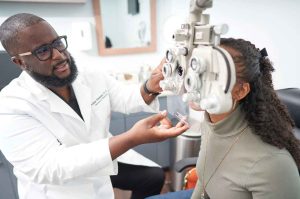
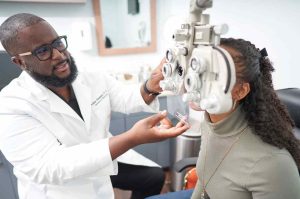
Prescription Eyewear

Impact on Public Health and Society

The prioritization of eye health by HMOs has far-reaching implications for public health and society. By ensuring that members have access to eye care services, HMOs are contributing to:

  1. Reduced Burden of Blindness and Visual Impairment: Early detection and treatment of eye conditions can significantly reduce the prevalence of blindness and visual impairment. This has a direct impact on individuals’ quality of life and their ability to contribute productively to society.
  2. Improved Quality of Life: Good vision is integral to daily living and overall well-being. By facilitating access to eye care, HMOs help individuals maintain their independence, engage in social activities, and perform tasks that require clear vision, from reading to driving.
  3. Economic Benefits: The economic impact of unaddressed vision problems is substantial. Individuals with vision impairment often experience reduced productivity and higher healthcare costs. By covering eye health services, HMOs help mitigate these economic burdens, leading to a healthier, more productive workforce.
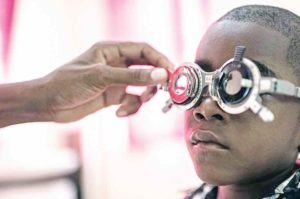
  4. Enhanced Educational Outcomes: For children, clear vision is essential for learning. By including pediatric eye exams and treatments in their plans, HMOs support better educational outcomes. This investment in eye health is an investment in the future, as children with good vision are more likely to succeed academically and pursue higher education and employment opportunities.
  5. Reduced Healthcare Costs: Preventive eye care can lead to early detection of systemic diseases such as diabetes and hypertension, which have ocular manifestations. By identifying these conditions early, overall healthcare costs can be reduced through timely intervention and management.
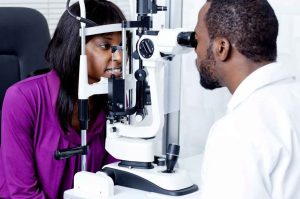
By monitoring the health of your eyes through regular eye exams, you can ensure that any signs of diabetic retinopathy are addressed promptly. This proactive approach can help in preserving your vision and overall eye health.

Challenges and Future Directions

While the integration of eye health benefits into HMO packages is a positive development, several challenges remain. These include:

  1. Awareness and Utilization: Despite the availability of eye care benefits, not all HMO members utilize these services. There is a need for continued education and outreach to ensure that members understand and take advantage of their benefits.
  2. Access and Infrastructure: In rural and underserved areas, access to quality eye care remains a challenge. HMOs must work towards improving the distribution of services and partnering with local providers to reach these populations.
  3. Cost Management: The cost of advanced eye care services, such as surgeries and specialized treatments, can be high. HMOs need to balance offering comprehensive benefits with maintaining affordability for their members.
  4. Data and Research: There is a need for more robust data on the impact of eye health benefits within HMO plans. Research and data collection can help in assessing the effectiveness of these benefits and guiding future improvements.
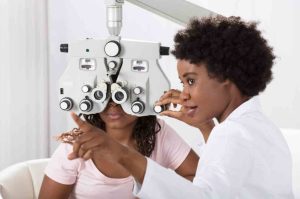
Learn about the diagnosis, detection, and treatment of corneal ectasia in Nigeria. This comprehensive guide provides valuable information on identifying and managing this condition effectively.

Conclusion

The prioritization of eye health by HMOs in Nigeria is a significant step towards improving the overall health and well-being of the population. By integrating comprehensive eye care services into their packages, HMOs are addressing a critical aspect of healthcare that has long been neglected. This move not only enhances the quality of life for individuals but also contributes to broader socio-economic benefits.

As HMOs continue to evolve and expand their offerings, the focus on eye health should remain a priority. With ongoing efforts to raise awareness, improve access, and manage costs, the future of eye health in Nigeria looks promising. This shift reflects a growing recognition that vision care is not a luxury but a necessity, integral to achieving a healthier, more productive society.

Read more

The Difference Between Optometrists, Ophthalmologists, and Opticians Explained

When it comes to taking care of your eyes, it’s important to choose the right professional for your specific needs. Understanding the difference between optometrists, ophthalmologists, and opticians can help you make an informed decision about who to trust with your eye care. In this blog post, we will explore the roles and expertise of these eye care professionals to guide you in selecting the most suitable option for maintaining good eye health.

Choosing the Right Eye Care Professional for Your Needs

When it comes to caring for your eyes, it’s important to choose the right eye care professional for your specific needs. Understanding the differences between optometrists, ophthalmologists, and opticians can help you make an informed decision that ensures the best care for your eyes.

  • Understanding the differences: Optometrists specialize in conducting eye exams and prescribing corrective lenses, while ophthalmologists are medical doctors trained in eye care and surgery. Opticians, on the other hand, help in fitting and dispensing eyeglasses and contact lenses based on prescriptions.
  • Consider your specific needs: Before choosing an eye care professional, consider your specific eye care needs. Do you need a routine eye check-up and prescription for glasses or contact lenses? Or do you have a serious eye condition that may require surgical intervention?
  • Research and inquire: Before making a decision, research and inquire about the qualifications and experience of the eye care professional. This will help ensure that you receive the best possible care for your eyes.

Telehealth is transforming the way patients access eye care by providing convenient and accessible virtual appointments. Discover how this technology is revolutionizing eye care accessibility and improving patient outcomes.

Understanding the Role of Optometrists in Eye Health

Optometrists specialize in conducting eye exams and prescribing corrective lenses for vision issues. They play a crucial role in detecting and managing common eye conditions such as myopia and astigmatism. Regular visits to optometrists can help in maintaining good eye health and preventing potential vision problems.

The Expertise of Ophthalmologists in Eye Surgeries

Ophthalmologists are highly-trained medical doctors who specialize in eye care and surgery. They possess the expertise and skills required to perform complex eye surgeries with precision and care. Some of the advanced eye surgeries that ophthalmologists are capable of performing include cataract surgery, laser eye procedures, and retinal detachment repair.

Patients with serious eye conditions that may require surgical intervention should consult an ophthalmologist for proper diagnosis and treatment. Ophthalmologists work closely with patients to determine the best course of action for their specific eye condition, ensuring the highest level of care and successful outcomes.

Understanding the cultural and social factors affecting vision care in Nigeria is crucial in addressing the challenges and barriers to access and quality eye health services. Learn more about these factors and their impact on vision care in Nigeria.

Dispelling Myths About Opticians and Their Services

Opticians are trained professionals who play a vital role in the eyecare industry, ensuring that individuals have access to the right eyewear for their vision needs. Let’s debunk some common myths surrounding opticians and clarify their essential services:

  1. Opticians Do Not Diagnose Eye Conditions

Contrary to popular belief, opticians are not qualified to diagnose or treat eye conditions. Their primary responsibility is to interpret and fill prescriptions provided by optometrists or ophthalmologists to ensure the correct lenses are fitted for optimal vision correction.

  1. Opticians Assist in Eyewear Selection and Fitting

Opticians are skilled in helping customers select the most suitable eyeglasses or contact lenses based on their prescription and lifestyle preferences. They consider factors such as frame style, lens type, and fit to ensure that the eyewear meets the individual’s visual needs and comfort.

  1. Opticians Ensure Proper Adjustment and Comfort

After selecting the appropriate eyewear, opticians meticulously adjust and fit the glasses or contact lenses to ensure maximum comfort and effectiveness. This service is crucial to prevent discomfort, eyestrain, or vision issues that may arise from poorly fitted eyewear.

By understanding the valuable role that opticians play in the eyecare process, individuals can appreciate the expertise and assistance provided by these professionals in enhancing their visual acuity and overall eye health.

Explore the significant socio-economic impact of NGOs dedicated to vision care in Nigeria. Learn about the positive changes brought about by these organizations and their efforts to improve eye health and access to vision care services in the country.

Optometrists vs. Ophthalmologists: Who Should You See?

When it comes to seeking eye care, the decision between seeing an optometrist or an ophthalmologist depends on your specific needs and concerns.

Optometrists are primary eye care providers who specialize in conducting eye exams and prescribing corrective lenses for vision issues. If you are due for a routine eye check-up or need prescription glasses, an optometrist is the right choice for you.

Ophthalmologists, on the other hand, are medical specialists trained in eye surgery and the treatment of eye diseases. If you have a specific eye condition that requires surgery or advanced treatment, consulting an ophthalmologist is essential for proper care.

Ultimately, the decision of whether to see an optometrist or an ophthalmologist depends on the nature of your eye health concerns. If in doubt, it’s best to consult with both professionals to determine the appropriate course of action for your eye care needs.

Accessing Quality Eye Care Services in Nigeria

When it comes to your eye health, it is essential to choose a reputable and experienced eye care professional in Nigeria. Consider the following factors to access quality eye care services:

  • Research reputable eye care clinics and professionals in Nigeria.
  • Check the qualifications and experience of the eye care provider.
  • Read patient reviews to get an idea of the quality of services offered.
  • Ensure that the eye care clinic has the necessary equipment and facilities to provide comprehensive eye care services.

By taking these steps and being proactive in your search for quality eye care services, you can ensure that your eye health is in good hands. Don’t hesitate to reach out to trusted professionals in Nigeria for all your eye care needs.

Conclusion

When it comes to eye care, understanding the differences between optometrists, ophthalmologists, and opticians is crucial in making informed decisions about your eye health. Optometrists play a vital role in conducting eye exams and prescribing corrective lenses, while ophthalmologists are experts in performing eye surgeries and treating serious eye conditions. Opticians, on the other hand, help in fitting and dispensing eyeglasses and contact lenses.

Whether you need a routine eye check-up or specialized treatment, it’s essential to choose the right eye care professional based on your specific needs. Researching reputable eye care clinics and professionals in Nigeria can help you access quality services and ensure optimal eye health.

Overall, prioritizing your eye health by regular visits to eye care professionals and following their recommendations can help in maintaining good vision and preventing potential eye problems in the future.

Read more

The Visionary’s Guide to Exceptional Eye Health in Nigeria

In a world filled with constant screen time and environmental challenges, taking care of your vision has never been more crucial. From the bustling streets of Lagos to the serene landscapes of Abuja, the need to prioritise eye health resonates across every corner of Nigeria.

In this comprehensive guide, we delve into the essential practices and habits that can help you safeguard your eyesight and promote optimal vision. From practical nutrition tips tailored to Nigeria’s unique culinary landscape to the importance of regular eye check-ups in bustling urban centres, we cover it all.

As we navigate through the digital age, where smartphones and computers have become ubiquitous, understanding how to protect your eyes from digital strain is paramount. We aim to equip you with actionable insights and strategies to combat the challenges posed by modern-day technology while embracing the beauty of Nigeria’s rich visual tapestry.

Join us on this enlightening journey as we unlock the secrets to maintaining good eyesight in Nigeria, empowering you to embrace a lifestyle that cherishes and preserves the gift of vision.

Learn about the diagnosis, detection, and treatment of corneal ectasia in Nigeria. This comprehensive guide provides valuable information on identifying and managing this condition effectively.

Understanding the Importance of Eye Health

Our eyes are not just windows to the world; they are vital components of our overall well-being and quality of life. Understanding the significance of maintaining good eyesight goes beyond just seeing clearly; it impacts how we experience and navigate the world around us. Let’s delve into why eye health should be a priority for everyone.

Impact of Poor Eyesight

Neglecting eye health can have profound consequences on our daily activities and productivity. Poor eyesight can lead to difficulties in reading, driving, recognising faces, and engaging in various tasks that are essential for independent living. It can also affect our performance at work or in school, hindering our ability to learn and excel. Imagine not being able to enjoy your favourite book or navigate your surroundings with ease – that is the reality for many individuals facing vision challenges due to neglecting eye health.

Unique Challenges in Nigeria

In Nigeria, specific environmental and lifestyle factors can impact eye health significantly. Factors such as exposure to harmful pollutants, dust, and intense sunlight can contribute to various eye conditions if adequate precautions are not taken. Additionally, limited access to quality eye care services in certain regions can pose challenges for early detection and management of eye-related issues. It is essential for individuals in Nigeria to be aware of these unique challenges and take proactive steps to protect their vision.

Remember, our eyes play a crucial role in how we experience the world, and prioritising eye health is essential for maintaining a good quality of life. By being proactive in caring for our eyes and addressing any concerns promptly, we can safeguard our vision and overall well-being for years to come.

For more information on the importance of eye health, you can visit Keep an Eye on Your Vision Health or The importance of eye health.

Learn about the diagnosis, detection, and treatment of corneal ectasia in Nigeria. This comprehensive guide provides valuable information on identifying and managing this condition effectively.

Nutrition for Healthy Eyes

The role of nutrition in maintaining good eyesight cannot be overstated. What you eat directly impacts your eye health, so incorporating the right foods into your diet is essential for preserving your vision. Let’s explore the significance of nutrition in supporting healthy eyes.

Superfoods for Nourishing Your Vision

Certain superfoods are packed with essential nutrients that are beneficial for eye health. Lutein and zeaxanthin, known for their protective properties against age-related macular degeneration, are commonly found in foods like kale, spinach, and collard greens. These antioxidants help filter harmful high-energy blue wavelengths of light and protect the retina. Additionally, vitamin E plays a crucial role in maintaining healthy cells and tissues in the eyes. Nuts, seeds, and vegetable oils are rich sources of vitamin E that can contribute to your overall eye health. Moreover, zinc is essential for transporting vitamin A from the liver to the retina to produce melanin, a protective pigment in the eyes. Including zinc-rich foods such as red meat, poultry, beans, and nuts in your diet can support optimal eye function.

Traditional African Foods Beneficial for Eyesight

In Nigeria, traditional African foods offer a treasure trove of nutrients that promote good eyesight. Okra, a popular vegetable in Nigerian cuisine, is a good source of vitamin C, which supports the blood vessels in the eyes and reduces the risk of cataracts. Red palm oil, a staple in many Nigerian dishes, contains beta-carotene and vitamin E, excellent for maintaining healthy vision. Including African leafy greens like ugu (fluted pumpkin) and ewedu (jute leaves) in your meals can provide a boost of vitamins and minerals crucial for eye health. By incorporating these traditional foods into your diet, you not only enrich your culinary experience but also nurture your eyes with the essential nutrients they need to function optimally.

Remember, a balanced diet rich in superfoods and traditional African fare can significantly contribute to maintaining good eyesight and ensuring your eyes stay healthy for years to come.

Age-related Macular Degeneration (AMD) can impact your vision and ability to drive safely in Nigeria. Learn about the risks and precautions to take while driving with AMD.

Lifestyle Habits to Preserve Vision

Our eyes play a vital role in our daily lives, and it’s crucial to adopt healthy lifestyle habits to maintain good eyesight. From digital eye strain to regular eye check-ups, here are some essential practices to safeguard your vision.

Protecting Eyes from Digital Strain

In today’s digital age, prolonged screen time can lead to digital eye strain, causing discomfort and potential long-term effects on eyesight. To reduce digital strain, consider implementing the following tips:

  • Follow the 20-20-20 Rule: Every 20 minutes, take a 20-second break and focus your eyes on something at least 20 feet away to reduce eye fatigue.
  • Adjust Screen Brightness: Ensure your screen brightness is level with your surroundings to prevent glare and minimise eye strain.
  • Blink Regularly: Remember to blink more often while using digital devices to keep your eyes moist and reduce dryness.
  • Optimise Workspace Ergonomics: Position your screen at eye level, maintain good posture, and adjust lighting to create a comfortable environment for your eyes.
  • Regular Eye Exams: Schedule routine eye check-ups to monitor your eye health and address any concerns promptly.

For more tips on combating digital eye strain, check out Tips to reduce digital eye strain | Lifespan.

Importance of Regular Eye Check-ups

Regular eye examinations are essential for maintaining optimal eye health and detecting potential issues early on. Here’s why scheduling routine eye check-ups is crucial:

  • Early Detection of Eye Conditions: Regular eye exams can help identify eye conditions such as glaucoma, cataracts, or macular degeneration in their early stages when treatment is more effective.
  • Prescription Updates: Eye check-ups ensure your prescription glasses or contact lenses are up to date, improving your vision clarity and comfort.
  • Overall Health Monitoring: Eye exams can also reveal underlying health conditions like diabetes or high blood pressure, as certain signs may be visible in the eyes.
  • Preventative Care: More than 50% of sight loss is preventable, making regular eye check-ups a proactive step in maintaining good eyesight.

Learn more about the Importance of getting eyes tested | nidirect and how regular eye check-ups can contribute to your overall well-being.

Age-related Macular Degeneration (AMD) can impact your vision and ability to drive safely in Nigeria. Learn about the risks and precautions to take while driving with AMD.

Environmental Factors Affecting Eyesight in Nigeria

Environmental factors like pollution, dust, and UV exposure play a significant role in influencing eye health in Nigeria. The challenging environmental conditions in Nigeria can pose risks to eyesight, making it crucial to adopt strategies for eye protection to maintain good vision.

Strategies for Eye Protection in Nigerian Environment

  1. Wear Sunglasses: Investing in high-quality sunglasses that offer UV protection can shield your eyes from harmful ultraviolet rays, reducing the risk of eye damage caused by excessive sun exposure.
  2. Use Protective Eyewear: When engaging in activities that expose your eyes to dust, debris, or pollutants, such as construction work or outdoor chores, wearing protective eyewear like goggles can prevent foreign particles from entering your eyes.
  3. Avoid Smoke Exposure: Limiting exposure to smoke, whether from cooking indoors or tobacco smoke, can help reduce irritation to the eyes and lower the risk of developing eye conditions associated with smoke exposure.
  4. Keep Eyes Hydrated: Dry and dusty environments can lead to eye dryness and discomfort. Using lubricating eye drops can help keep your eyes hydrated and alleviate symptoms of dryness caused by environmental factors.
  5. Regular Eye Check-ups: Schedule regular eye examinations with an optometrist to monitor your eye health and detect any issues early on. Early intervention can prevent further complications and preserve good eyesight.

By implementing these strategies for eye protection in the Nigerian environment, individuals can safeguard their eyes against environmental hazards and maintain optimal eye health for improved vision.

Understanding the cultural and social factors affecting vision care in Nigeria is crucial in addressing the challenges and barriers to access and quality eye health services. Learn more about these factors and their impact on vision care in Nigeria.

Conclusion

Eye health is a vital aspect of overall well-being that should not be overlooked. In Nigeria, where the prevalence of eye problems is significant, prioritising good eyesight is crucial for a better quality of life. Throughout this ultimate guide, we have explored various ways to maintain and improve eye health, from the importance of regular eye check-ups to lifestyle adjustments that can benefit your vision.

Importance of Prioritising Eye Health in Nigeria

Ensuring good eyesight in Nigeria is imperative due to the high magnitude of blindness and visual impairment prevalent in the country. The Nigerian National Eye Health Guidelines aim to address these issues and reduce the burden of eye-related conditions. Access to primary eye care facilities is crucial in combating preventable vision loss, particularly in rural areas where conditions like trachoma pose a significant risk.

Choosing the right pediatric eye care specialist in Nigeria is crucial for your child's eye health. Learn important factors to consider when making this decision and find the best specialist for your child's needs with our comprehensive guide.

Taking Proactive Steps Towards Maintaining Good Eyesight

By implementing the recommendations outlined in this guide, such as consuming a balanced diet rich in eye-friendly nutrients, protecting your eyes from harmful UV rays, and avoiding excessive screen time, you can proactively safeguard your vision health. Additionally, prioritising regular eye examinations and seeking prompt treatment for any eye conditions can help preserve your eyesight in the long run.

In conclusion, safeguarding your eye health should be a top priority for everyone in Nigeria. By raising awareness, promoting preventive measures, and advocating for accessible eye care services, we can work together to ensure that good eyesight remains a fundamental aspect of a healthy lifestyle. Remember, your eyes are precious – make a conscious effort to protect them for a brighter, clearer future.

For further information on eye health initiatives and guidelines in Nigeria, you can refer to resources such as the Nigerian National Eye Health Guidelines Launched and Ophthalmology in Nigeria: Challenges and Success.

Read more

The Role of Telehealth in Eye Care Services in Nigeria

Telehealth is the use of technology to deliver healthcare services remotely, such as through video calls, mobile apps, or online platforms. Telehealth has the potential to improve access, quality, and affordability of eye care services in Nigeria, a country that faces many challenges in providing adequate eye care to its population. According to the World Health Organization, Nigeria has an estimated 4.25 million people who are visually impaired, and 0.5 million who are blind. The main causes of visual impairment and blindness are cataracts, glaucoma, trachoma, and refractive errors. However, many of these conditions are preventable or treatable if detected early and managed properly.

This essay will explore the role of telehealth in eye care services in Nigeria, focusing on the benefits, challenges, and opportunities of this innovative approach. It will also examine some of the telehealth platforms and initiatives that are currently operating or emerging in the Nigerian eye care sector, such as Mobihealth, iWello, CribMD, and DRO Health. The essay will argue that telehealth can be a powerful tool to enhance eye care delivery and outcomes in Nigeria, especially for rural and underserved communities, but it also requires adequate infrastructure, regulation, and collaboration to ensure its effectiveness and sustainability.

Telehealth is transforming the way patients access eye care by providing convenient and accessible virtual appointments. Discover how this technology is revolutionizing eye care accessibility and improving patient outcomes.

The Importance of Telehealth in Improving Eye Care Access in Nigeria

Telehealth plays a crucial role in improving access to eye care services in Nigeria, especially for individuals residing in remote areas. This innovative approach to healthcare delivery allows people to access eye care services without the need to travel long distances, overcoming geographic barriers and reducing transportation costs.

In Nigeria, many underserved populations face challenges in accessing eye care due to the limited availability of healthcare facilities and specialists in their local communities. Telehealth eliminates these barriers by connecting patients with eye care specialists through virtual platforms. This remote access to eye care services ensures that individuals in remote areas can receive the necessary care, diagnosis, and treatment, without the need to physically visit urban areas.

Furthermore, telehealth enables eye care providers to bring their expertise directly to individuals who may not have easy access to specialized eye care in their communities. By leveraging telehealth technology, eye care specialists can remotely diagnose and treat eye conditions, monitor chronic eye conditions, and provide necessary guidance and support. This improves the overall quality of eye care for underserved populations in Nigeria.

Overall, telehealth is a game-changer in eye care services in Nigeria, as it breaks down barriers and provides a convenient, accessible, and efficient way for individuals to receive the eye care they need, regardless of their location.

Telehealth is transforming the way patients access eye care by providing convenient and accessible virtual appointments. Discover how this technology is revolutionizing eye care accessibility and improving patient outcomes.

Advantages of Telehealth in Providing Eye Care Services to Remote Areas

Telehealth enables remote diagnosis and treatment of eye conditions, reducing the need for patients to travel to urban areas for specialized care.

With telehealth, eye care specialists can remotely monitor and manage chronic eye conditions of patients in remote areas, improving their overall quality of life.

By using telehealth technology, eye care providers can reach individuals in remote areas with limited access to transportation and healthcare facilities.

Telehealth: A Solution for Overcoming Limited Eye Care Specialists in Nigeria

Telehealth allows patients in Nigeria to connect with eye care specialists from anywhere, reducing the reliance on a limited number of specialists in urban areas.

Through telehealth, eye care providers in Nigeria can tap into a global network of specialists, enabling them to provide a wider range of specialized care.

Telehealth platforms facilitate knowledge-sharing among eye care specialists, promoting collaboration and improving the quality of care in Nigeria.

Telehealth is transforming the way patients access eye care by providing convenient and accessible virtual appointments. Discover how this technology is revolutionizing eye care accessibility and improving patient outcomes.

The Future of Eye Care: Exploring Telehealth Technology in Nigeria

Telehealth technology has the potential to revolutionize eye care in Nigeria, improving accessibility, efficiency, and outcomes. With advancements in telehealth technology, such as remote monitoring and teleconsultations, the delivery of eye care services can be greatly enhanced.

The integration of telehealth into the existing eye care system in Nigeria can lead to significant benefits, including cost savings, improved patient outcomes, and better resource allocation. By leveraging telehealth technology, eye care providers can streamline the delivery of services, reducing waiting times and optimizing appointment scheduling.

Furthermore, telehealth enables eye care providers to easily access and share patient information, leading to more informed diagnoses and treatment plans. This seamless exchange of information enhances the overall quality of care provided.

Additionally, telehealth offers opportunities for remote education and training for eye care providers in Nigeria. Through virtual platforms, they can enhance their skills and knowledge, keeping up with the latest advancements in the field.

In summary, telehealth technology holds great promise for the future of eye care in Nigeria. Its integration can lead to improved accessibility, efficiency, and quality in service delivery, ultimately benefiting the population’s overall eye health.

Telehealth is transforming the way patients access eye care by providing convenient and accessible virtual appointments. Discover how this technology is revolutionizing eye care accessibility and improving patient outcomes.

Telehealth: Enhancing Efficiency and Quality in Eye Care Services

Telehealth plays a crucial role in enhancing the efficiency and quality of eye care services in Nigeria. By leveraging telehealth technology, eye care providers can optimize the delivery of services, resulting in improved patient experiences and outcomes.

One of the key advantages of telehealth in eye care is its ability to streamline the delivery of services. With telehealth, waiting times can be reduced as appointments can be scheduled more efficiently. Patients no longer have to spend hours in crowded waiting rooms, increasing their overall satisfaction.

Additionally, telehealth enables eye care providers to easily access and share patient information. By having a comprehensive view of a patient’s medical history and test results, eye care specialists can make more informed diagnoses and develop personalized treatment plans. This level of information sharing leads to better patient outcomes.

Telehealth also opens up opportunities for remote education and training for eye care providers. Through virtual platforms, specialists can participate in webinars, conferences, and online courses to enhance their skills and knowledge. This continual education ensures that eye care providers stay up-to-date with the latest advancements in the field, ultimately benefiting their patients.

In summary, telehealth enhances efficiency in eye care services by optimizing appointment scheduling, facilitating information sharing, and providing opportunities for remote education. By embracing telehealth, eye care providers in Nigeria can improve the overall quality of care and enhance patient outcomes.

Telehealth is transforming the way patients access eye care by providing convenient and accessible virtual appointments. Discover how this technology is revolutionizing eye care accessibility and improving patient outcomes.

The Growing Demand for Telehealth in Eye Care Services in Nigeria

The COVID-19 pandemic has accelerated the adoption of telehealth in eye care, as it provides a safe and convenient way to receive care. Telehealth allows patients to seek eye care services without the need for physical contact, reducing the risk of virus transmission.

The convenience of telehealth has led to an increased demand for remote eye care services, as patients appreciate the flexibility it offers. People can now easily access eye care services from the comfort of their own homes, eliminating the need for commuting and reducing waiting times.

Additionally, telehealth has shown to be particularly effective in addressing the unique challenges faced by individuals in remote areas of Nigeria. The lack of access to eye care specialists and healthcare facilities is a common issue in rural and underserved communities. Telehealth bridges this gap by allowing individuals in remote locations to receive timely eye care services without having to travel long distances.

Furthermore, the growing demand for telehealth in eye care services in Nigeria goes beyond the current pandemic. Even after the pandemic subsides, telehealth is projected to continue playing a significant role in improving eye care access and delivery. The convenience and cost-saving benefits of telehealth have resonated with patients, and they have come to appreciate the flexibility it offers to fit within their busy lives.

Overall, the growing demand for telehealth in eye care services in Nigeria highlights the need for a more accessible and efficient healthcare system. Telehealth has the potential to address the healthcare challenges faced by individuals in both urban and rural areas, promoting healthcare equity and improving the overall population health in Nigeria.

Telehealth is transforming the way patients access eye care by providing convenient and accessible virtual appointments. Discover how this technology is revolutionizing eye care accessibility and improving patient outcomes.

Telehealth: Bridging the Gap between Urban and Rural Eye Care in Nigeria

Telehealth plays a significant role in bridging the geographical divide between urban and rural areas in Nigeria, ensuring that individuals in remote locations have access to timely eye care services.

Through telehealth, urban eye care specialists can collaborate with healthcare providers in rural areas, extending their expertise to underserved communities. This collaboration enables patients in remote areas to receive specialized eye care without the need to travel long distances.

By leveraging telehealth technology, eye care providers can bridge the gap in access to eye care services between urban and rural areas. This helps to promote healthcare equity and improve the overall population health in Nigeria.

Telehealth is transforming the way patients access eye care by providing convenient and accessible virtual appointments. Discover how this technology is revolutionizing eye care accessibility and improving patient outcomes.

Conclusion

Telehealth has a significant role to play in improving eye care services in Nigeria. It allows individuals in remote areas to access eye care without the need to travel long distances, eliminating barriers like transportation costs and time constraints. Through telehealth, eye care services can reach underserved populations who may not have easy access to eye care specialists in their local communities.

The advantages of telehealth in providing eye care to remote areas are numerous. It enables remote diagnosis and treatment of eye conditions, reducing the need for patients to travel to urban areas for specialized care. Eye care specialists can remotely monitor and manage chronic conditions, improving patients’ quality of life. Additionally, telehealth technology helps reach individuals in remote areas with limited access to transportation and healthcare facilities.

Telehealth also provides a solution for the limited number of eye care specialists in Nigeria. Patients can connect with specialists from anywhere, reducing reliance on a small number of specialists in urban areas. The telehealth platform facilitates knowledge-sharing and collaboration among specialists, improving the overall quality of care.

The future of eye care in Nigeria lies in telehealth technology. Advancements such as remote monitoring and teleconsultations can greatly enhance the delivery of eye care services, leading to better accessibility, efficiency, and outcomes. Integrating telehealth into the existing eye care system can result in cost savings, improved patient outcomes, and better resource allocation.

Telehealth enhances efficiency and quality in eye care services by reducing waiting times, optimizing appointment scheduling, and facilitating the sharing of patient information. It also enables remote education and training for eye care providers, enhancing their skills and knowledge.

The COVID-19 pandemic has further accelerated the adoption of telehealth in eye care due to its safe and convenient nature. The demand for remote eye care services is increasing as patients appreciate the flexibility it offers and the reduced risk of virus transmission.

Telehealth plays a crucial role in bridging the gap between urban and rural eye care. It ensures timely access to eye care services for individuals in remote locations and enables collaboration between urban specialists and healthcare providers in rural areas. By reducing inequities in access, telehealth promotes healthcare equity and improves overall population health.

Read more

Understanding the Cultural and Social Factors Affecting Vision Care in Nigeria

Vision care is an essential aspect of health care that aims to prevent, diagnose, and treat various eye diseases and conditions that can impair vision or cause blindness. However, vision care is not equally accessible or utilized by different segments of the population, especially in developing countries like Nigeria. According to the World Health Organization (WHO), Nigeria has an estimated 4.25 million people who are visually impaired, and 1.13 million who are blind. The main causes of visual impairment and blindness in Nigeria are cataract, glaucoma, refractive errors, trachoma, and onchocerciasis. Many cultural and social factors influence how people perceive, seek, and receive vision care in Nigeria. This article will explore some of these factors and their implications for vision health disparities and interventions.

Understanding the cultural and social factors affecting vision care in Nigeria is crucial for providing effective eye care services. This article explores the social factors that influence vision care in Nigeria and offers insights into addressing them for better eye health outcomes.

One of the challenges that Nigeria faces in addressing these eye health issues is the lack of access to quality and affordable eye care services, especially in rural and remote areas. There is a shortage of trained eye care professionals, such as optometrists and ophthalmologists, as well as inadequate infrastructure and equipment. Moreover, there is a low awareness and demand for eye care among the general population, due to cultural beliefs, stigma, and lack of information.

To overcome these barriers, community engagement is a key strategy that can enhance optometry and vision care outreach in Nigeria. Community engagement involves working with local communities to identify their needs, preferences, and challenges, and to co-create solutions that are appropriate, acceptable, and sustainable. Community engagement can also help to raise awareness and educate people about the importance of eye health, the causes and prevention of eye diseases, and the availability and benefits of eye care services.

Understanding the cultural and social factors affecting vision care in Nigeria is crucial in addressing the challenges and barriers to access and quality eye health services. Learn more about these factors and their impact on vision care in Nigeria.

Culture and beliefs about eye diseases

One of the major factors that affect vision care in Nigeria is the culture and beliefs of the people regarding the causes and treatments of eye diseases. Many Nigerians, especially those living in rural areas, have traditional or religious views about eye diseases that may differ from the biomedical perspective. For example, some people may attribute eye problems to supernatural forces, such as curses, witchcraft, or evil spirits, and seek remedies from traditional healers, herbalists, or faith healers. Others may believe that some eye diseases, such as cataract or glaucoma, are inevitable consequences of aging or fate, and accept them as natural or divine will. These beliefs may prevent people from seeking timely and appropriate vision care from modern health facilities, or make them reluctant to accept certain interventions, such as surgery or glasses.

UNDERSTANDING THE CULTURAL AND SOCIAL FACTORS AFFECTING VISION CARE IN NIGERIA

Gender and vision care

Another factor that influences vision care in Nigeria is gender. Studies have shown that women are more likely to suffer from blindness and visual impairment than men in Nigeria and that they have lower access to and utilization of vision care services. This is partly due to the socio-cultural norms and practices that limit women’s autonomy, mobility, education, and income, and that prioritize men’s health needs over women’s. For instance, women may face barriers such as lack of permission from their husbands or family members, lack of transportation or money, lack of awareness or information, or fear of stigma or discrimination when seeking vision care. Moreover, women may have higher exposure to risk factors for eye diseases, such as indoor air pollution, malnutrition, or infectious diseases, due to their domestic and reproductive roles.

Understanding the cultural and social factors affecting vision care in Nigeria is crucial in addressing the challenges and barriers to access and quality eye health services. Learn more about these factors and their impact on vision care in Nigeria.

Geographical and ecological variations in vision care

A third factor that affects vision care in Nigeria is the geographical and ecological diversity of the country. Nigeria has six geopolitical zones and various ecological regions, such as savanna, forest, and coastal zones that have different climatic, environmental, and socio-economic characteristics. These variations may influence the prevalence and distribution of eye diseases and the availability and accessibility of vision care services in different regions. For example, some regions may have higher rates of eye diseases, such as trachoma, onchocerciasis, or vitamin A deficiency, due to poor sanitation, water scarcity, or vector-borne infections. On the other hand, some regions may have lower coverage and quality of vision care services, due to inadequate infrastructure, human resources, or equipment.

Some of the benefits of community engagement for optometry and vision care outreach in Nigeria are:

– It can increase the coverage and reach of eye care services to underserved populations, by mobilizing community health workers, volunteers, and leaders to identify and refer people with eye problems to nearby facilities or mobile clinics.

– It can improve the quality and effectiveness of eye care services, by ensuring that they are culturally sensitive, patient-centered, and tailored to the local context and needs.

– It can enhance the sustainability and scalability of eye care interventions, by building trust, ownership, and collaboration among the stakeholders, such as the government, NGOs, private sector, and community members.

– It can empower the community members to take charge of their eye health, by increasing their knowledge, skills, and confidence to seek eye care services when needed and to adopt healthy behaviors that prevent eye diseases.

Understanding the cultural and social factors affecting vision care in Nigeria is crucial for providing effective eye care services. This article explores the social factors that influence vision care in Nigeria and offers insights into addressing them for better eye health outcomes.

Conclusion

Vision care is a vital component of health care that can improve the quality of life and well-being of millions of Nigerians who suffer from blindness and visual impairment. However, vision care is not equally available or utilized by all segments of the population, due to various cultural and social factors that shape the perception, demand, and supply of vision care in Nigeria. Therefore, it is important to understand and address these factors to design and implement effective and equitable vision care interventions that are culturally sensitive, gender-responsive, and context-specific.

Read more

The Socio-Economic Impact of NGOs towards Vision Care in Nigeria

Vision problems are a common and serious issue that affects millions of people in Nigeria, especially those living in rural areas. According to the World Health Organization, about 10% of Nigerians aged 15 years and above have some form of visual impairment, ranging from mild refractive errors to severe cataracts. Vision problems can hurt the economic and social well-being of individuals and communities, as they limit their access to education, health care, employment, income generation, and participation in civic life.  This article explores the economic and social benefits of prioritizing vision care within Nigeria’s NGO community, highlighting the impact on productivity, inclusivity, and overall well-being.

Explore the significant socio-economic impact of NGOs dedicated to vision care in Nigeria. Learn about the positive changes brought about by these organizations and their efforts to improve eye health and access to vision care services in the country.

The Role of NGOs in Providing Vision Care in Nigeria

Non-governmental organizations (NGOs) play a vital role in addressing vision problems in Nigeria’s NGO community. NGOs are independent entities that work for various causes and interests without being affiliated with any government or political party. They provide various services and interventions to improve the quality of life of marginalized and vulnerable groups, such as the poor, the rural dwellers, the women, the children, the elderly, and those with disabilities. Some of the ways that NGOs help to address vision problems in Nigeria’s NGO community are:

1. Providing eye care services: NGOs partner with local health facilities or mobile clinics to offer eye examinations, diagnosis, treatment, and referrals for people with vision problems. They also distribute eye care products such as glasses, contact lenses, eye drops, and artificial tears to those who need them. Some NGOs also conduct eye camps or outreach programs to screen and treat people with vision problems in remote or underserved areas.

2. Promoting eye health awareness: NGOs educate people about the causes, symptoms, prevention, and management of common vision problems such as myopia (nearsightedness), hyperopia (farsightedness), astigmatism (irregular shape), presbyopia (age-related loss of near vision), glaucoma (increased pressure in the eye), cataract (clouding of the lens), diabetic retinopathy (damage to the retina due to diabetes), trachoma (infection of the eyelid due to poor hygiene), etc. They also raise awareness about other eye diseases such as conjunctivitis (pink eye), keratitis (corneal inflammation), uveitis (inflammation of the uvea), etc.

3. Advocating for policy change: NGOs lobby with relevant authorities at local, state, national, or international levels to advocate for better policies and programs that support eye health initiatives. They also monitor and evaluate the implementation and impact of existing policies and programs on vision health outcomes. They also collaborate with other stakeholders such as civil society organizations (CSOs), media outlets, private sector actors, etc., to mobilize resources and support for eye health causes.

4. Empowering people with disabilities: NGOs empower people with disabilities who have vision problems by providing them with assistive devices such as magnifiers, braille machines, talking books audiobooks, etc. that enable them to access information and communicate effectively. They also provide them with vocational training or skills development opportunities that enhance their employability and income generation potential. They also advocate for their rights and inclusion in society.

Socio-Economic Benefits of NGOs Providing Vision Care in Nigeria

By addressing vision problems in Nigeria’s NGO community through these interventions, NGOs contribute to achieving several economic and social benefits, such as:

1. Improving human capital: Vision problems can hinder people from acquiring knowledge, skills, and competencies that are essential for economic development and social progress. By providing quality and affordable eye care services and products, NGOs help people improve their visual acuity and literacy levels, which can boost their productivity and employability. By providing vocational training or skills development opportunities, NGOs help people acquire relevant and marketable skills that can increase their income and self-reliance. By empowering people with disabilities who have vision problems, NGOs help them overcome barriers and participate fully in society.

2. Enhancing social cohesion: Vision problems can create social exclusion and discrimination among people who have different levels of visual impairment. By providing eye care services and products, NGOs help reduce stigma and prejudice against people who have vision problems, which can foster social acceptance and respect. By promoting eye health awareness, NGOs help educate people about diversity and inclusion among people who have different needs and preferences. By advocating for policy change, NGOs help ensure that policies and programs are responsive to the needs and rights of people who have vision problems.

3. Strengthening resilience: People with vision problems may be exposed to various risks such as accidents, injuries, illnesses, and natural disasters, which can threaten their lives and livelihoods. Non-governmental organizations (NGOs) provide eye care services and products to help prevent or treat injuries or illnesses that affect their eyesight. NGOs also offer vocational training or skills development opportunities to prepare people for coping with shocks or crises that may affect their income sources. By empowering people with disabilities who have vision problems, NGOs help them lead a better life.

Explore the significant socio-economic impact of NGOs dedicated to vision care in Nigeria. Learn about the positive changes brought about by these organizations and their efforts to improve eye health and access to vision care services in the country.

 Conclusion

Addressing vision problems within Nigeria’s NGO community brings about significant economic and social benefits. By prioritizing vision care, NGOs can enhance workforce productivity, promote inclusivity and accessibility, improve health and well-being, reduce economic burdens, and drive positive social impact. The investment in regular eye exams, interventions, and awareness campaigns not only benefits the NGO community itself but also contributes to the overall development and well-being of Nigerian society. By recognizing the importance of vision care, NGOs can maximize their impact and create a more inclusive and prosperous future for all.

Read more