The Impact of Technology on Eye Care Delivery in Nigeria
Nigeria, the most populous country in Africa, is experiencing a significant transformation in its healthcare sector, particularly in the field of eye care. With advancements in technology and increased awareness about eye health, Nigeria is witnessing notable breakthroughs and trends that are reshaping the landscape of eye care. This article delves into the top breakthroughs and trends in eye care technology in Nigeria, highlighting the innovations, their impact, and the future prospects for eye health in the country.

Teleophthalmology: Expanding Access to Eye Care
Teleophthalmology, the use of telecommunications technology to provide eye care services remotely, is emerging as a vital tool in Nigeria. With a significant portion of the population living in rural and underserved areas, teleophthalmology bridges the gap between patients and ophthalmologists.
Impact:
- Increased Access: Teleophthalmology allows patients in remote areas to access specialist eye care without the need to travel long distances. This is particularly beneficial in Nigeria, where rural areas often lack adequate healthcare facilities.
- Early Diagnosis and Treatment: By enabling remote consultations and screenings, teleophthalmology facilitates early diagnosis and treatment of eye conditions, preventing complications and vision loss.
- Cost-Effectiveness: It reduces the cost associated with travel and accommodation for patients seeking specialized eye care in urban centers.
Case Study:
The National Eye Centre in Kaduna has implemented teleophthalmology services, significantly improving access to eye care for patients in rural areas. Through teleconsultations, patients receive timely diagnoses and management plans, reducing the burden on tertiary eye care centers.
Mobile Eye Clinics: Bringing Eye Care to the Doorstep
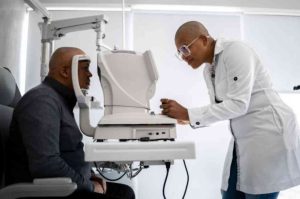
Mobile eye clinics are another innovative approach to expanding access to eye care in Nigeria. These clinics are equipped with essential eye care equipment and staffed by trained professionals who travel to underserved areas.
Impact:
- Enhanced Outreach: Mobile clinics reach communities that otherwise have limited or no access to eye care services.
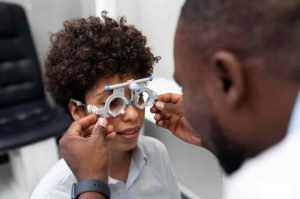
- Comprehensive Services: They provide a range of services, including eye examinations, refraction, dispensing of glasses, and treatment of common eye conditions.
- Awareness and Education: Mobile eye clinics also play a crucial role in raising awareness about eye health and educating communities about preventive measures.
Case Study:
The Nigerian Optometric Association (NOA) has deployed mobile eye clinics across various states, conducting eye screenings and providing glasses to those in need. This initiative has reached thousands of individuals, significantly improving eye health outcomes in remote areas.

Use of Artificial Intelligence in Ophthalmology
Artificial Intelligence (AI) is revolutionizing the field of ophthalmology globally, and Nigeria is no exception. AI-powered tools are being utilized for diagnosing and managing eye diseases with high accuracy and efficiency.
Impact:
- Improved Diagnosis: AI algorithms analyze medical images to detect conditions such as diabetic retinopathy, glaucoma, and age-related macular degeneration at early stages.
- Efficiency: AI reduces the time required for diagnosis and enhances the accuracy of detecting subtle changes in the eye.
- Resource Optimization: It helps optimize the use of limited human resources by assisting ophthalmologists in decision-making processes.
Case Study:
The use of AI in the Lagos University Teaching Hospital (LUTH) has demonstrated significant improvements in diagnosing diabetic retinopathy. AI tools analyze retinal images and provide accurate diagnoses, enabling timely intervention and reducing the risk of blindness.

Advanced Surgical Techniques: Minimally Invasive Surgeries
Advancements in surgical techniques are transforming eye care in Nigeria. Minimally invasive surgeries, such as phacoemulsification for cataract removal and minimally invasive glaucoma surgery (MIGS), are becoming more prevalent.
Impact:
- Faster Recovery: Minimally invasive surgeries result in faster recovery times and fewer complications for patients.
- Improved Outcomes: These techniques enhance surgical outcomes, improving patients’ quality of life.
- Accessibility: With increasing availability of these advanced techniques, more patients can benefit from high-quality surgical care.
Case Study:
The Eye Foundation Hospital in Lagos has been at the forefront of adopting advanced surgical techniques. Their use of phacoemulsification for cataract surgeries has significantly reduced the recovery time for patients and improved visual outcomes.

Digital Health Records and E-Health Platforms
The adoption of digital health records and e-health platforms is transforming the management of patient information and streamlining eye care services in Nigeria.
Impact:
- Efficient Data Management: Digital health records ensure efficient storage and retrieval of patient data, reducing administrative burdens and enhancing patient care.
- Continuity of Care: E-health platforms facilitate seamless communication between healthcare providers, ensuring continuity of care for patients with chronic eye conditions.
- Patient Empowerment: These platforms empower patients to access their health records, schedule appointments, and receive reminders for follow-up visits.
Case Study:
The National Eye Centre in Kaduna has implemented an e-health platform that integrates patient records, appointment scheduling, and teleconsultation services. This system has improved patient management and enhanced the overall efficiency of eye care services.
Vision Centers and Community Eye Health Programs
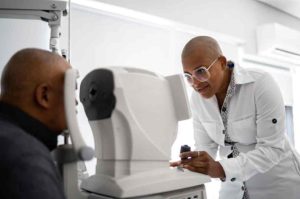
Vision centers and community eye health programs are playing a crucial role in improving eye care accessibility and outcomes in Nigeria. These centers provide primary eye care services and refer patients to specialized care when needed.
Impact:
- Community Engagement: Vision centers engage local communities, raising awareness about eye health and encouraging preventive measures.
- Early Detection: By providing regular eye screenings, these centers facilitate early detection and treatment of eye conditions.
- Referral Systems: They establish effective referral systems to tertiary eye care centers, ensuring patients receive the necessary specialized care.
Case Study:
The Brien Holden Vision Institute has established vision centers across Nigeria, providing comprehensive eye care services to underserved communities. These centers have conducted thousands of eye examinations and provided corrective glasses to improve vision.
Training and Capacity Building for Eye Care Professionals
Investing in the training and capacity building of eye care professionals is essential for sustaining advancements in eye care technology in Nigeria.
Impact:
- Skilled Workforce: Training programs ensure a skilled workforce capable of utilizing advanced technologies and providing high-quality eye care.
- Knowledge Transfer: Capacity building initiatives facilitate the transfer of knowledge and skills from international experts to local professionals.
- Sustainability: Continuous professional development ensures the sustainability of eye care advancements and the delivery of up-to-date services.
Case Study:
The International Centre for Eye Health (ICEH) collaborates with Nigerian institutions to provide training programs for ophthalmologists, optometrists, and other eye care professionals. These programs focus on advanced diagnostic and surgical techniques, enhancing the overall quality of eye care in the country.

Public-Private Partnerships in Eye Care
Public-private partnerships (PPPs) are becoming increasingly important in addressing eye care challenges in Nigeria. These collaborations leverage the strengths of both sectors to improve access to and the quality of eye care services.
Impact:
- Resource Mobilization: PPPs mobilize resources from both the public and private sectors, enhancing the availability of eye care services.
- Innovation: Private sector involvement brings innovation and efficiency to eye care delivery.
- Scalability: PPPs facilitate the scaling up of successful eye care initiatives, reaching a larger population.
Case Study:
The Vision 2020: The Right to Sight initiative in Nigeria is a notable example of a successful PPP. This program, involving the government, NGOs, and private sector partners, aims to eliminate avoidable blindness by providing comprehensive eye care services and promoting awareness about eye health.
Future Prospects: Emerging Trends in Eye Care Technology
Gene Therapy:
Gene therapy holds promise for treating inherited retinal diseases, which are significant causes of blindness. Research in this field is ongoing, with potential applications in Nigeria.
Smart Contact Lenses:
Smart contact lenses equipped with sensors for monitoring intraocular pressure and glucose levels are being developed. These innovations could revolutionize the management of glaucoma and diabetic eye disease in Nigeria.
Augmented Reality (AR) and Virtual Reality (VR):
AR and VR technologies are being explored for training eye care professionals and enhancing surgical precision. These tools offer immersive learning experiences and improve the accuracy of surgical procedures.
Bioprinting:
Bioprinting technology, which involves creating tissues and organs using 3D printing techniques, has potential applications in corneal transplantation. Research in this field could address the shortage of donor corneas in Nigeria.

Conclusion
The landscape of eye care in Nigeria is undergoing a significant transformation, driven by technological advancements and innovative approaches. Teleophthalmology, mobile eye clinics, AI in ophthalmology, advanced surgical techniques, digital health records, vision centers, and public-private partnerships are among the key trends reshaping eye care in the country. These breakthroughs are enhancing access to quality eye care, improving patient outcomes, and fostering a culture of preventive eye health.
As Nigeria continues to embrace these advancements, the future of eye care looks promising. Emerging technologies such as gene therapy, smart contact lenses, AR/VR, and bioprinting hold the potential to further revolutionize eye care, addressing challenges and meeting the growing demand for services. By investing in training, capacity building, and collaborative efforts, Nigeria can sustain and build upon these advancements, ensuring that quality eye care is accessible to all, regardless of geographic or socio-economic barriers.