The Connection Between Autoimmune Diseases and Vision Loss in Nigeria

Autoimmune diseases are disorders in which the immune system attacks the body’s tissues, causing inflammation and damage. Some of the most common autoimmune diseases include rheumatoid arthritis, lupus, Sjogren syndrome, and sarcoidosis. These diseases can affect various organs and systems, including the eyes. Ocular manifestations of autoimmune diseases can range from mild symptoms such as dry eyes and conjunctivitis to severe complications such as optic neuritis, uveitis, and retinal vasculitis, which can lead to vision loss or blindness.

In Nigeria, the prevalence and impact of autoimmune diseases and their ocular complications are not well documented. However, some studies have reported that autoimmune diseases account for 5.6% of all cases of uveitis, and 9.4% of all cases of optic neuropathy in Nigerian patients.  Moreover, autoimmune diseases are more common in women than in men and tend to affect people’s reproductive age, posing significant challenges to their quality of life and socioeconomic status.  Therefore, there is a need for more awareness, diagnosis, and management of autoimmune diseases and their ocular manifestations in Nigeria, as well as more research on the epidemiology, risk factors, and outcomes of these conditions.
Understanding Autoimmune Diseases and Their Impact on Vision

Autoimmune diseases occur when the immune system mistakenly attacks healthy cells and tissues in the body.

The eyes are a common target for autoimmune diseases, leading to various vision problems.

Autoimmune diseases can affect different parts of the eye, including the cornea, retina, and optic nerve.

Vision loss in autoimmune diseases can range from mild to severe, depending on the specific condition and its progression.

Common Autoimmune Diseases Leading to Vision Loss

Some common autoimmune diseases that can lead to vision loss include rheumatoid arthritis, lupus, multiple sclerosis, and uveitis.

These diseases can cause inflammation and damage to the eye structures, resulting in vision problems.

Each autoimmune disease uniquely affects the eye, leading to specific symptoms and complications.

Early detection and treatment are vital in preventing permanent vision loss.

The Prevalence of Vision Loss in Nigeria Due to Autoimmune Diseases

In Nigeria, autoimmune diseases contribute significantly to vision loss and blindness. The exact prevalence of autoimmune-induced vision loss in Nigeria is unknown, but it is believed to be substantial. Limited resources and access to healthcare services make it challenging for individuals with autoimmune diseases to receive timely and appropriate eye care. There is a need for increased awareness, screening programs, and specialized services for managing autoimmune-related vision problems in Nigeria.

Recognizing Early Signs of Vision Loss in Autoimmune Diseases

Early detection of vision loss in autoimmune diseases is crucial for preventing further damage and preserving visual function. Here are some common early signs to watch out for:

  • Blurred vision: Objects may appear fuzzy or out of focus.
  • Eye pain: Discomfort or aching in or around the eye.
  • Redness: The eyes may appear bloodshot or irritated.
  • Sensitivity to light: Bright lights may cause discomfort or difficulty seeing.
  • Difficulty seeing at night: Decreased ability to see in low-light conditions.

It is important to remember that these symptoms may vary depending on the specific autoimmune disease. If you experience any changes in your vision, it is essential to report them promptly to your healthcare provider. Regular eye exams can help catch problems early and allow for timely intervention and treatment.

The Connection Between Autoimmune Diseases and Vision Loss in Nigeria

Diagnosing and Managing Autoimmune-Related Vision Problems

Diagnosing autoimmune-related vision problems involves a comprehensive eye examination, medical history review, and specialized tests. An ophthalmologist will carefully assess the individual’s symptoms, conduct a thorough examination of the eye structures, and review their medical history for any autoimmune conditions.

Specialized tests may include:

  • Visual acuity test: Measures how well an individual can see at various distances
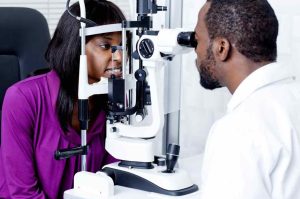
  • Slit-lamp examination: Allows the ophthalmologist to examine the structures at the front of the eye, such as the cornea and iris
  • Fundus examination: Provides a detailed view of the back of the eye, including the retina and optic nerve
  • Optical coherence tomography (OCT): Produces cross-sectional images of the retina to detect any abnormalities
  • Fluorescein angiography: Involves injecting a dye into the arm to obtain high-quality images of the blood vessels in the retina

Once a diagnosis is made, the treatment for autoimmune-related vision problems aims to control inflammation, preserve visual function, and manage the underlying autoimmune disease. This usually involves a combination of medications and careful monitoring.

Immunosuppressive medications, such as corticosteroids or immunomodulatory drugs, may be prescribed to reduce autoimmune activity and prevent further damage to the eyes. These medications work by suppressing the immune system to reduce inflammation and target the autoimmune response.

In some cases, corticosteroid eye drops or ointments may be used topically to target inflammation directly in the eye. Additionally, biologic therapies, which are genetically engineered proteins, can be used to target specific molecules involved in the autoimmune response.

Regular follow-up visits with an ophthalmologist are essential to monitor the progress of the condition and adjust the treatment plan, if necessary. These visits also allow for the detection of any potential complications or side effects from the medications being used.

Effective Treatments for Autoimmune-Induced Vision Loss

The treatment options for autoimmune-induced vision loss depend on the specific condition and its severity. Medications, such as immunosuppressants, corticosteroids, and biologics, may be prescribed to manage autoimmune activity and minimize eye damage. Surgical interventions, such as corneal transplants or retinal surgeries, may be necessary in advanced cases. Vision rehabilitation programs can help individuals adapt to any remaining vision loss and enhance their quality of life.
The Connection Between Autoimmune Diseases and Vision Loss in Nigeria

Preventing Vision Loss Caused by Autoimmune Diseases

Preventing vision loss caused by autoimmune diseases involves early detection, timely treatment, and proactive management of the underlying autoimmune condition.

Regular eye exams, even in the absence of symptoms, can help identify any early signs of eye problems and initiate appropriate interventions.

Maintaining a healthy lifestyle, including a balanced diet and regular exercise, may also support overall eye health and minimize the risk of vision loss.

Education and awareness programs can empower individuals with autoimmune diseases to be proactive in protecting their eyesight and seeking necessary care.

The Connection Between Autoimmune Diseases and Vision Loss in Nigeria

Improving Awareness and Support for Individuals with Autoimmune-Related Vision Loss

There is a need for increased awareness about the connection between autoimmune diseases and vision loss, especially in Nigeria. Educational campaigns, community outreach programs, and collaborations between healthcare professionals and advocacy groups can help raise awareness and support for individuals with autoimmune-related vision loss.

Access to affordable and specialized eye care services should be prioritized to ensure timely diagnosis, treatment, and management of vision problems. Support networks and resources for individuals with autoimmune-related vision loss can provide valuable emotional support, information, and guidance throughout their journey.

Conclusion

In conclusion, autoimmune diseases can have a significant impact on vision, leading to various vision problems and potential vision loss. In Nigeria, where resources for healthcare may be limited, it is crucial to increase awareness and support for individuals with autoimmune-related vision loss. Early detection, timely treatment, and proactive management of the underlying autoimmune condition are essential in preventing further damage and preserving visual function. Regular eye exams, maintaining a healthy lifestyle, and seeking necessary care can help individuals protect their eyesight. By improving awareness, access to specialized eye care services, and providing support networks, we can enhance the quality of life for those affected by autoimmune-related vision loss in Nigeria.

 

Read more

The Role of Vision Therapy in Addressing Binocular Vision Disorders in Nigeria

Vision therapy is a form of non-surgical treatment that aims to improve the function and coordination of the eyes, especially in cases of binocular vision disorders. Binocular vision disorders are conditions that affect the ability of the eyes to work together as a team, resulting in symptoms such as double vision, eye strain, headaches, blurred vision, and reduced depth perception. In Nigeria, binocular vision disorders are prevalent among school-aged children and adults, affecting their academic performance, occupational productivity, and quality of life. However, the awareness and availability of vision therapy as a viable option for managing these disorders are limited in the country. This paper explores the role of vision therapy in addressing binocular vision disorders in Nigeria, by reviewing the current literature, highlighting the challenges and opportunities, and providing recommendations for future research and practice.

Choosing the right pediatric eye care specialist in Nigeria is crucial for your child's eye health. Learn important factors to consider when making this decision and find the best specialist for your child's needs with our comprehensive guide.

Understanding Binocular Vision Disorders

Binocular vision disorders refer to a condition where the eyes are unable to coordinate and work together effectively.

These disorders can lead to symptoms such as blurred or double vision, eye strain, headaches, and difficulty focusing.

Understanding the causes and effects of binocular vision disorders is crucial in addressing the issue.

In Nigeria, there is a growing awareness of these disorders, and vision therapy plays a vital role in their treatment.

Common Symptoms of Binocular Vision Disorders

Some of the common symptoms of binocular vision disorders include:

  • Blurred or double vision
  • Eyestrain
  • Headaches
  • Difficulty focusing
  • Fatigue
  • Poor depth perception

Recognizing these symptoms is important in seeking early diagnosis and treatment. Through vision therapy, these symptoms can be alleviated, improving overall visual function.

Understanding the cultural and social factors affecting vision care in Nigeria is crucial in addressing the challenges and barriers to access and quality eye health services. Learn more about these factors and their impact on vision care in Nigeria.

Diagnosing Binocular Vision Disorders

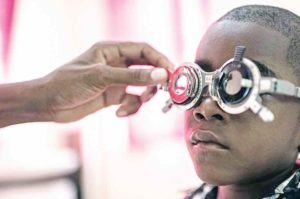
Diagnosing binocular vision disorders involves a comprehensive eye examination. This examination includes assessing visual acuity, eye alignment, and eye movements. Specialized tests may also be conducted to evaluate binocular vision and depth perception. An accurate diagnosis is crucial in determining the most appropriate treatment, such as vision therapy.

The Importance of Vision Therapy

Vision therapy is a non-surgical and non-invasive treatment approach for binocular vision disorders. It aims to improve the coordination and functioning of the eyes through a variety of exercises and techniques.

The importance of vision therapy lies in its ability to address the root causes of binocular vision disorders. By strengthening the visual system, vision therapy can significantly improve visual skills and overall quality of life.

Vision therapy techniques for binocular vision disorders may include eye exercises, prism lenses, and computer-based activities. These techniques are tailored to the individual’s specific needs and can target issues such as eye alignment and coordination.

The duration and frequency of vision therapy sessions may vary depending on the severity of the disorder. Consistency and commitment to the therapy program are key for optimal results.

Vision Therapy Techniques for Binocular Vision Disorders

Vision therapy techniques for binocular vision disorders may include a variety of interventions aimed at improving the coordination and functioning of the eyes.

Some common techniques used in vision therapy for binocular vision disorders include:

  • Eye exercises: These exercises are designed to improve eye muscle control and coordination. They may involve focusing on objects at different distances, tracking moving objects, or performing eye movements in specific patterns.
  • Prism lenses: Prism lenses are specialized lenses that can help correct issues with eye alignment or coordination. They work by redirecting light rays to properly align the images seen by each eye.
  • Computer-based activities: Vision therapy may incorporate computer-based activities and exercises that target specific visual skills. These activities can help improve eye teaming, tracking, and focusing abilities.

The specific techniques used in vision therapy will depend on the individual’s unique needs and the severity of their binocular vision disorder. A certified vision therapy professional will create a tailored program that addresses the specific issues identified during the diagnostic process.

Consistency and commitment to the vision therapy program are crucial for achieving optimal results. Regularly attending therapy sessions and practicing recommended exercises at home can help individuals make significant improvements in their visual skills and overall quality of life.

Explore the significant socio-economic impact of NGOs dedicated to vision care in Nigeria. Learn about the positive changes brought about by these organizations and their efforts to improve eye health and access to vision care services in the country.

Success Stories: Vision Therapy in Nigeria

Vision therapy has shown promising results in addressing binocular vision disorders in Nigeria. Many individuals have experienced improvements in their visual function and quality of life after undergoing vision therapy. These success stories highlight the effectiveness and importance of vision therapy as a treatment option. Through increased awareness and access to vision therapy, more individuals in Nigeria can benefit from its positive outcomes.

Conclusion

In conclusion, vision therapy plays a crucial role in addressing binocular vision disorders in Nigeria. By understanding the causes and effects of these disorders, early diagnosis and treatment can be sought, leading to improved visual function and quality of life. Vision therapy offers a non-surgical and non-invasive approach that targets the root causes of binocular vision disorders through a variety of techniques and exercises. With increased awareness and access to vision therapy, more individuals in Nigeria can benefit from its positive outcomes. It is important for individuals experiencing symptoms of binocular vision disorders to seek professional help and explore the potential benefits of vision therapy.


Read more

Understanding the Cultural and Social Factors Affecting Vision Care in Nigeria

Vision care is an essential aspect of health care that aims to prevent, diagnose, and treat various eye diseases and conditions that can impair vision or cause blindness. However, vision care is not equally accessible or utilized by different segments of the population, especially in developing countries like Nigeria. According to the World Health Organization (WHO), Nigeria has an estimated 4.25 million people who are visually impaired, and 1.13 million who are blind. The main causes of visual impairment and blindness in Nigeria are cataract, glaucoma, refractive errors, trachoma, and onchocerciasis. Many cultural and social factors influence how people perceive, seek, and receive vision care in Nigeria. This article will explore some of these factors and their implications for vision health disparities and interventions.

Understanding the cultural and social factors affecting vision care in Nigeria is crucial for providing effective eye care services. This article explores the social factors that influence vision care in Nigeria and offers insights into addressing them for better eye health outcomes.

One of the challenges that Nigeria faces in addressing these eye health issues is the lack of access to quality and affordable eye care services, especially in rural and remote areas. There is a shortage of trained eye care professionals, such as optometrists and ophthalmologists, as well as inadequate infrastructure and equipment. Moreover, there is a low awareness and demand for eye care among the general population, due to cultural beliefs, stigma, and lack of information.

To overcome these barriers, community engagement is a key strategy that can enhance optometry and vision care outreach in Nigeria. Community engagement involves working with local communities to identify their needs, preferences, and challenges, and to co-create solutions that are appropriate, acceptable, and sustainable. Community engagement can also help to raise awareness and educate people about the importance of eye health, the causes and prevention of eye diseases, and the availability and benefits of eye care services.

Understanding the cultural and social factors affecting vision care in Nigeria is crucial in addressing the challenges and barriers to access and quality eye health services. Learn more about these factors and their impact on vision care in Nigeria.

Culture and beliefs about eye diseases

One of the major factors that affect vision care in Nigeria is the culture and beliefs of the people regarding the causes and treatments of eye diseases. Many Nigerians, especially those living in rural areas, have traditional or religious views about eye diseases that may differ from the biomedical perspective. For example, some people may attribute eye problems to supernatural forces, such as curses, witchcraft, or evil spirits, and seek remedies from traditional healers, herbalists, or faith healers. Others may believe that some eye diseases, such as cataract or glaucoma, are inevitable consequences of aging or fate, and accept them as natural or divine will. These beliefs may prevent people from seeking timely and appropriate vision care from modern health facilities, or make them reluctant to accept certain interventions, such as surgery or glasses.

UNDERSTANDING THE CULTURAL AND SOCIAL FACTORS AFFECTING VISION CARE IN NIGERIA

Gender and vision care

Another factor that influences vision care in Nigeria is gender. Studies have shown that women are more likely to suffer from blindness and visual impairment than men in Nigeria and that they have lower access to and utilization of vision care services. This is partly due to the socio-cultural norms and practices that limit women’s autonomy, mobility, education, and income, and that prioritize men’s health needs over women’s. For instance, women may face barriers such as lack of permission from their husbands or family members, lack of transportation or money, lack of awareness or information, or fear of stigma or discrimination when seeking vision care. Moreover, women may have higher exposure to risk factors for eye diseases, such as indoor air pollution, malnutrition, or infectious diseases, due to their domestic and reproductive roles.

Understanding the cultural and social factors affecting vision care in Nigeria is crucial in addressing the challenges and barriers to access and quality eye health services. Learn more about these factors and their impact on vision care in Nigeria.

Geographical and ecological variations in vision care

A third factor that affects vision care in Nigeria is the geographical and ecological diversity of the country. Nigeria has six geopolitical zones and various ecological regions, such as savanna, forest, and coastal zones that have different climatic, environmental, and socio-economic characteristics. These variations may influence the prevalence and distribution of eye diseases and the availability and accessibility of vision care services in different regions. For example, some regions may have higher rates of eye diseases, such as trachoma, onchocerciasis, or vitamin A deficiency, due to poor sanitation, water scarcity, or vector-borne infections. On the other hand, some regions may have lower coverage and quality of vision care services, due to inadequate infrastructure, human resources, or equipment.

Some of the benefits of community engagement for optometry and vision care outreach in Nigeria are:

– It can increase the coverage and reach of eye care services to underserved populations, by mobilizing community health workers, volunteers, and leaders to identify and refer people with eye problems to nearby facilities or mobile clinics.

– It can improve the quality and effectiveness of eye care services, by ensuring that they are culturally sensitive, patient-centered, and tailored to the local context and needs.

– It can enhance the sustainability and scalability of eye care interventions, by building trust, ownership, and collaboration among the stakeholders, such as the government, NGOs, private sector, and community members.

– It can empower the community members to take charge of their eye health, by increasing their knowledge, skills, and confidence to seek eye care services when needed and to adopt healthy behaviors that prevent eye diseases.

Understanding the cultural and social factors affecting vision care in Nigeria is crucial for providing effective eye care services. This article explores the social factors that influence vision care in Nigeria and offers insights into addressing them for better eye health outcomes.

Conclusion

Vision care is a vital component of health care that can improve the quality of life and well-being of millions of Nigerians who suffer from blindness and visual impairment. However, vision care is not equally available or utilized by all segments of the population, due to various cultural and social factors that shape the perception, demand, and supply of vision care in Nigeria. Therefore, it is important to understand and address these factors to design and implement effective and equitable vision care interventions that are culturally sensitive, gender-responsive, and context-specific.

Read more